
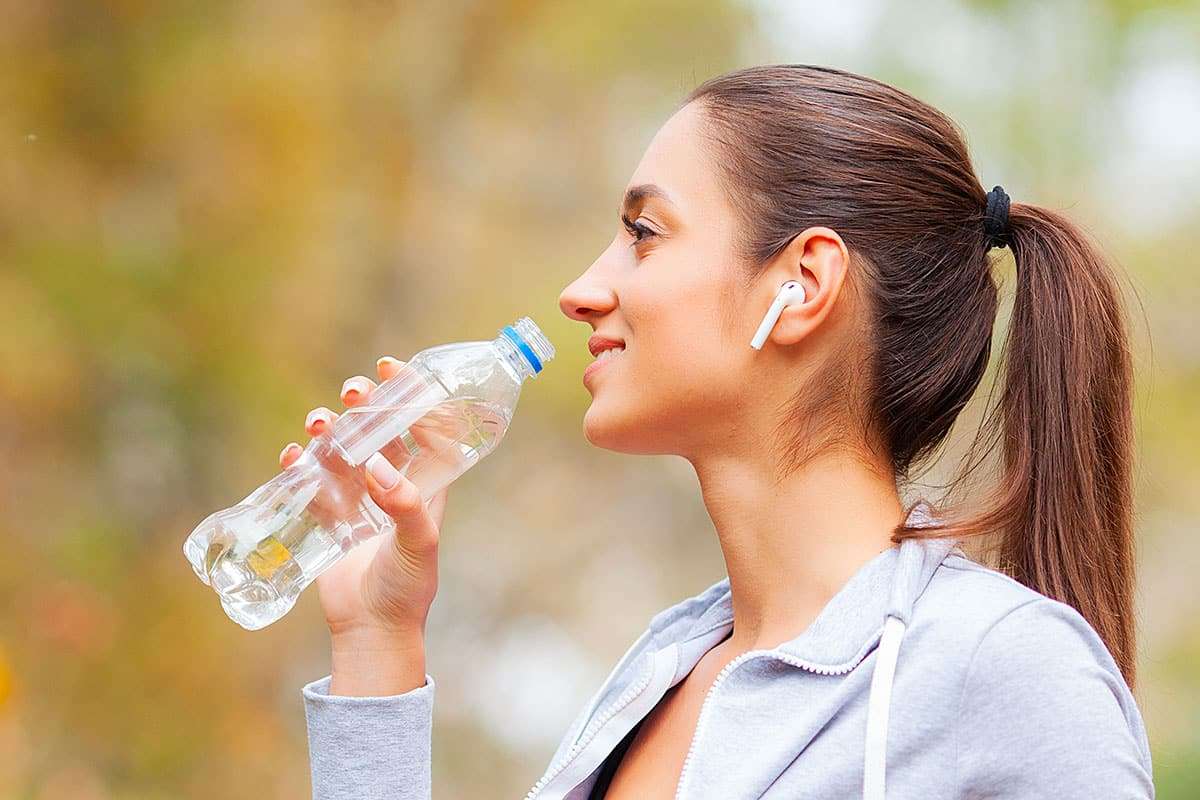
The extensive use of bottled water poses serious challenges for both the environment and human health. While convenient, the drawbacks associated with bottled water far surpass any advantages it may offer. This article highlights why shifting away from bottled water is essential and explores strong reasons to embrace eco-friendlier options.
Environmental destruction: The unseen impact of bottled water
The production and disposal of bottled water have a tremendous environmental impact. Globally, one million plastic bottles are purchased every minute, fueling the plastic pollution crisis. Key facts include:
- Recycling rates for plastic bottles stand at only 9%
- Plastic bottles constitute 12% of total plastic waste
- They are the second largest source of ocean pollution
The creation of plastic bottles also involves significant greenhouse gas emissions, driving climate change further. In fact, bottled water’s environmental footprint is thought to be 3,500 times greater than that of tap water.

This ecological harm mirrors the effects caused by other commonly overlooked products. For example, inhalers, while lifesaving for patients, can be silent killers for the planet. It’s vital to acknowledge how our purchasing choices influence the broader environment.
Examining health risks: Challenging bottled water safety claims
Bottled water is often mistakenly regarded as purer or safer than tap water. However, research from Weill Cornell Medicine in Qatar finds that between 10% and 78% of bottled water samples contain contaminants. Some of these include:
ContaminantPossible Health EffectsMicroplasticsLong-term effects unknownPhthalatesDisruption of hormone systemsBisphenol A (BPA)Hormonal disturbances
These toxins can seep from plastic containers, especially when bottles are exposed to heat or stored over a lengthy period. The health impacts of ongoing exposure remain a concern and are not yet fully explored.
Additionally, studies have detected persistent chemicals (PFAS) in both bottled and tap water in Europe. This finding underscores that bottled water is not guaranteed to be free from harmful substances, challenging common consumer perceptions.
The social and economic drawbacks of bottled water reliance
Dependence on bottled water carries notable social and financial consequences. Around 2 billion people worldwide rely on bottled water out of necessity, especially where safe tap water is unavailable. For those with reliable public water, bottled water consumption often results from convenience or misconceptions shaped by marketing.
This reliance results in:
- Higher personal and household expenditures
- Worsening social disparities
- Reduced investment in improving communal water services
It’s imperative that governments and organizations focus on strengthening water supply infrastructure and advancing public education to encourage sustainable water use. Efforts are especially critical in lower-income nations still facing challenges in clean water access.
Moving forward: Embracing sustainable water habits
To curb bottled water consumption, both individuals and communities must embrace greener behaviors. Practical steps include:
- Using reusable bottles and installing water filters
- Backing efforts to enhance municipal water systems
- Promoting stricter laws around plastic manufacturing and waste management
- Raising awareness about bottled water’s health and environmental risks
By adopting these changes, we can shrink our ecological impact and improve public health. Simple lifestyle adjustments also contribute positively. For example, eating oatmeal daily supports kidney health, illustrating how everyday choices matter.
Moving away from bottled water is essential not only for environmental protection but also for enhancing health, economic well-being, and social fairness. Rethinking our water consumption and championing sustainable alternatives can foster a healthier planet and a stronger society.
- Categories:
- Health

















0 comments
Sign in to Comment