
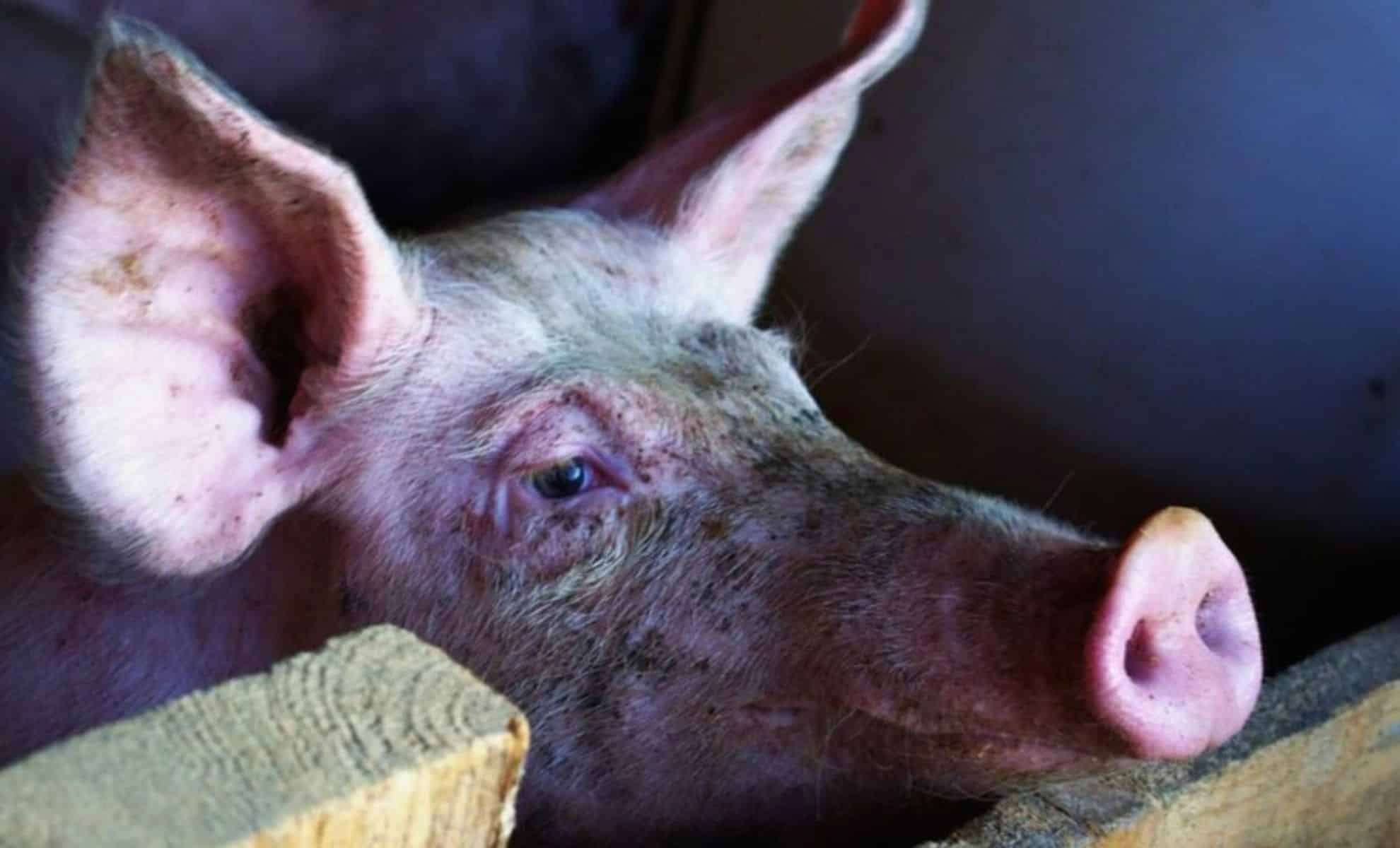
For the first time, a liver from a genetically engineered pig has been transplanted into a human recipient, marking a significant breakthrough in transplant medicine. The organ remained operational for a span of 10 days in a brain-dead patient without triggering immune rejection responses.
Intent and Execution of the Experimental Surgery
A collaborative team from the Fourth Military Medical University in China, led by Kai-Shan Tao, Zhao-Xu Yang, Xuan Zhang, and Hong-Tao Zhang, carried out the procedure. The recipient was a brain-deceased individual whose original liver was maintained in its natural location.
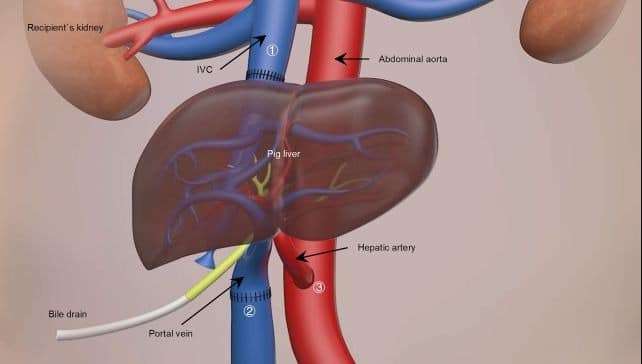
The porcine liver served as an auxiliary graft, implanted in the abdominal cavity and connected to the patient’s bloodstream for direct physiological assessment.

This auxiliary approach was selected to monitor the graft’s functionality closely without impeding the native liver. The main goal was to test the metabolic and immune compatibility of the pig liver in a human clinical setting.
Genetic Engineering to Overcome Immune Barriers
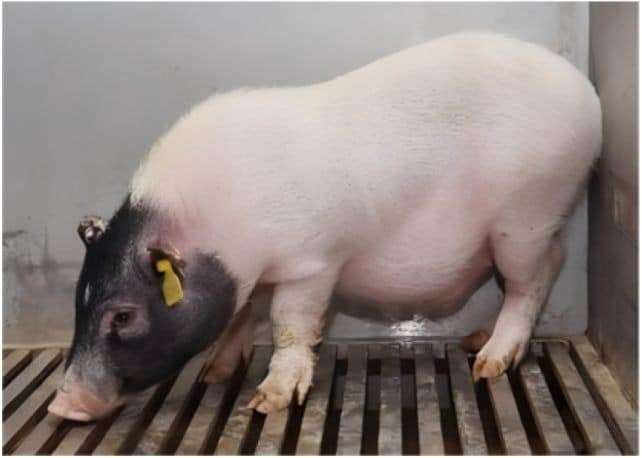
The donor pig underwent six precise genetic alterations aimed at minimizing rejection. This included excising genes that cause hyperacute immune responses and incorporating human genes that assist in reducing immune incompatibility.
These genetic changes targeted the suppression of xenoantigens, antigenic substances from other species, and aimed to foster immune tolerance in the human immune system. Alongside this, an immunosuppressive drug protocol was administered to impede the activation of T and B lymphocytes, essential drivers of organ rejection.
Maintained Liver Function Throughout Monitoring
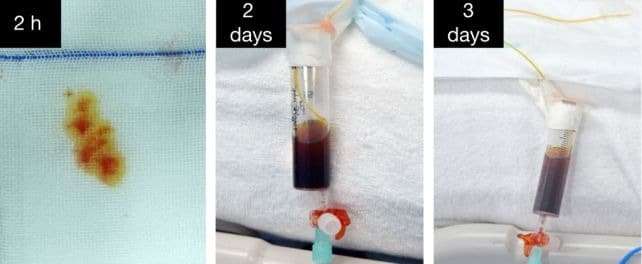
During the entire 10-day observation period, the pig liver exhibited continuous functionality. Confirmatory signs such as bile excretion and production of porcine albumin illustrated sustained core hepatic activities.
Stable blood flow and adequate liver perfusion velocity suggested successful vascular integration of the graft. The procedure was ended on day ten at the family’s request rather than due to graft failure or adverse reactions.
Because the patient’s own liver remained active during this time, it is not yet clear whether the porcine liver could sustain life independently in cases of total liver failure.
Nevertheless, the lack of immune rejection alongside steady metabolic function indicates this method could act as a viable temporary option for patients on liver transplant waiting lists.
Expanding the Horizons of Xenotransplant Medicine
This achievement extends previous progress in xenotransplantation, including a 2023 case where a genetically modified pig liver was connected externally to a human for 72 hours, and successful pig kidney transplants into brain-dead patients.
The liver’s complex metabolic and regulatory demands had made successful xenotransplantation more difficult than kidneys. This study evidences that through advanced genetic alterations and immune control, the pig liver's intricate functions can be maintained within a human host.
Expert Opinions and Future Prospects
Leading specialists have praised these results. Rafael Matesanz, a nephrologist with Spain’s National Transplant Organization, noted the trial “paves a new pathway” for temporarily substituting failing livers with animal organs until human options become accessible.
Iván Fernández Vega, a neuropathologist at the University of Oviedo, highlighted the study’s detailed clinical, immunological, and vascular evaluations, marking it as a benchmark in xenotransplant research.
Despite these advances, the limited testing on one patient and focus on specific functions such as bile and albumin production underline the need for more extensive trials to assess full clinical utility.
Advancing Toward Practical Use of Animal Organs in Medicine
Published in Nature, this landmark research establishes a foundation for the use of genetically engineered animal organs in human medicine.
The findings present the potential for modified pig organs to serve as temporary or bridging supports for critically ill patients awaiting human transplants.
Though further studies are necessary to confirm long-term safety, operational scalability, and ethical practices, this development validates xenotransplantation as a promising frontier in organ transplantation.
- Categories:
- Science











0 comments
Sign in to Comment