
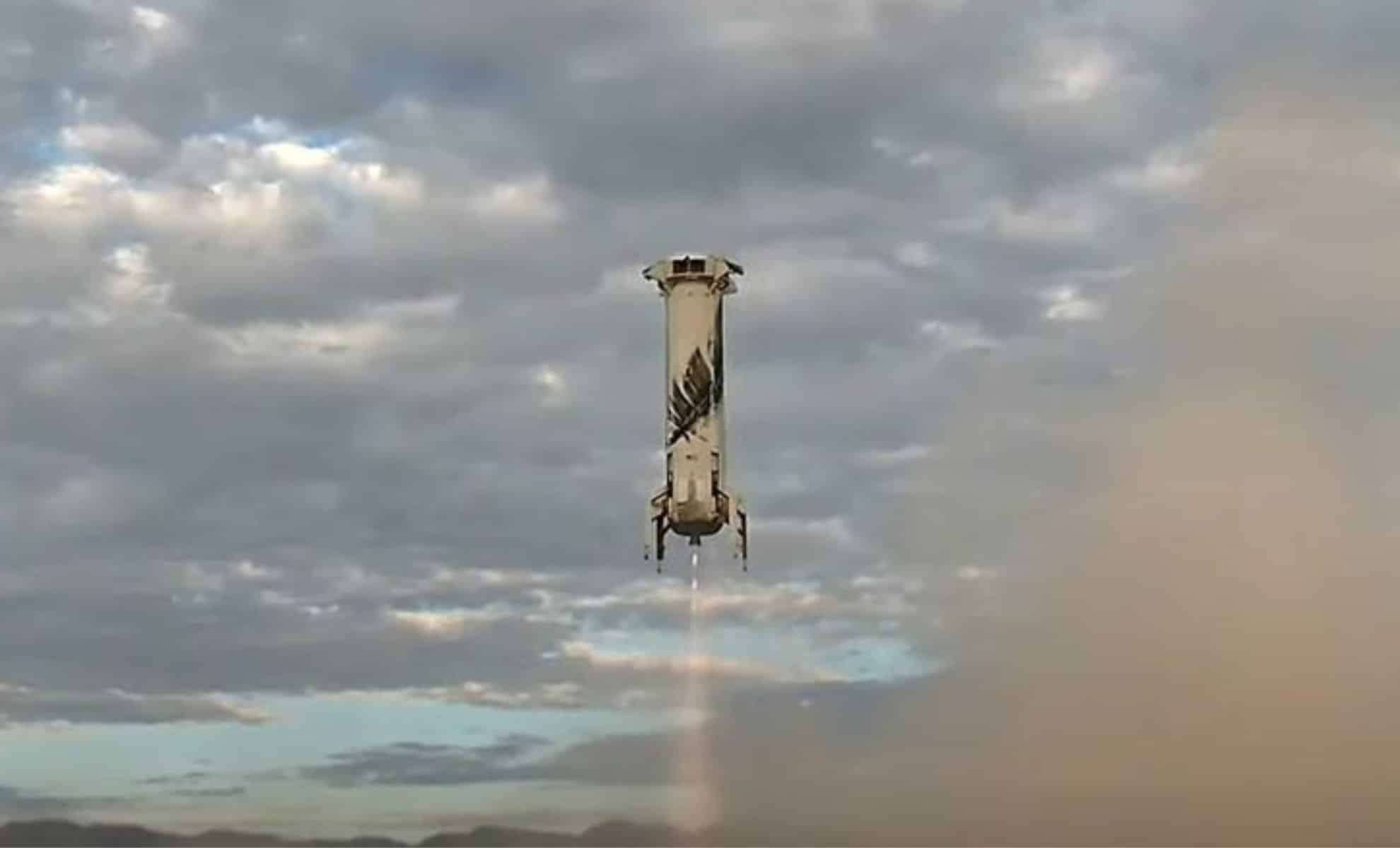
On August 29, 2024, Blue Origin marked its eighth crewed space mission by launching six individuals on a suborbital voyage aboard their New Shepard vehicle.
The flight, identified as NS-26, lifted off at 9:07 a.m. EDT from Blue Origin’s West Texas facility. Among the diverse crew were a researcher supported by NASA and the youngest woman ever to reach space. The capsule soared to nearly 65 miles (around 104 kilometers), granting travelers moments of weightlessness before returning safely to Earth.
Mission Overview for NS-26
The six passengers consisted of Nicolina Elrick, entrepreneur and philanthropist; Rob Ferl, University of Florida professor and NASA-backed investigator; Eugene Grin, adventurer and business leader; Eiman Jahangir, cardiologist from Vanderbilt University; Ephraim Rabin, American-Israeli entrepreneur; and Karsen Kitchen, a senior at the University of North Carolina who made history as the youngest woman in space at 21 years old.

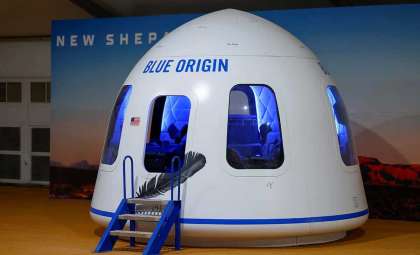
The New Shepard capsule, fueled by a single-stage hydrogen rocket, blasted vertically through cloud cover, reaching speeds up to 2,238 mph. It ascended to about 345,000 feet (65 miles), allowing occupants approximately three minutes of microgravity. During this peak altitude, passengers witnessed breathtaking views of Earth and the stark edge of space.
After reaching its apex, the reusable booster returned smoothly to a touchdown pad at the Texas launch site. Meanwhile, the crew capsule deployed three large parachutes to slow its descent and touched down gently at 9:17 a.m., concluding the entire mission in just over ten minutes.
Post-Flight Reactions from the Passengers
The crew was visibly joyful upon landing, warmly greeting loved ones with smiles and excitement. Rob Ferl, who performed experiments on plant growth in microgravity during the mission, called the experience stunning: “The ascent was incredibly smooth; I was amazed by the ride up. But the view from space — the darkness and the Earth below — is indescribable. The science objectives were successful, and everything functioned perfectly. It was an unforgettable experience.”
Karsen Kitchen, celebrating becoming the youngest woman to cross the Kármán line, exclaimed, “I went to space!” while pumping her fists joyfully. Her father, Jim Kitchen, who traveled aboard New Shepard in 2022, shared the pride of this milestone: “Since she was little, she always dreamed of becoming an astronaut. It’s truly emotional to see that dream realized. It’s incredible to witness a dream become reality.”
Impact of Blue Origin’s Suborbital Programs
The NS-26 mission represents an important achievement for Blue Origin’s expanding human spaceflight and tourism ambitions. Ariane Cornell, the company's launch commentator, lauded the mission, saying, “Up and back — this was one of the cleanest flights from this vehicle I've witnessed. Behind every rocket flight is an exceptional team effort.”
This flight also showcases greater opportunities for space access as Blue Origin advances its New Shepard spacecraft for tourism, human research, and autonomous experiments. While Blue Origin has not revealed ticket pricing, its competitor Virgin Galactic charges around $450,000 per passenger.
Following the failed robotic research flight in September 2022, NS-26 is the third successful New Shepard launch, emphasizing the dependability of Blue Origin’s reusable rocket system. Looking ahead, the company is preparing the larger New Glenn orbital rocket, aimed at satellite deployment and scheduled for a maiden flight in October 2024.
As private space travel progresses, missions like NS-26 bring humanity one step closer to making space journeys common and accessible to a broad public.








0 comments
Sign in to Comment