
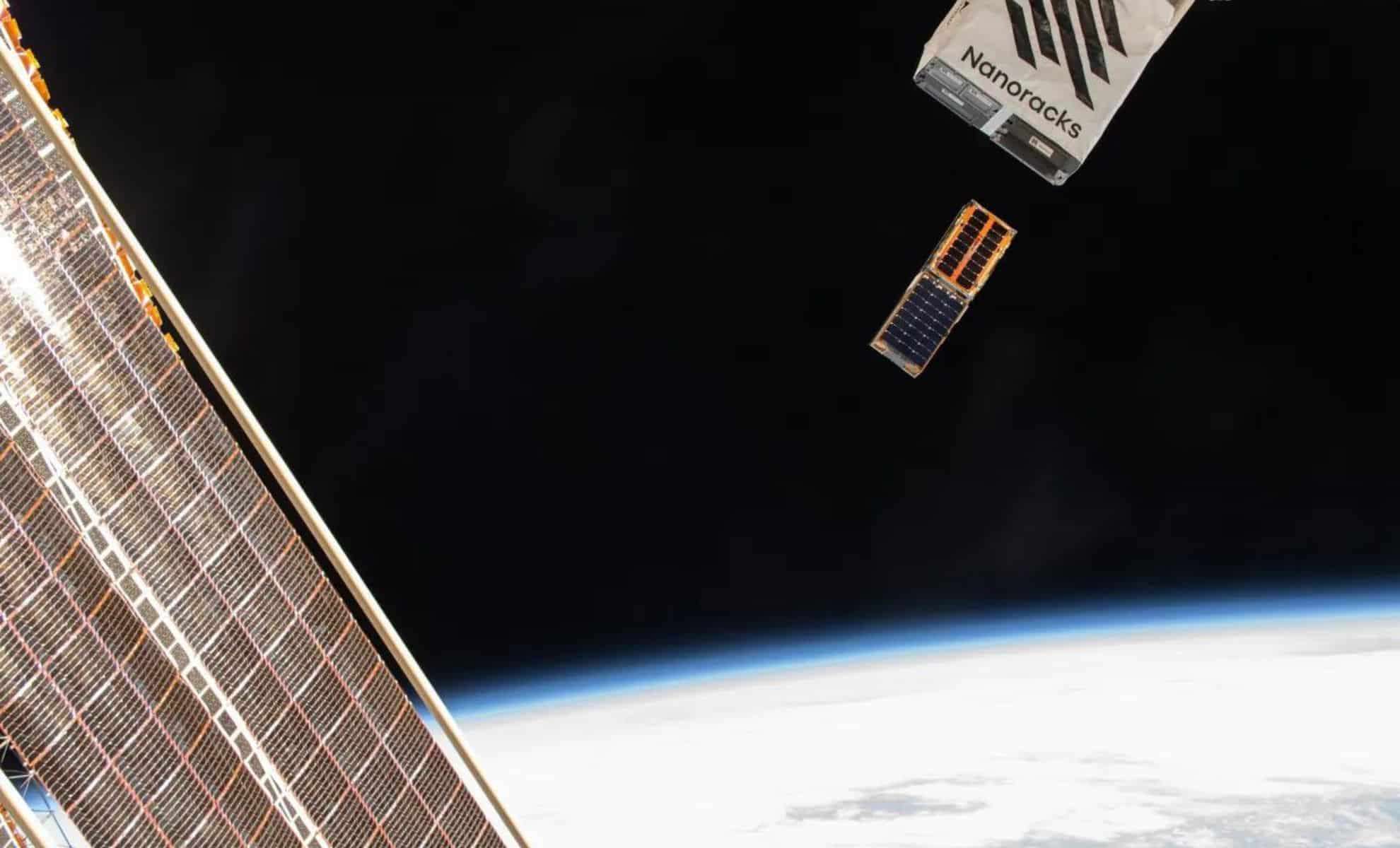
The compact BurstCube satellite from NASA has made its first successful detection of a gamma-ray burst, one of the universe's most energetic and fleeting events.
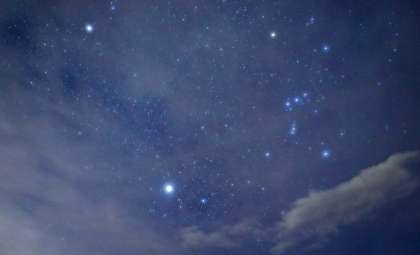
Launched from the International Space Station (ISS) in April 2024, BurstCube identified the gamma-ray event dubbed GRB 240629A on June 29, 2024. This burst originated in the southern constellation Microscopium and was publicly reported on August 29, 2024, via NASA’s General Coordinates Network (GCN). This breakthrough validates the capability of small CubeSats to make significant contributions to cutting-edge astrophysics.
Purpose of the BurstCube Mission: Tracking Gamma-Ray Bursts
NASA's BurstCube satellite is tasked with detecting, pinpointing, and analyzing short-lived gamma-ray bursts — intense flashes of high-energy radiation typically produced by collisions between ultra-dense objects like neutron stars. These cosmic mergers also synthesize heavy elements such as gold and iodine, crucial to earthly life.

On June 29, 2024, BurstCube captured the important event GRB 240629A, an observation highlighting the extreme nature of gamma-ray bursts. “We’re thrilled to gather scientific data,” said Sean Semper, lead engineer for BurstCube at NASA’s Goddard Space Flight Center in Maryland. “This milestone celebrates the dedication of our team, including many early-career engineers and scientists.” The burst detection confirms BurstCube’s effectiveness in orbit, providing insights into the universe’s most powerful and enigmatic phenomena.
Harnessing CubeSat Technology with BurstCube
The BurstCube initiative is part of NASA’s strategic use of CubeSats, which are affordable, small-scale satellites that perform vital scientific functions at a fraction of traditional costs and sizes. Deployed from the ISS on April 18, 2024 after a March 21 launch, BurstCube’s compact design employs advanced instruments capable of detecting gamma-ray bursts despite its diminutive stature.
A notable feature of BurstCube is its integration with NASA’s Tracking and Data Relay Satellite (TDRS) system, allowing near-instant communication and facilitating rapid follow-up studies by other telescopes. “BurstCube is the first CubeSat utilizing NASA’s TDRS infrastructure,” Semper noted. This advanced networking enables swift data transfer, empowering observatories to promptly respond and collect further observations.
Alongside TDRS, BurstCube uses the Direct to Earth system to send data back through NASA’s Near Space Network, ensuring scientists receive urgent information without delay. Rapid data delivery is vital to study gamma-ray bursts, as their transient nature demands immediate attention before the signals fade away.
Obstacles Encountered by BurstCube in Space
Despite its accomplishments, the BurstCube mission has confronted technical hurdles. Soon after deployment, one of the two solar panels failed to fully deploy, impacting the satellite’s ability to orient itself efficiently and to minimize atmospheric drag, which is important for maintaining orbit stability.
This issue means BurstCube is now expected to re-enter Earth’s atmosphere in September 2024, considerably earlier than its planned 12–18 month mission duration. Nevertheless, the team has worked tirelessly to extract as much scientific value as possible during this reduced operational window. Jeremy Perkins, principal investigator at NASA’s Goddard Space Flight Center, commended the team’s dedication: “I’m proud of how we adapted and continue to maximize our time in orbit.”
Despite the shortened timeline, BurstCube has proven that small satellites are capable of conducting high-impact space science even amid technical difficulties.
The Importance of Observing Gamma-Ray Bursts
The successful detection of GRB 240629A by BurstCube advances our understanding of gamma-ray bursts and their progenitors. These energetic phenomena offer astronomers valuable clues about stellar life cycles and extreme cosmic environments. Tracking gamma-ray bursts helps scientists investigate the aftermath of colossal stellar collisions and the conditions leading to the creation of heavy elements.
BurstCube’s observations also act as indicators for significant cosmic occurrences like the merging of neutron stars or the birth of black holes. By quickly relaying burst data via TDRS, BurstCube enables astronomers across the globe to rapidly gather supplementary information on these fleeting phenomena.
Furthermore, small-scale missions like BurstCube provide “important learning opportunities for the up-and-coming members of the astrophysics community,” noted Perkins. These missions offer early-career scientists and engineers invaluable experience, nurturing the future of space technology development and research techniques.
Prospects for Future CubeSat Endeavors
Though BurstCube’s mission may conclude sooner than intended, its achievements underscore the expanding potential of CubeSat platforms for space exploration. The satellite’s success in detecting gamma-ray bursts, facilitating coordination of follow-up observations, and contributing to major scientific breakthroughs sets a precedent for upcoming missions.
As NASA continues innovating with small satellite technology, spacecraft like BurstCube will remain vital in enhancing our cosmic knowledge. These cost-effective, compact tools unlock new possibilities for space research, enabling impactful science within constrained budgets. The insights gained from BurstCube will undoubtedly shape and inspire future CubeSat projects, affirming their importance in astrophysical exploration for years ahead.
Serenely put by Sean Semper, “Small missions like BurstCube not only provide an opportunity to do great science and test new technologies… but also important learning opportunities for the up-and-coming members of the astrophysics community.”





0 comments
Sign in to Comment