
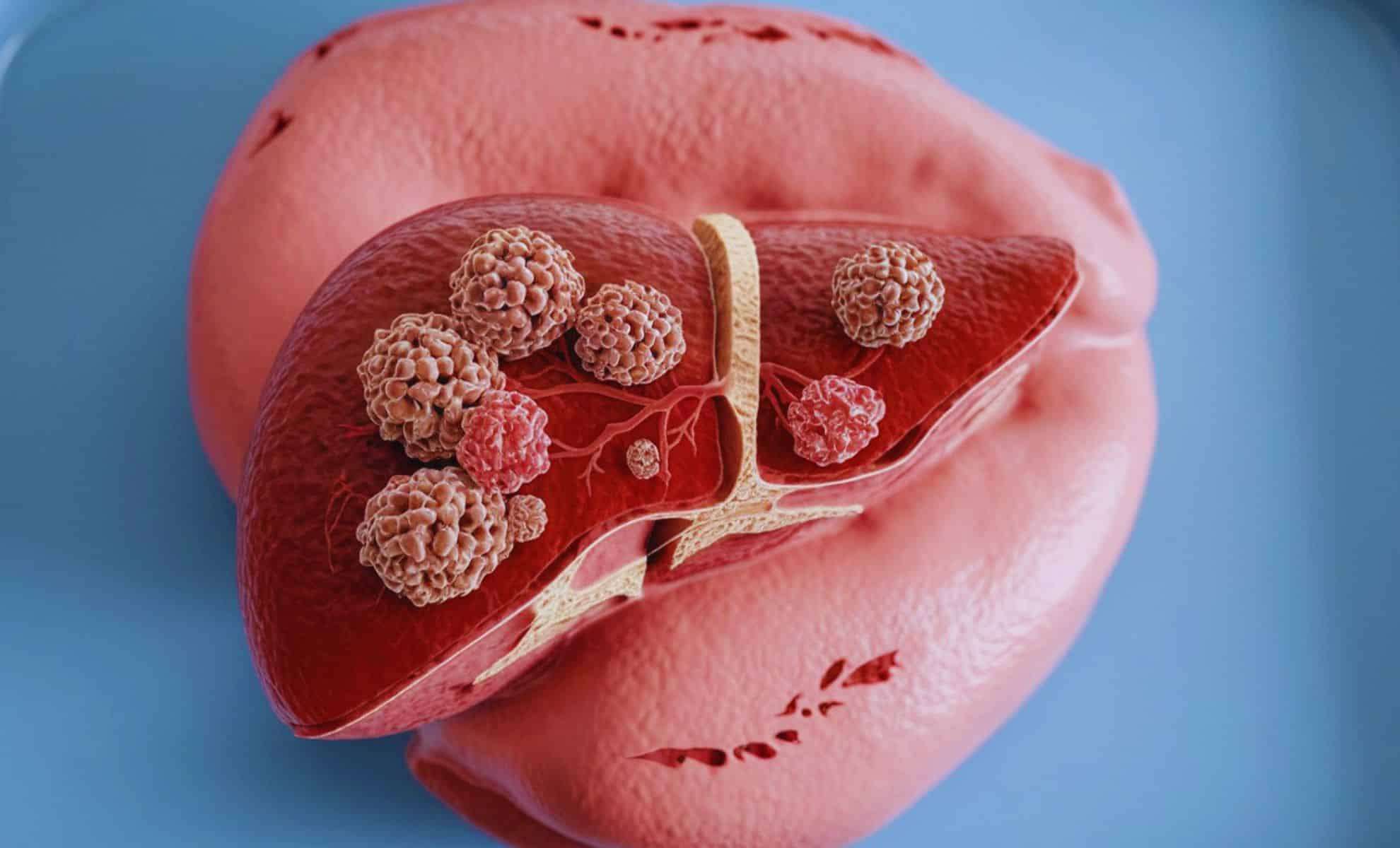
Non-alcoholic fatty liver disease (NAFLD) impacts close to 30% of people globally and has become an urgent health challenge. This condition arises when fat builds up excessively in liver cells, hindering liver function. While lifestyle modifications remain key to management, recent findings suggest that resistant starch, a unique form of dietary fiber, can dramatically reduce liver fat levels. This breakthrough, reported in Cell Metabolism, involved a joint effort by researchers from China, Germany, and Finland.
Understanding the Liver’s Vital Role and the Impact of Fatty Liver Disease
The liver plays a crucial role in processing nutrients, filtering toxins, and storing energy. In modern societies, diets high in calories combined with inactive lifestyles often cause excess fat accumulation in the liver, leading to NAFLD. Unlike fatty liver caused by alcohol intake, NAFLD primarily results from dietary habits, inactivity, and metabolic imbalances.
The Risks Linked to Fatty Liver Disease
NAFLD usually progresses slowly and can remain unnoticed until it worsens. Initially characterized by fat deposits in liver cells, untreated NAFLD may escalate to non-alcoholic steatohepatitis (NASH), marked by inflammation and liver damage. If left unmanaged, NASH can develop into serious complications such as fibrosis, cirrhosis, or liver cancer.

Exploring the Gut-Liver Connection in Fatty Liver Disease
Recent studies have uncovered the influence of the gut microbiome on liver health via the gut-liver axis. Disruptions in gut bacterial populations can exacerbate fat build-up in the liver during NAFLD. Specific microbes like Bacteroides stercoris produce substances that affect fat metabolism, making gut bacteria an appealing target for treatment.
The research team from Sun Yat-sen University (China), University of Helsinki (Finland), and the University of Leipzig (Germany) investigated if enhancing the gut microbiome with resistant starch might effectively reduce NAFLD symptoms.
The Investigation: Resistant Starch’s Effect on Liver Fat
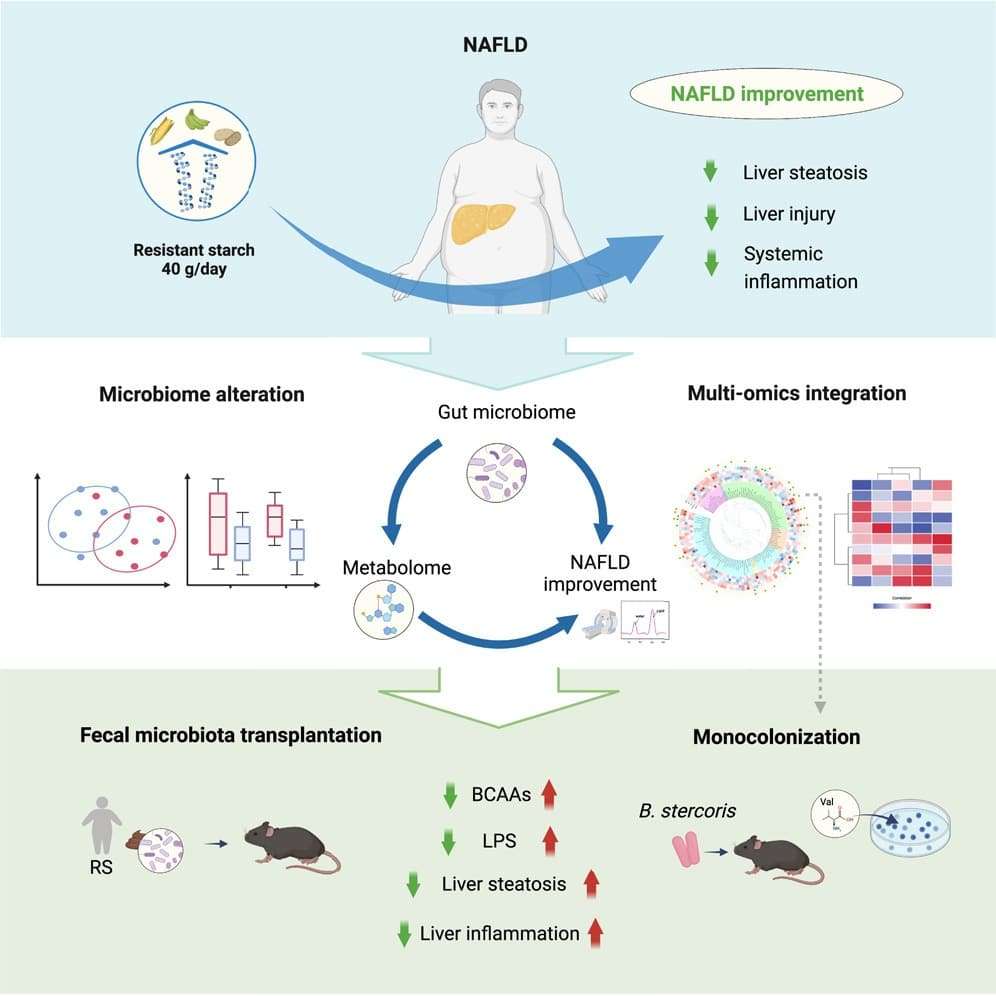
The clinical trial involved 200 individuals diagnosed with NAFLD over a four-month period. Participants were randomly assigned either to consume resistant starch daily or to maintain their regular diet, ensuring credible outcomes.
Main Outcomes
- Significant liver fat reduction: Imaging and biopsy results revealed liver fat dropped markedly in the resistant starch group, from an average of 25% down to 13%, while the control group saw only a modest decrease from 24% to 21%.
- Enhanced liver enzyme profiles: Markers of liver injury, alanine aminotransferase (ALT) and aspartate aminotransferase (AST), showed significant improvements in the resistant starch group.
- Alterations in gut bacteria: Resistant starch consumption modified the gut microbial community, decreasing the prevalence of Bacteroides stercoris. Animal experiments linked this bacterial reduction to lowered liver fat, while supplementation of this bacterium increased liver fat.
What Is Resistant Starch?
Resistant starch is a type of carbohydrate that resists digestion in the small intestine and arrives at the colon intact. There, it serves as a prebiotic, nourishing beneficial gut microbes. Unlike typical starches, resistant starch is fermented by gut bacteria, producing short-chain fatty acids (SCFAs) that help reduce inflammation and enhance insulin sensitivity.
Common Sources of Resistant Starch
- Potatoes and rice that have been cooked and then cooled
- Beans such as lentils, chickpeas, and black beans
- Whole grains and some types of corn
- Unripe bananas and plantains
- Pasta, particularly when cooked and chilled
Notably, the cooling process of foods like potatoes and rice significantly increases their resistant starch content compared to when they are freshly cooked.
Implications for Diet and Health
The researchers advise including a serving about the size of a fist of resistant starch-rich foods in each meal. Besides combating liver fat, resistant starch enhances digestive health, stabilizes blood sugar, and supports weight control.
Broader Impact Potential
This international study highlights the potential of nutritional strategies to address complex diseases like NAFLD. Resistant starch presents a practical, affordable, and non-pharmaceutical option with global health benefits.












0 comments
Sign in to Comment