
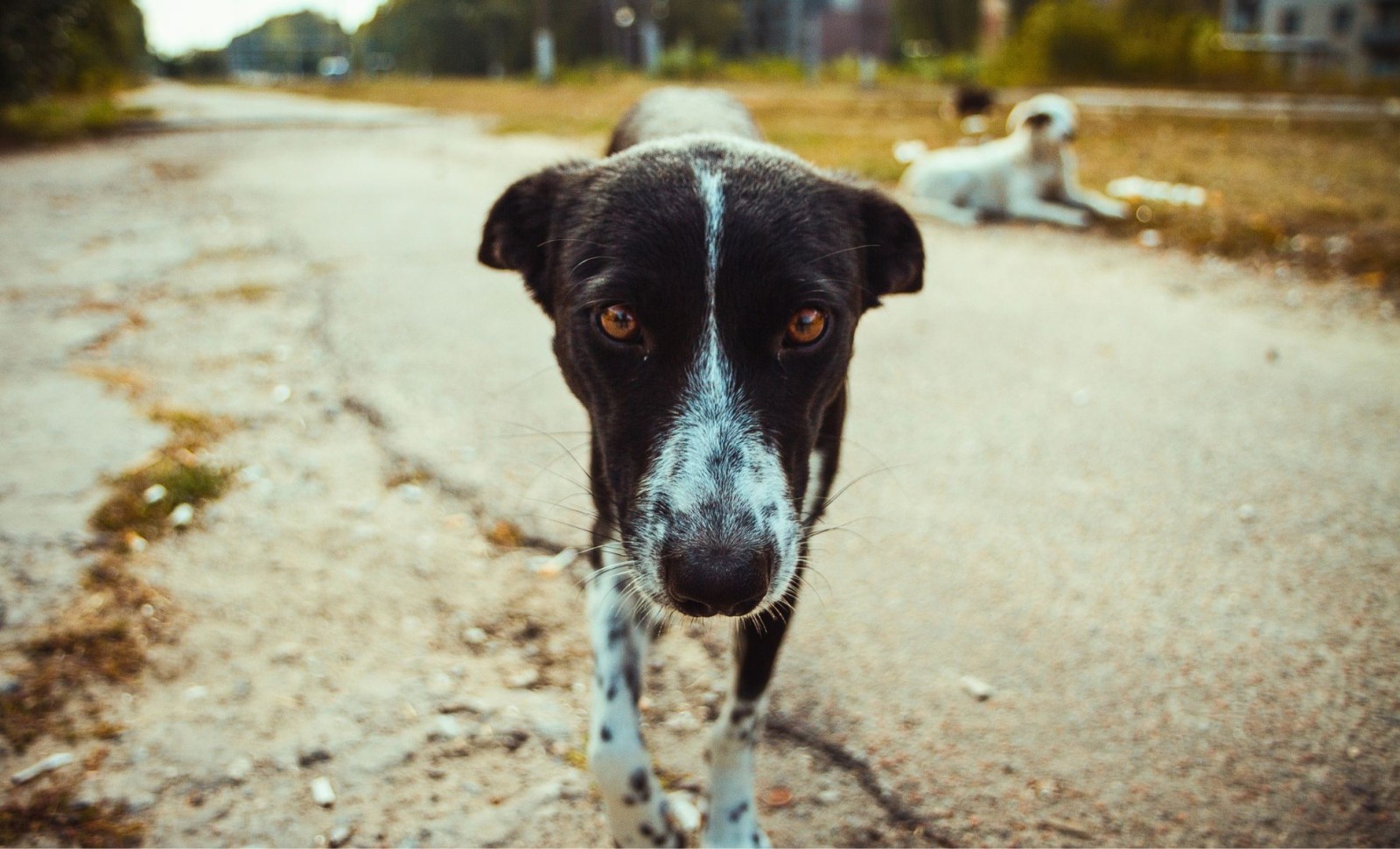
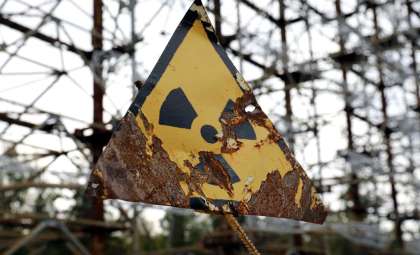
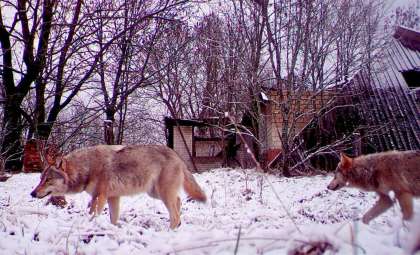
More than thirty years since the catastrophic nuclear accident, a large population of feral dogs continues to live around the Chernobyl Nuclear Power Plant (CNPP). Researchers now reveal that these animals do more than just survive amid the ruins—they are actively thriving. Some rest beneath aging equipment while others forage near deteriorating cooling towers. Many pups are born mere meters from the infamous Reactor No. 4.
Recently, these resilient dogs have drawn scientific interest far beyond the visitors who bring food. Experts are examining the Chernobyl dogs as a unique opportunity to study the effects of extended radiation exposure in wild mammals. Their genomes show mutations at unprecedented rates, indicating accelerated evolution in response to the persistent, low-level radiation present in their environment.
A Sanctuary Amidst Radiation
Following the Chernobyl disaster, authorities evacuated over 100,000 residents and ordered the culling of domestic animals left behind to curb potential contamination. Nevertheless, some stray dogs eluded capture. Over decades, as flora and fauna reclaimed the deserted city of Pripyat and the surrounding area, those surviving dogs multiplied. By 2017, researchers estimated the dog population exceeded 800 free-ranging individuals throughout the 1,000-square-mile Chernobyl Exclusion Zone (CEZ).

Scientists gathered blood samples from 302 canines separated into groups by their distance from the reactor: dogs residing within the CNPP grounds, those in nearby Chernobyl City, and others located 45 kilometers away in the town of Slavutych. Analysis of over 129,000 single-nucleotide polymorphisms (SNPs) allowed detailed comparison of their genetic variations.
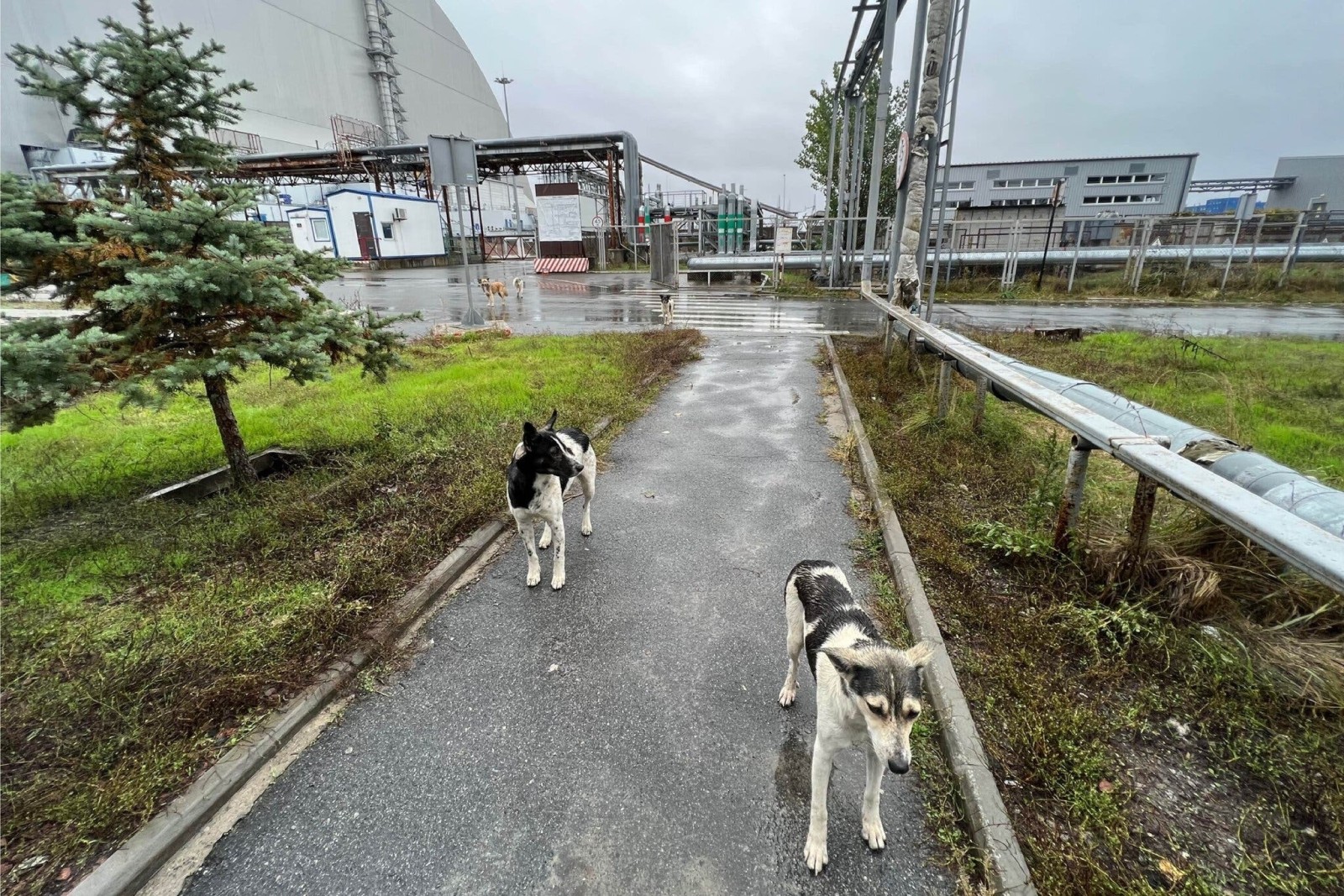
The study’s discoveries were remarkable. Dogs closest to the nuclear plant exhibited significant genetic divergence, reflecting isolation, inbreeding, and adaptations to harsh environmental conditions. This genetic evidence suggests the animals are more than just survivors; they may be evolving to cope with continuous radiation exposure.
Genetic Adaptations to Radiation Stress
Key genes were identified showing signs of selection. Canines inhabiting the most contaminated zones possessed mutations related to DNA repair mechanisms, immune defense, and cell metabolism—critical biological systems affected by radiation. Changes appeared in genes such as ATM, TP53, and XRCC4, central to repairing DNA damage and extensively researched in cancer biology.
These genetic alterations might enhance the dogs’ ability to endure chronic, low-dose radiation, which causes continuous oxidative stress on cells. Additionally, mutations in pigmentation genes like MC1R could contribute to the appearance of darker fur, potentially serving as added protection against radiation-induced oxidative damage. Similar adaptations have been observed in frog communities living near the reactor.
Further analysis suggests these genetic shifts are driven by natural selection, not random genetic drift. Although inbreeding is more common among these dogs compared to urban populations, this may help consolidate traits that improve radiation tolerance within their gene pool.
Heritage and Population Isolation
Unexpectedly, many Chernobyl canines trace their lineage to German shepherds, Eastern European shepherd dogs, and Russian hounds—working breeds likely left behind during evacuation. Unlike dogs from neighboring towns, which show recent genetic mixing with pets and pedigrees, CNPP dogs appear to have remained genetically secluded for multiple decades.
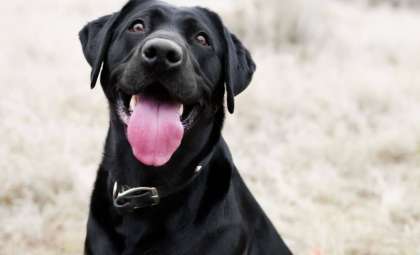
Distinct genetic clusters form among these groups, with minimal movement between them, likely due to physical obstacles like fences and radioactive contamination. Dogs from Slavutych, a nearby relocated settlement outside the CEZ, exhibited a more diverse genetic background that included breeds such as Labrador retrievers and Boxers, popular pets in the region.
By examining haplotypes—inheritance patterns of DNA segments—researchers identified ancient breed markers persisting in the CNPP dog population for generations. These can serve as genomic references for future comparisons aimed at isolating mutations caused by radiation from those inherited ancestrally.
Broader Implications of These Findings
Published in Science Advances, this research from the University of South Carolina and the National Human Genome Research Institute offers new insights into how mammals adapt to prolonged radiation effects. The implications extend beyond the dogs’ survival—this knowledge may inform human health studies as well.
“Genes involved in DNA maintenance and oxidative stress regulation, highlighted by this study, play crucial roles in human diseases, especially those linked to cancer development,” said Dr. Timothy Mousseau, an expert on Chernobyl’s ecosystem who has conducted long-term wildlife studies in the area.
As efforts to understand the long-term biological effects of low-level radiation on humans broaden—from nuclear industry workers to patients receiving radiotherapy—the Chernobyl dog population provides a rare natural model. Their genomes may reveal patterns related to mutation buildup, adaptability, and genetic damage induced by ongoing radiation exposure.
Future research aims to perform more comprehensive genetic mapping, contrasting mutated regions in Chernobyl dogs against unexposed shepherd breeds. This work hopes to clarify the biological mechanisms enabling survival—and whether these changes signify potential health risks or the emergence of radiation-tolerant mammals.
- Categories:
- Science








0 comments
Sign in to Comment