
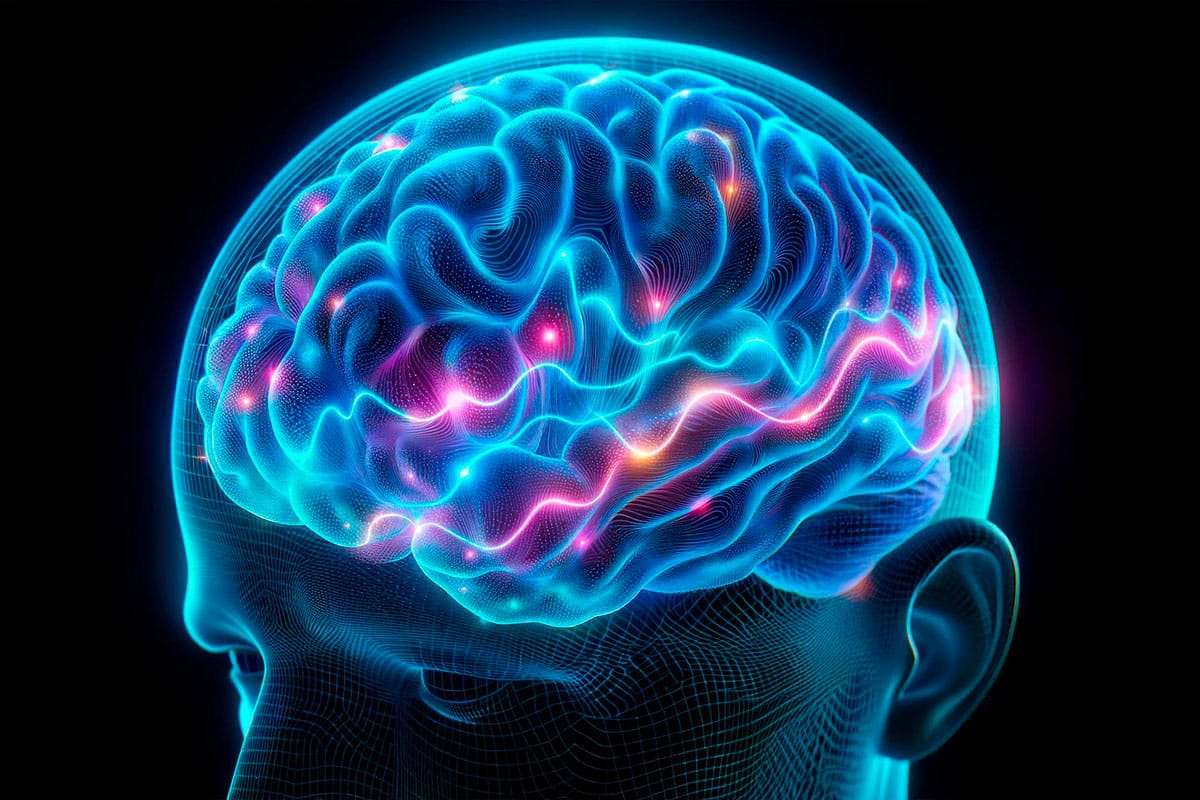
A recent study by experts at Aalto and Oulu Universities in Finland reveals how our everyday behaviors leave lasting marks on brain activity. Published in PLOS Biology, this research shows that the brain’s response to our actions extends well beyond immediate reactions.
Over a five-month period, scientists tracked an individual's brain activity utilizing wearable technology combined with brain imaging techniques. Their discoveries challenged common assumptions, indicating that the brain adapts over time in response to factors such as:
- Sleep quality
- Variations in heart rate
- Changes in mood
- Physical exercise
One particularly striking outcome was the finding that even short bursts of exercise can enhance memory and focus for up to two weeks. This underlines a deep and enduring connection between what we do daily and how our brain operates.

Physical exercise and its far-reaching impact on cognition
Among the key insights was how exercise benefits brain function beyond mere calorie burning. Taking walking breaks can boost energy expenditure, but the advantages also include sustained improvements in neural pathways that affect cognitive abilities for days or even weeks.
The team identified several mechanisms behind these improvements in cognitive flexibility—the brain’s skill in adapting and problem-solving—including:
- Enhanced oxygen supply to the brain during and post-exercise
- Raised concentrations of neurotrophins, which support neural growth
- Strengthened links between distinct brain regions
These results highlight the value of incorporating physical activity into our routines, even if only occasionally, to support optimal brain functioning over time.
The role of sleep quality and heart rate variability in brain connectivity
Sleep patterns and heart rate variability also play vital roles in shaping brain function. Regular awakenings at 3 or 4 AM might impact brain connectivity and performance more than we realize.
Specifically, heart rate variability was found to significantly influence resting-state brain connections, suggesting that relaxation practices like meditation could remodel brain activity even during rest.
Below is a summary table of how different activities affect brain function over time:
ActivityDuration of EffectAreas InfluencedExerciseUp to 2 weeksMemory, concentration, cognitive flexibilitySleep disturbancesSeveral daysMood, attention, decision-makingMeditationWeeks to monthsEmotional regulation, stress response
Advancing personalized brain health and wellness
These insights carry profound implications for tailoring healthcare and enhancing mental well-being. Understanding how daily habits influence brain function could empower people to make choices that promote cognitive health.
The use of wearable technology, pivotal in this study, may soon play a larger role in tracking mental states and managing stress dynamically. Such devices could notify users about brain function shifts and recommend proactive health actions.
Additionally, the findings reinforce the importance of balanced habits like staying properly hydrated, prioritizing restful sleep, regular physical activity, and stress reduction techniques for sustaining brain vitality.
As research continues to decode how our lifestyle shapes brain function, we edge closer to personalized interventions designed to enhance cognition and overall well-being. This study reminds us that every daily choice, big or small, influences our brain’s health weeks into the future.
- Categories:
- Health
















0 comments
Sign in to Comment