
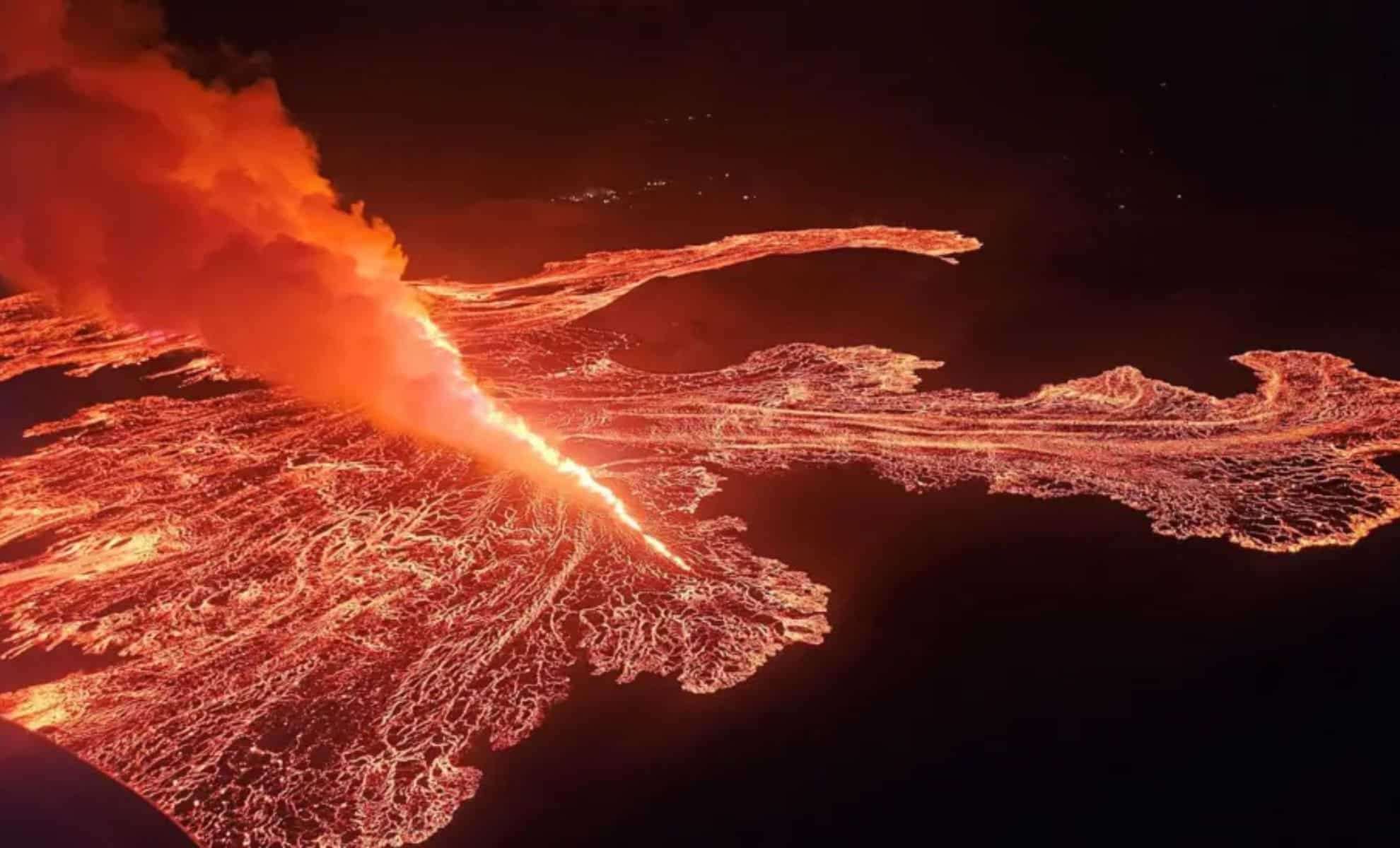
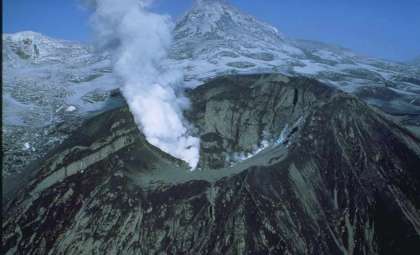
A groundbreaking research article featured in The Innovation Geoscience by a team from China has highlighted the extensive environmental repercussions following the 2023 eruption of Iceland’s Sundhnukagigar volcano. This event released massive quantities of sulfur dioxide gas, which traveled more than 1,250 miles (2,000 kilometers) reaching the Arctic and causing a significant spike in atmospheric pollution. Professors Si Fuqi and Yuhan Luo from the Chinese Academy of Sciences spearheaded the study, employing data from two Chinese satellites dedicated to environmental monitoring to track the pollutant's journey and evaluate its impact on the fragile Arctic ecosystem.
Unexpected and Concerning Findings
The volcanic eruption at Sundhnukagigar emitted large volumes of sulfur dioxide (SO₂) and other gases into the atmosphere. While immediate local effects were notable, the more alarming consequence was the far-reaching influence seen in remote areas. Analysis revealed that approximately 80% of the sulfur dioxide pollution recorded in Ny-Ålesund, an isolated community in the Arctic, originated directly from this volcanic activity in Iceland. These emissions exacerbate threats already present in the Arctic, including accelerated ice melt and climate-related stresses.
This research emphasizes how natural events like volcanic eruptions can have widespread environmental implications far beyond their eruption sites, impacting distant ecosystems and human populations. The Arctic, with its sensitive environmental balance, endured a marked increase in pollution levels, reinforcing the interconnectedness of Earth's ecosystems.

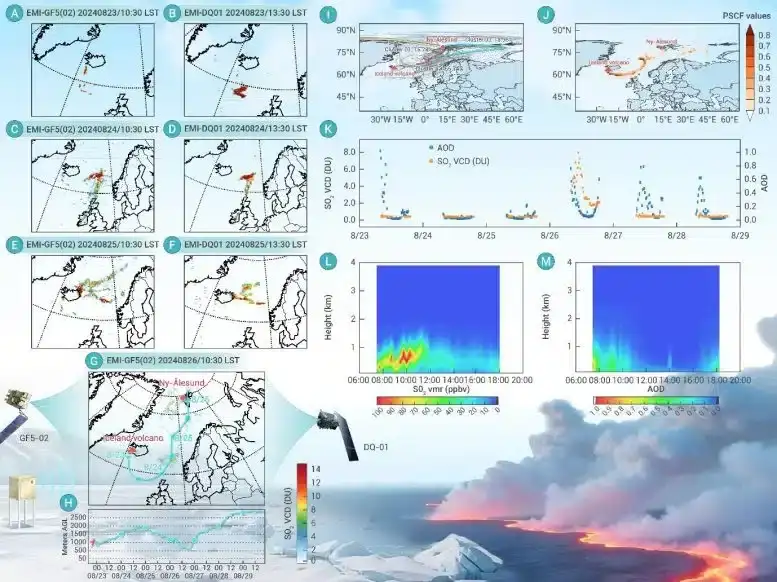
Effects of Sulfur Dioxide in Arctic Conditions
When sulfur dioxide enters the atmosphere, it transforms into sulfate aerosols, which can trigger acid rain, harming soil and water ecosystems. The Arctic is particularly susceptible because its cold temperatures and limited sunlight allow pollutants to linger longer, disturbing the delicate Arctic ecological balance. Research team member Kaili Wu remarked, “Our study highlights the far-reaching impact of volcanic eruptions on the environment,” adding, “It’s far beyond the immediate vicinity.”
As sulfate particles spread over the Arctic’s snow and ice, they contribute to changes in surface reflectivity (albedo), intensifying regional warming. These airborne contaminants also increase health risks for local wildlife and residents by affecting respiratory function and altering atmospheric chemistry, potentially causing lasting environmental damage.
A Worldwide Concern: The Far-reaching Impact of Volcanic Activity
Though eruptions like Sundhnukagigar cause immediate local disruptions, their influence on atmospheric conditions can substantially affect global environments. The study underscores the role of volcanic eruptions in driving long-term changes in the atmosphere, impacting ecosystems and human health thousands of miles away from the eruption site.
Using data from the Environmental Trace Gas Monitoring Instrument aboard Chinese satellites, the researchers precisely traced the dispersion of volcanic emissions. By integrating this satellite data with air quality observations from the Yellow River Station in the Arctic, the scientists established a definitive causal relationship between the Icelandic volcanic event and the heightened pollution detected in the Arctic region.
- Categories:
- News





0 comments
Sign in to Comment