
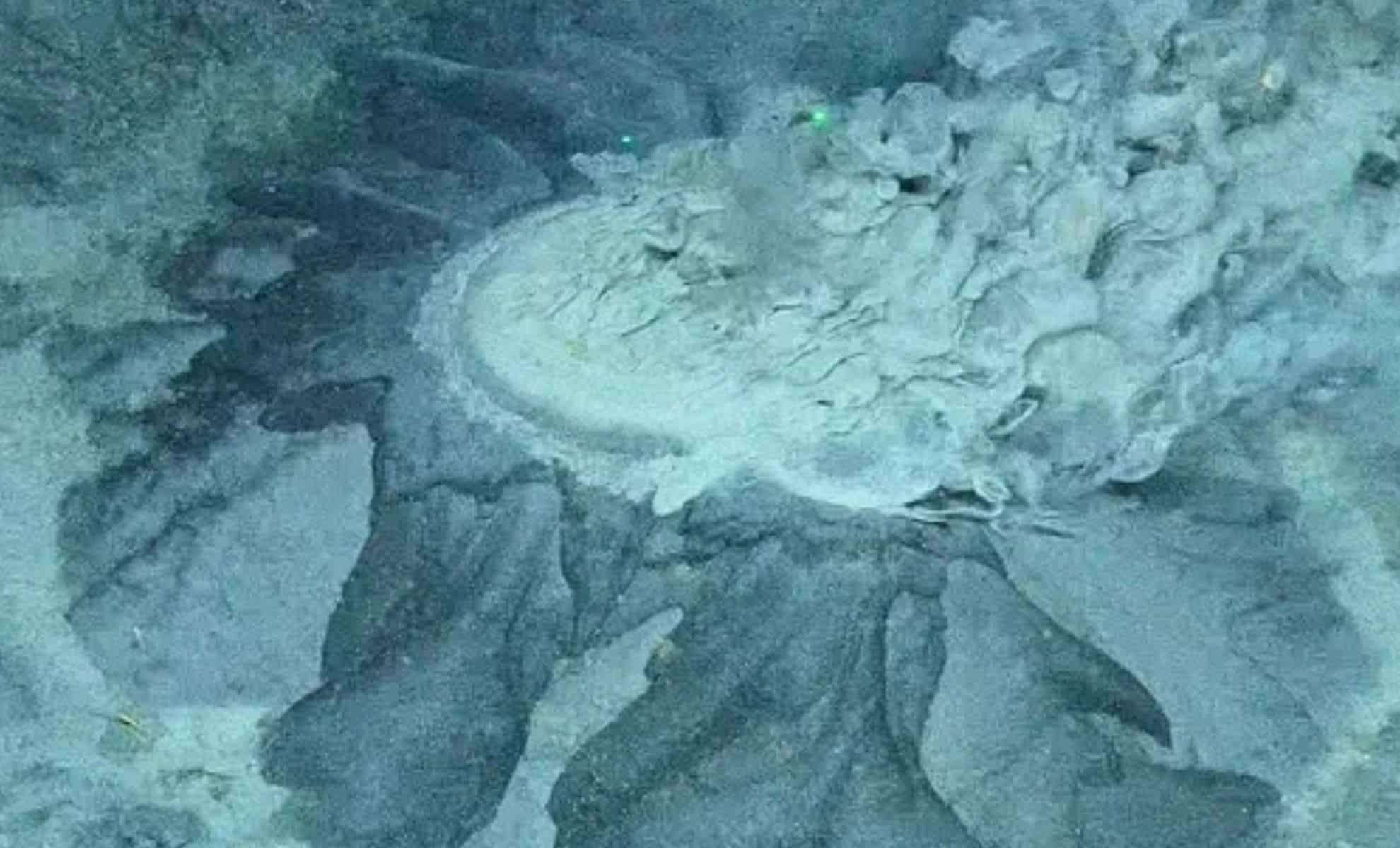
Far below the frozen surface of the Barents Sea, researchers have uncovered a remarkable feature—a mud volcano resting roughly 400 meters underwater. Dubbed the Borealis Mud Volcano, this ancient geological formation was identified during a 2023 expedition led by UiT – The Arctic University of Norway. What stands out is not just its presence under harsh conditions but that this bizarre environment supports a surprising abundance of life.
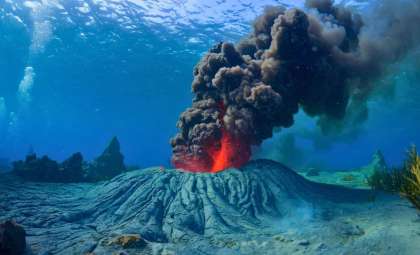
Unlike terrestrial volcanoes that emit molten rock, this submarine volcano spews out methane-rich fluids. Although deep-sea volcanic zones are often regarded as harsh and lifeless, preliminary studies indicate the Borealis Mud Volcano fosters a vibrant ecosystem in the Arctic Ocean. Scientists now consider this unique site a potential refuge for endangered marine species, potentially transforming our understanding of biodiversity in Earth's coldest ocean depths.
An Unusual Geologic Structure on the Arctic Seafloor
The Borealis Mud Volcano is a rare geological entity that stands out amid the typically barren, frigid seafloor environment. Dud to their nature, mud volcanoes release fluidized sediments along with gases like methane, differing from traditional volcanic eruptions of lava. These emissions actively reshape the seafloor, creating unique habitats found nowhere else in the deep sea.

Using REV Ocean’s remotely operated vehicle (ROV), scientists captured detailed visuals of the volcano, revealing that its crater and hardened crust offer vital shelter and nutrient sources for a wide variety of marine creatures.
The volcano’s influence on its immediate surroundings is striking. While the typically cold seafloor hovers around 4°C, waters near the volcano warm up to about 11.5°C. This moderate temperature rise produces a specialized niche that several species may depend on to survive in the otherwise harsh Arctic deep sea.
“Today we have discovered something exceptional,” said a scientist in Ocean Census’ announcement video, emphasizing the rarity of this geological feature.
An Unexpected Refuge for Deep-Sea Organisms
Though volcanic environments often suggest inhospitable conditions, experts increasingly recognize that deep-sea mud volcanoes can become hotspots of biodiversity. The methane-rich emissions provide key nutrients that nurture microbial communities foundational to a complex web of marine life.
“One would think that a volcano was not the most hospitable place for living organisms,” said Ocean Census. However, the data collected from the site suggests otherwise.
During exploration of the volcano’s crust and fissures, scientists uncovered diverse marine species clinging to rocks and burrowing in sediments. These organisms likely thrive due to the combined benefits of warm waters and methane-rich nutrients, creating a hidden haven amid the deep ocean depths.
Unlike hydrothermal vents powered by Earth's internal geothermal heat, mud volcanoes rely on subsurface pressure and trapped gases that release slowly over time. This steady and sustained energy source likely explains the Borealis Mud Volcano's stable environment that supports resilient Arctic marine ecosystems.
The Role of Mud Volcanoes in Ocean Ecology and Climate
The finding of the Borealis Mud Volcano opens fresh research pathways to explore how methane emissions from the seafloor impact ocean chemistry and climate dynamics. Methane is a powerful greenhouse gas; however, deep-sea microbial communities around such sites may help capture and cycle this gas, potentially influencing global climate regulation.
This discovery is especially valuable to Arctic environmental science amidst ongoing climate change. Understanding how mud volcanoes support life in extreme conditions will inform theories on deep-sea adaptations and the possibility of analogous ecosystems on planets or moons harboring subsurface oceans.
Charting the Path Forward for Arctic Ocean Research
While the Borealis Mud Volcano’s unveiling marks a milestone, numerous mysteries persist. Researchers seek to determine how long the volcano has been active, which species depend on it, and whether similar features remain undiscovered beneath Arctic waters.
Efforts by REV Ocean and Ocean Census to broaden exploration efforts using advanced robots and autonomous submarines aim to map uncharted ocean regions. Such studies will deepen insight into survival strategies of life forms living in extreme maritime settings and reveal if comparable geological secrets exist beyond Earth—in icy worlds like Europa and Enceladus.
This stunning find underscores how much remains unknown about Earth's deepest waters. Even in one of the planet’s coldest and most remote zones, life not only persists but thrives—reshaping our understanding of ecosystem formation in the most unlikely places.
- Categories:
- News







0 comments
Sign in to Comment