
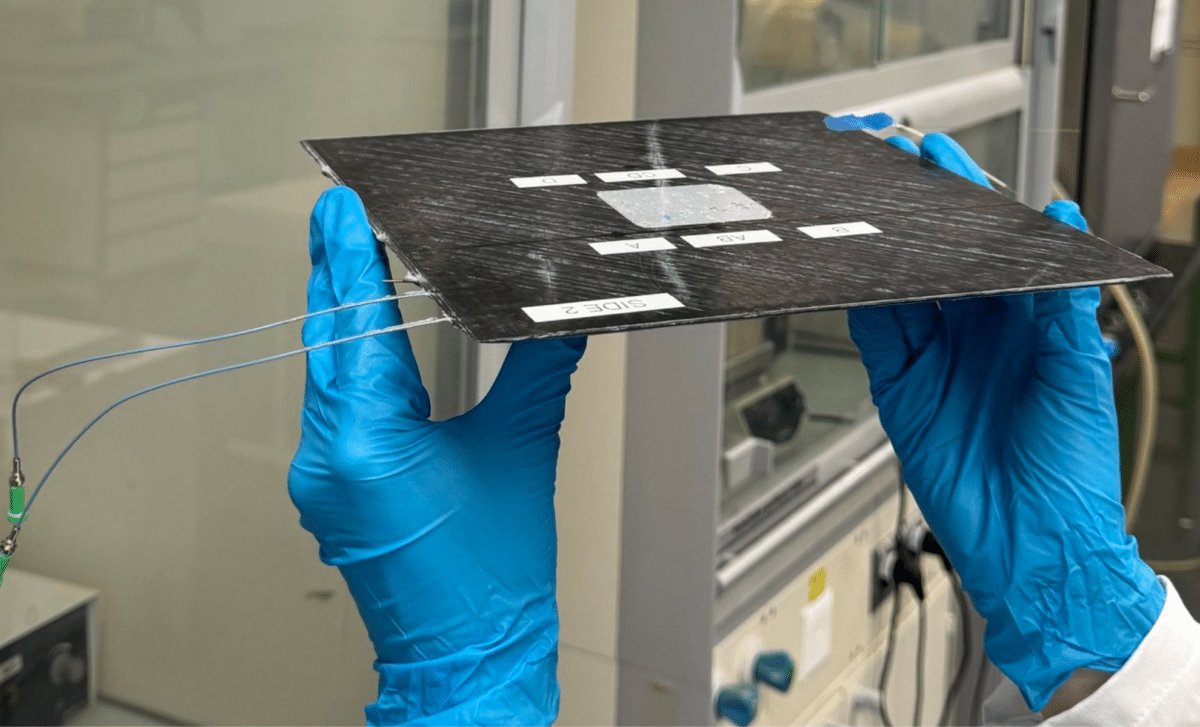
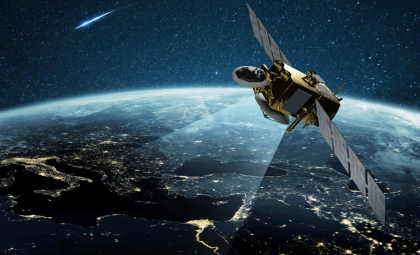
The European Space Agency (ESA) is pioneering cutting-edge self-healing spacecraft materials. Collaborating with Swiss firms CompPair and CSEM, alongside Belgian company Com&Sens, the initiative aims to develop HealTech, a composite material designed to autonomously repair damage encountered during spaceflight. This breakthrough promises to increase spacecraft resilience, lower mission expenditures, and promote sustainability in space exploration.
Understanding HealTech: The Next Generation in Self-Repairing Composites
The centerpiece of this innovation is a revolutionary composite that integrates carbon fiber reinforced polymers with self-healing capabilities. As noted by the ESA, composites are favored in spacecraft construction for their lightweight strength and corrosion resistance, yet remain susceptible to damage caused by mechanical stresses or impacts during missions. HealTech tackles these challenges through embedded healing agents that activate upon heating, enabling the material to mend cracks and small defects independently.
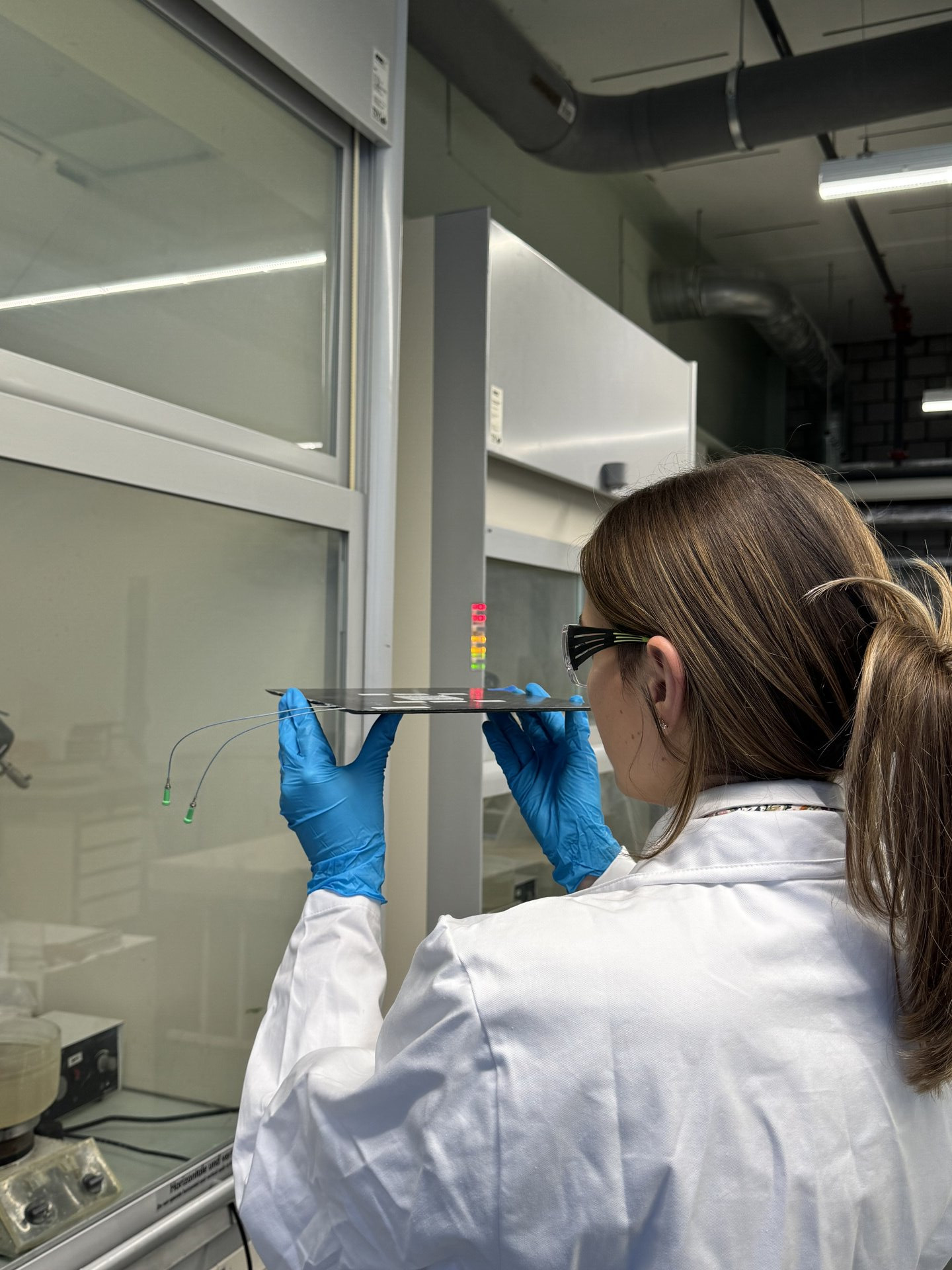
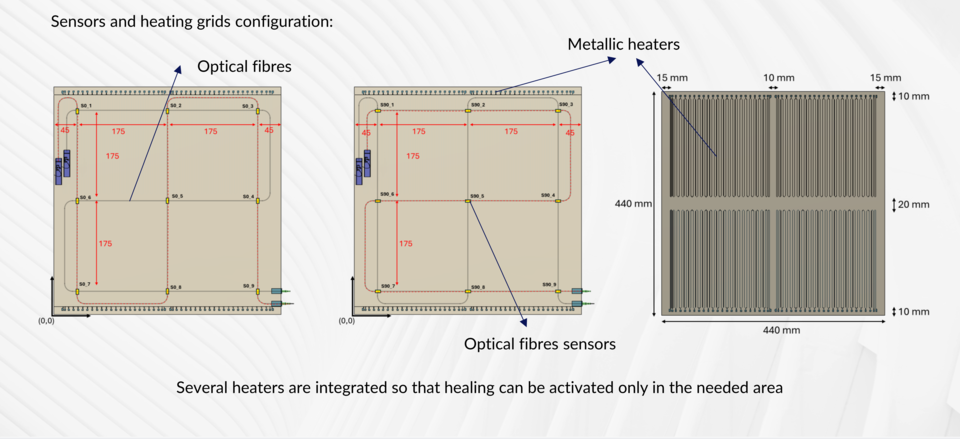
HealTech’s functionality is enhanced by integrated sensors and heating elements. These sensors continuously assess structural health, detecting damage at its inception. Upon identification of fractures or microcracks, an embedded heating network made from 3D-printed aluminum lattices raises the local temperature, activating the healing compounds within and enabling rapid self-repair. This approach could dramatically decrease the necessity for manual fixes during or post-mission, saving time and resources.

HealTech’s Potential to Revolutionize Space Transport
A standout feature of HealTech is its capacity to redefine space transport systems. “Incorporating this technology could yield significant advantages in space travel,” comments ESA’s Bernard Decotignie. “It will facilitate the creation of reusable infrastructure in space and help cut down mission expenses. This clearly showcases the power of European innovation in aerospace.” As reusable launch vehicles and spacecraft play increasingly pivotal roles, the ability to self-heal enhances longevity and reduces upkeep costs.
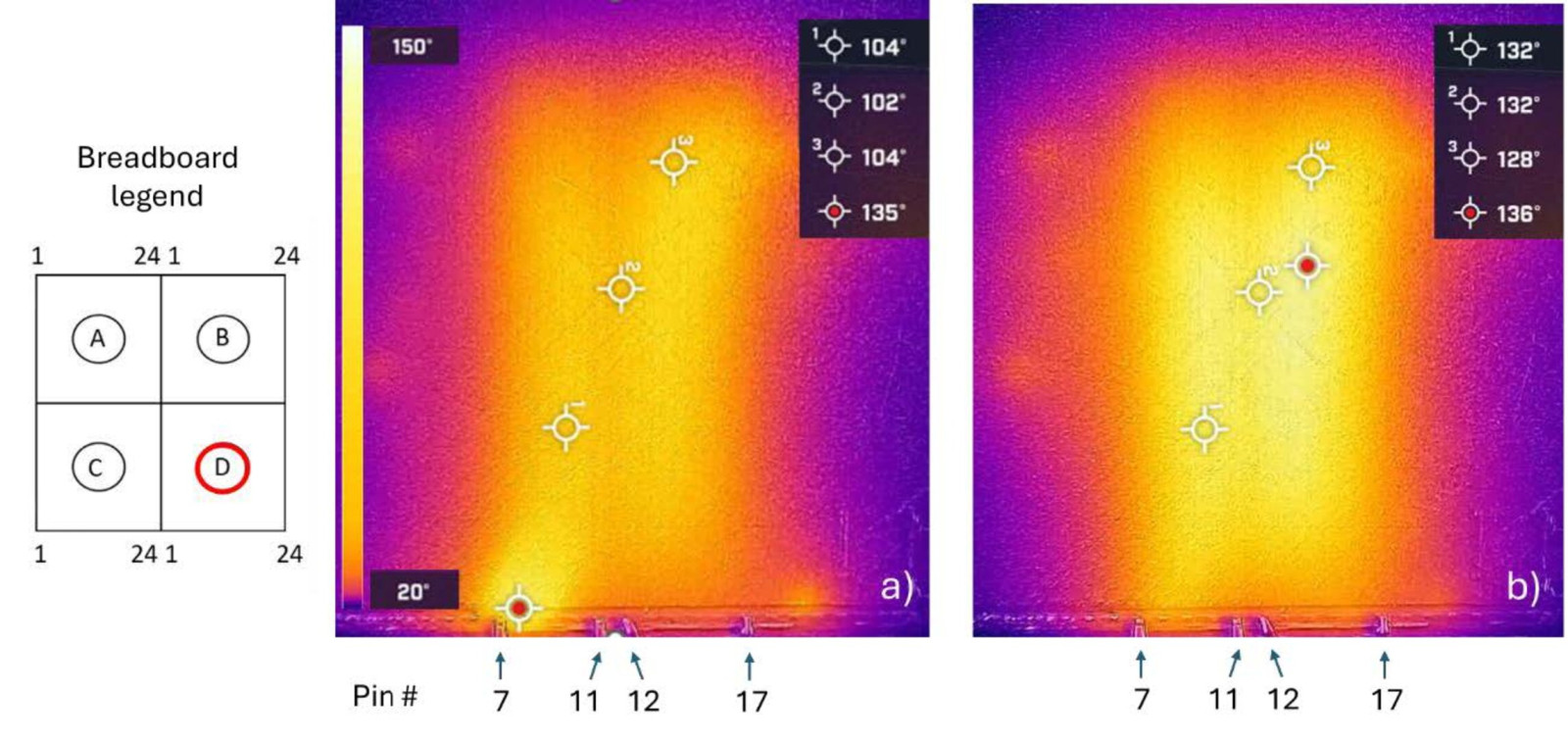
This self-repair mechanism is especially promising for ventures involving multiple launches and landings, addressing the common accumulation of wear-induced microstructural damage. Traditionally, spacecraft parts endure micro-cracks and stress fractures that compromise operational lifespans. HealTech presents a sustainable solution, enabling spacecraft to maintain integrity autonomously and extend service life, thereby minimizing waste.
CompPair's Role in Advancing Space Material Innovation
CompPair, the developer behind HealTech, is leading advancements in space-grade composite technologies. Robin Trigueira, Chief Technology Officer at CompPair, describes HealTech as a pivotal advancement for aerospace engineering.
“I’m excited by the autonomy and durability benefits we can bring for future spacecraft and launchers, closing the gap between science fiction and reality! This project is a major step for CompPair in the space sector,” he says. “HealTech is unlocking unprecedented technological advancement for composite material health monitoring and management, clearly highlighting the possibilities brought by healable composites for reusable space structure costs efficiency.”
The technology promises increased spacecraft autonomy, crucial for upcoming missions by diminishing reliance on human intervention. This innovation will ensure longer functional periods in the harsh environment of space without compromising structural safety.
Enhancing Longevity and Efficiency of Spacecraft Systems
HealTech’s benefits extend beyond damage repair; it significantly improves overall spacecraft performance. According to Cecilia Scazzoli, Head of Research and Development at CompPair, the composites provide autonomous damage detection and repair while exhibiting strong resistance to micro-cracking. “This technology meets the demanding needs of propellant tanks and reusable structural components, enabling lighter and more maintainable spacecraft,” she notes.
By incorporating self-healing materials, spacecraft can be engineered to be lighter yet more robust against the extreme conditions of space missions. This progress could make future expeditions more cost-efficient and sustainable, reducing the need for frequent servicing or replacements, thereby supporting ambitious long-term voyages such as those targeting Mars or farther destinations.
- Categories:
- Space







0 comments
Sign in to Comment