

NASA has awarded Starfish Space a $15 million contract to develop a mission designed to survey inactive satellites and other orbital debris in low Earth orbit. The project, called the Small Spacecraft Propulsion and Inspection Capability (SSPICY), will deploy Starfish’s Otter spacecraft to approach and analyze non-functioning satellites, addressing the mounting challenge of space debris. Planned for launch in 2026, SSPICY is part of NASA’s overarching initiative to enhance space sustainability and reduce risks from orbital debris.
Mission Aims and Technological Innovations
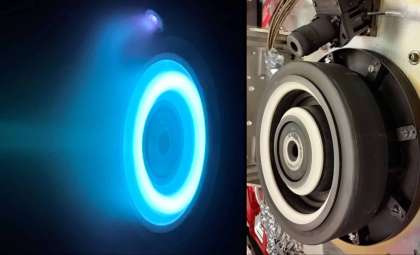
The SSPICY effort centers on the Otter spacecraft, a compact, highly maneuverable satellite roughly the size of a kitchen oven. Utilizing advanced electric propulsion, Otter will navigate near defunct satellites and debris. This enables its primary mission to conduct close-quarter inspections of inactive spacecraft, evaluating factors like structural stability, rotation, surface wear, and other critical characteristics. The data gathered will support future initiatives to repair, repurpose, or safely remove these objects, diminishing the risk of damaging collisions in orbit.
Bo Naasz, NASA’s senior technical lead for in-space servicing, manufacturing, and assembly, explains that SSPICY is aimed at advancing key technologies needed by the commercial sector for satellite servicing and debris management. These inspections are vital for understanding the conditions that lead spacecraft to fail or become derelict, potentially generating hazardous debris. This capability is becoming increasingly critical as space becomes more congested with satellites and fragments, intensifying the chances of collisions that could threaten both government and private space systems.

The Escalating Issue of Orbital Debris
SSPICY aligns with NASA and the global space community’s efforts to confront the escalating problem of orbital debris, a significant obstacle to sustainable space exploration and satellite operations. Thousands of defunct satellites and debris pieces now orbit Earth at high velocities, risking operational spacecraft and human crews. Accumulated over decades, these remnants of past missions could eventually make space so hazardous that future activities might be jeopardized.
Beyond being a nuisance, inactive satellites remain in orbit and often spin uncontrollably or decay slowly, risking collisions that create further debris. The SSPICY mission, by performing detailed inspections, aims to yield critical information to counter these dangers. The Otter spacecraft will approach each target from just a few hundred meters, a challenging maneuver due to the rapid velocities involved. The insight gained will enhance strategies to manage defunct satellites before they endanger both governmental and commercial operations in space.
Starfish Space and NASA Drive Forward Satellite Maintenance
Beyond orbital cleanup, SSPICY represents significant progress in satellite servicing technology. In a space environment largely dominated by single-use satellites, Starfish Space and NASA are charting a course toward more routine in-space servicing, maintenance, and assembly. This shift promises to extend satellite lifespans, reduce premature satellite launches, and limit debris generated by obsolete spacecraft.
Starfish Space’s Otter spacecraft leads this innovation with its electric propulsion allowing efficient travel among debris and precise proximity operations to inspect targets safely. Trevor Bennett, Starfish Space’s co-founder, shared, “We are excited to expand our partnership with NASA, building on our shared commitment to advancing in-space manufacturing and assembly capabilities. It’s an honor for Starfish to lead the first commercial debris inspection mission funded by NASA.”
Information gathered will inform debris removal techniques and improve satellite servicing approaches. It also contributes to developing technologies for in-orbit assembly, potentially enabling autonomous repair or repurposing. As commercial space ventures grow, SSPICY sets important foundations for sustainable satellite operations, autonomous space logistics, and reduced dependence on launching replacement satellites.
Addressing Orbital Debris Risks and Future Directions
The SSPICY mission takes place amid NASA’s enhanced emphasis on space sustainability and collision avoidance, as both commercial and government agencies face challenges in increasingly crowded orbits. NASA’s Space Technology Mission Directorate highlights that debris threatens satellites’ functionality and jeopardizes astronauts aboard the International Space Station (ISS) and crewed missions to the Moon and Mars. With debris moving at speeds greater than 28,000 kilometers per hour, even small fragments can inflict severe damage.
Serving as a technology demonstrator, SSPICY will validate methods to keep space safer for exploration and commerce. Initially focusing on inspecting U.S.-owned inactive satellites, its technologies could extend to global debris removal and commercial satellite servicing missions. The influx of satellites due to constellations like Starlink underscores the urgency of such efforts.
NASA’s SSPICY mission is slated for launch in late 2026, followed by Otter’s inspection campaign beginning in 2027. This project marks a critical stride toward cleaning orbit and fostering a space economy that supports sustainable, serviceable, and reusable satellites. Partnering with companies like Starfish Space, NASA promotes innovation pivotal to managing space debris and preserving a safe orbital environment for future generations.










0 comments
Sign in to Comment