
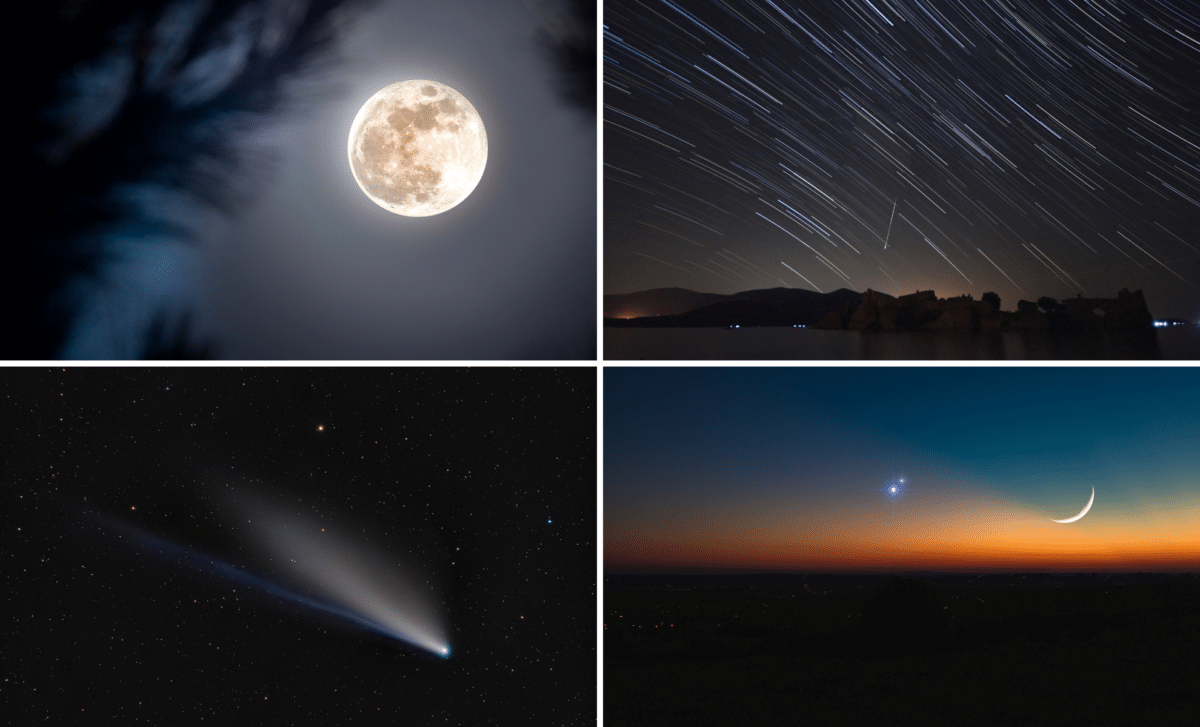
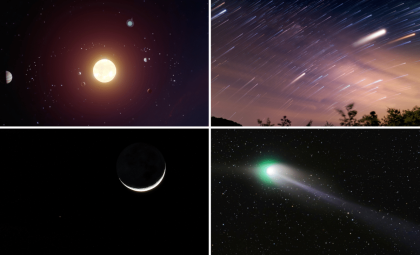
July promises an exceptional month for skywatchers, featuring a series of planetary meetings, meteor showers, lunar sights, and stunning vistas of the Milky Way. As National Geographic notes, eight significant astronomical events punctuate the month, many of which can be appreciated with just a clear night sky, while a few reveal even more detail through binoculars or a modest telescope. From the graceful pairings of Saturn and the Moon to the excitement of two meteor showers closing out the month, July offers unforgettable experiences for both casual viewers and seasoned astronomers.
Early Mornings Feature Striking Planetary Alignments
The beginning of July highlights several captivating conjunctions for those who rise early. On the nights of July 7 and 8, look east after midnight to spot Saturn closely accompanied by the third-quarter Moon. Remaining visible until dawn, this pairing creates one of the month’s most beautiful spectacles visible to the naked eye. As the sun approaches, Mars alongside the renowned Pleiades star cluster also join the view, rounding out a bright and appealing celestial lineup.
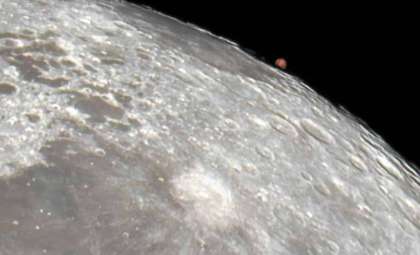
Just a few days later, on July 11, the pre-sunrise sky offers another impressive scene. A slim crescent Moon forms a tight triangle with the reddish hue of Mars and the blue-tinted stars of the Pleiades. This formation appears roughly two hours before sunrise in the eastern sky. While clearly observable without tools, binoculars enhance the spectacle by revealing numerous additional stars within the Pleiades, one of the closest and most distinctive open star clusters. This crescent phase of the Moon also provides great contrast to explore its craters and mountains near the terminator before daylight brightens the sky.

Dark Skies Reveal the Vibrant Core of the Milky Way
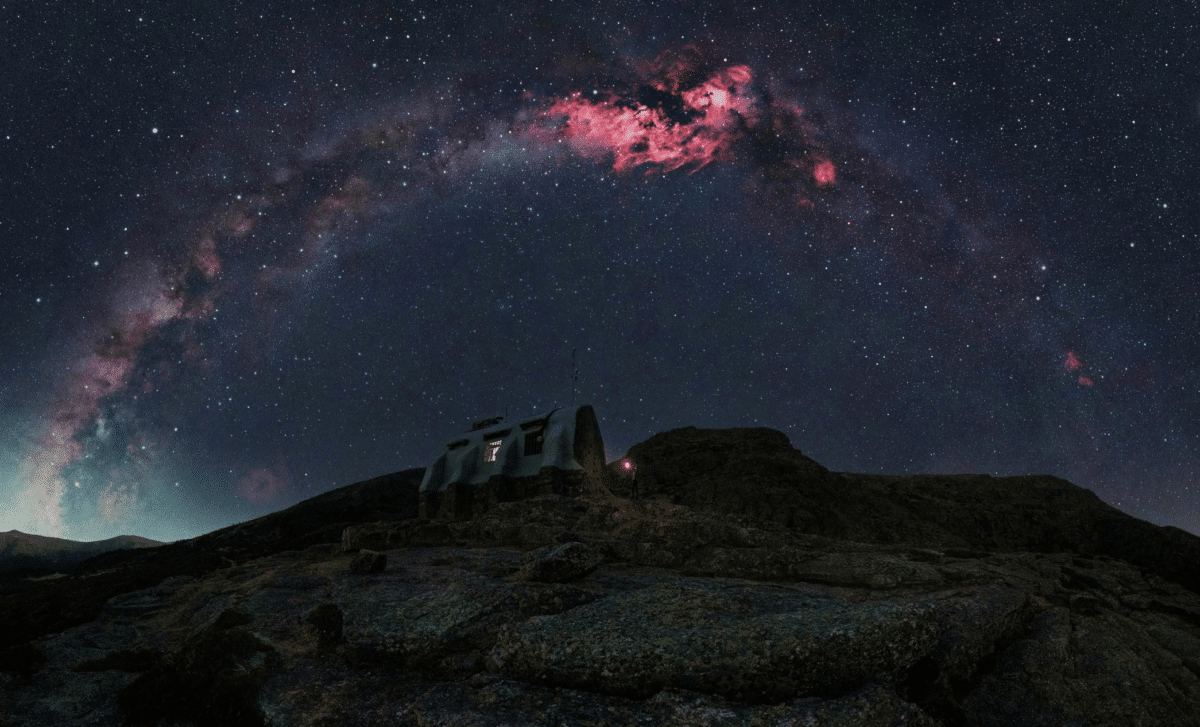
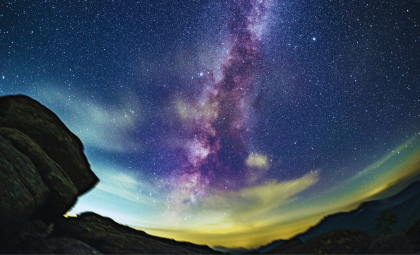
The new Moon on July 14 ushers in prime conditions for stargazing. With the sky freed from moonlight, observers in dark environments can see a richer tapestry of stars, nebulae, and stellar clusters. This time is ideal for viewing the glowing center of the Milky Way, boasting a crowded core of about 100 billion stars.
As National Geographic highlights, those who escape artificial light and allow their eyes roughly half an hour to adjust will witness the galactic center sweeping across the southern firmament unaided. Popular destinations like national parks and designated dark-sky sanctuaries become especially rewarding during this interval. Veteran astronomers might also hunt for famed deep-sky treasures such as the Ring Nebula and the Great Hercules Cluster, while the recognizable Sagittarius Teapot asterism acts as a handy guide towards the galaxy’s brightest sections. These nights offer some of the finest opportunities to appreciate the Milky Way all year long.
Evening Skies Light Up With Venus, the Buck Moon, and Dual Meteor Storms
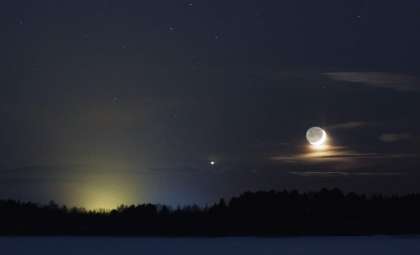
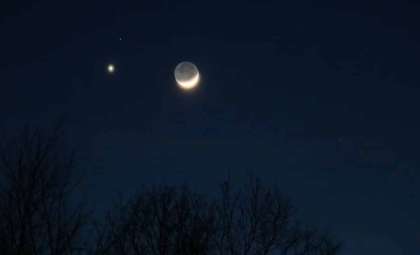
On July 17, evening skywatchers will delight in the sight of dazzling Venus positioned near a slender crescent Moon over the western horizon shortly after sunset. Although Venus only remains visible for a couple of hours before dipping below the horizon, its brilliant glow makes this meeting one of the easiest and most striking astronomy events of the month. The pairing also offers a stunning contrast against twilight hues, making it a favorite target for photographers.
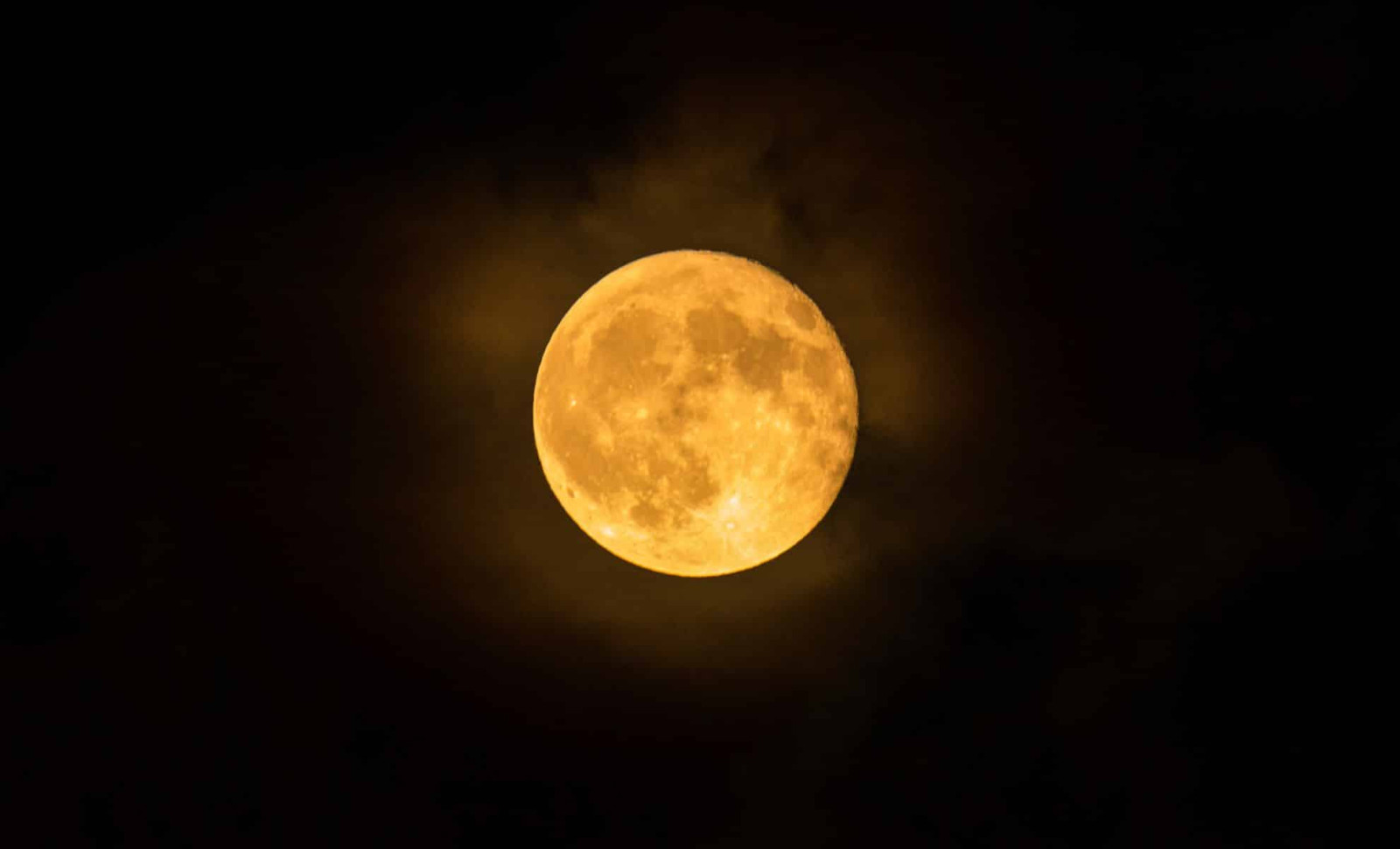
Focus then shifts to the Buck Moon, which reaches full brilliance on July 29. Named for the time when bucks rapidly grow antlers, this full Moon is especially captivating as it rises or sets near the horizon. During these moments, the well-known Moon illusion often magnifies the lunar disk, enhancing the visual impact of the moonrise. Observers on July 28 and 29 stand to witness this majestic effect at its peak.
The month concludes with the near-simultaneous peak of two meteor showers. The Southern Delta Aquariids, active from July 12 through August 23, reach their height on the nights of July 30 and 31, potentially delivering up to 20 meteors per hour under perfect dark-sky conditions. This shower favors southern hemisphere observers most strongly, but many meteors remain visible to northern skywatchers, especially at lower latitudes. Joining the display are the Alpha Capricornids, which, though smaller with about five meteors per hour, are renowned for bright fireballs that shine even with a moonlit backdrop. This year, a bright waning gibbous Moon will dim the visibility of some fainter streaks.
A Familiar Comet Gradually Shines Brighter for Patient Stargazers
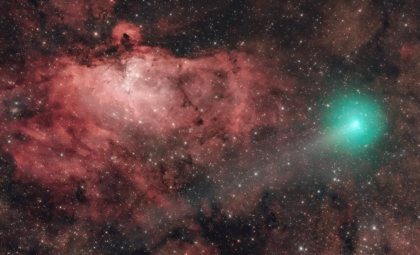
Beyond planets and meteors, July also brings the gradual brightening of Comet 10P, a periodic visitor returning roughly every five years. Early in the month, finding the comet near the constellation Capricornus requires a small telescope, but by late July the comet brightens enough that many might spot it through binoculars under dark conditions.
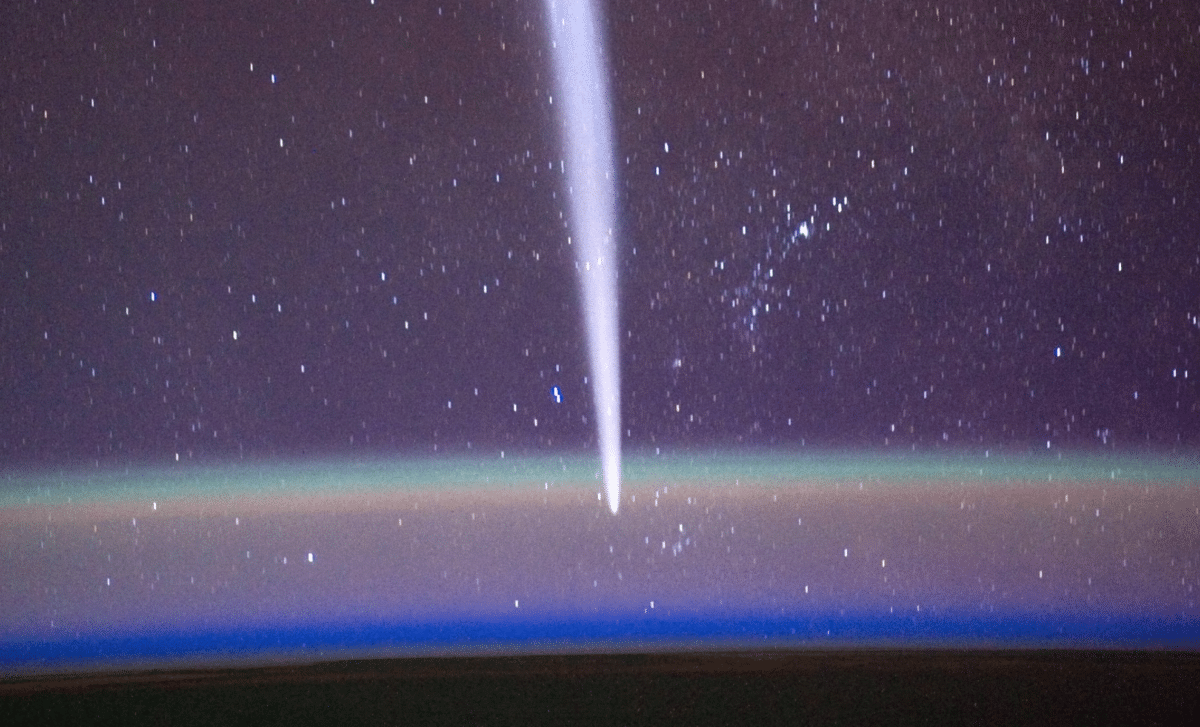
This gradual increase in brightness underscores the dynamic nature of the night sky, with objects shifting on timescales from hours to years. While Comet 10P is expected to peak in visibility in early August, July provides prime opportunities to track its steady return alongside a full calendar of celestial highlights. With planetary alignments, moon phases, Milky Way views, and dual meteor showers, nearly every week of July invites a rewarding skywatching session either after sunset or before dawn.
- Categories:
- News


0 comments
Sign in to Comment