
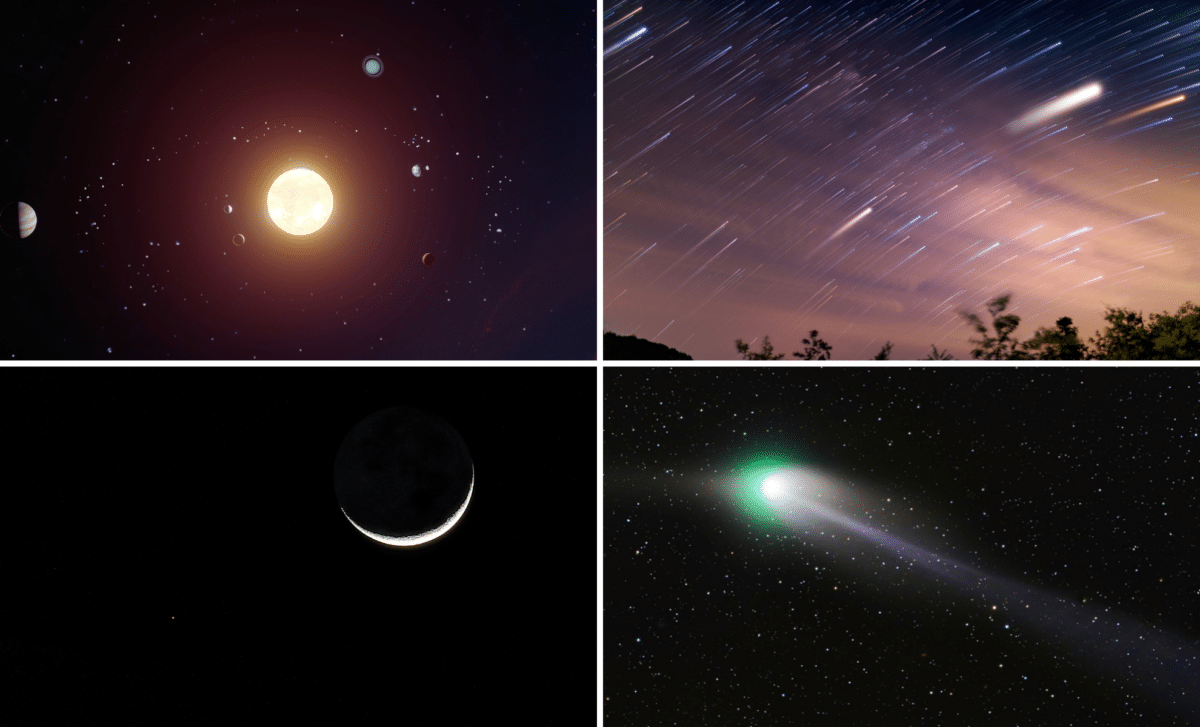
This April promises an extraordinary celestial lineup, featuring a seldom-seen planet making itself known, a fresh comet arriving on the cosmic stage, and vivid meteor streaks illuminating the night sky. NASA-backed forecasts reveal a series of spectacular and easily observable events unfolding gradually, inviting sky enthusiasts to catch these wonders.
Mercury Achieves Optimal Viewing on April 3
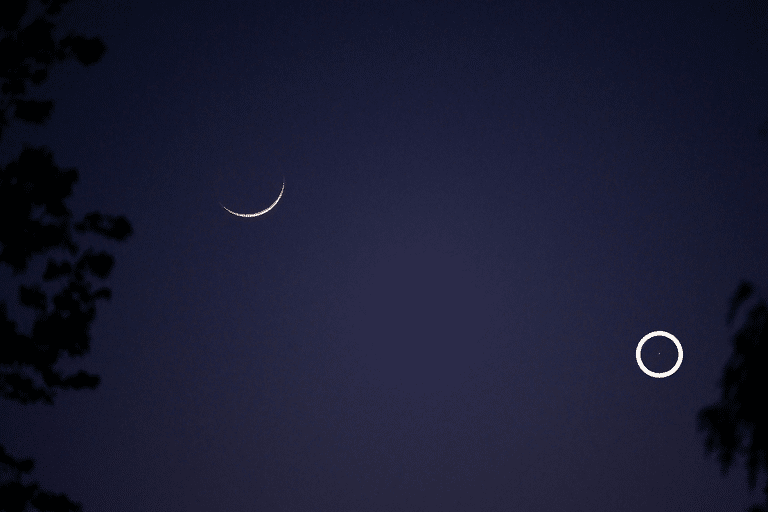
On April 3, Mercury will hit its greatest elongation, offering the clearest visibility of the year. At this moment, Mercury is positioned at its maximum apparent distance from the Sun as seen from Earth, making it much easier for observers to spot.
Since Mercury often remains hidden in the Sun’s glare, this opportunity is especially valuable. Look low toward the eastern horizon just before dawn, where Mercury will shine just above Mars. The window is brief, as the planet dims quickly with the approaching daylight.

These circumstances highlight how celestial positioning influences visibility, with April 3 providing one of the year’s best chances to observe Mercury.
Comet C/2025 R3 Becomes Prominent On April 17
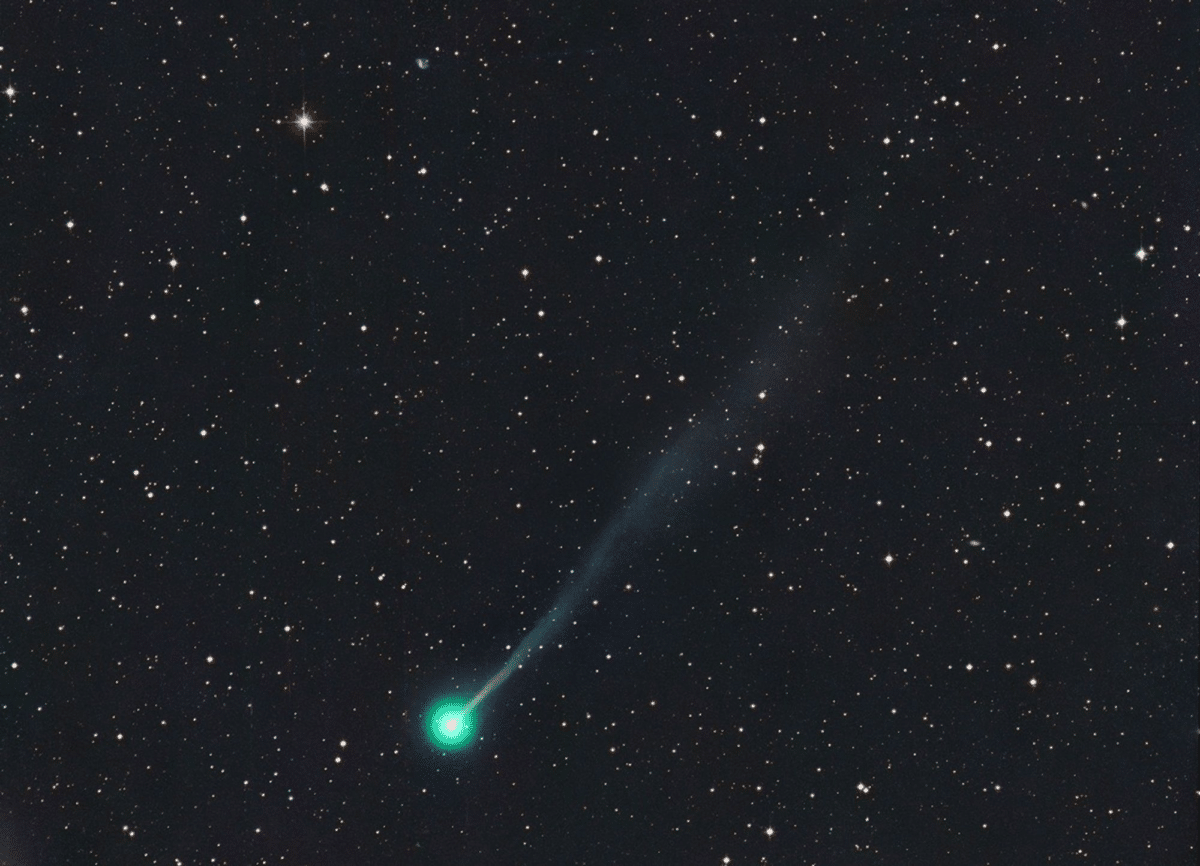
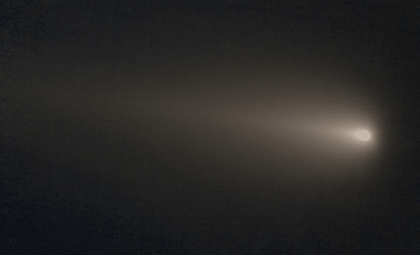
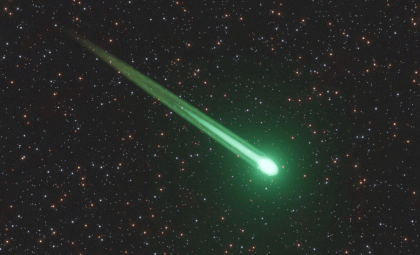
A standout event this month is the appearance of Comet C/2025 R3, anticipated to be among 2026’s most interesting celestial visitors. April 17 is the prime date to catch the comet, which should brighten enough to be visible through binoculars or small telescopes.
The comet is forecasted to reach about magnitude 8, just a bit too dim for the naked eye in many locations. It will be observable in the eastern pre-dawn sky, traveling through the constellations Pegasus and rising above Pisces.
According to NASA, this viewing opportunity lasts from mid-April until the month's end in the Northern Hemisphere, while Southern Hemisphere viewers may spot it in early May evenings. Its striking green coloration and lengthy ion tail make it an appealing target for astrophotographers and sky watchers alike.
Lyrid Meteor Shower Peaks April 21–22
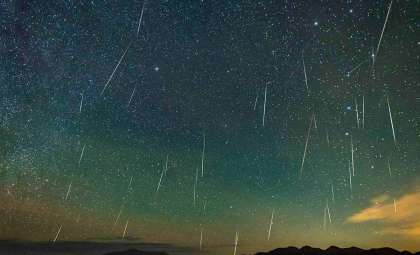
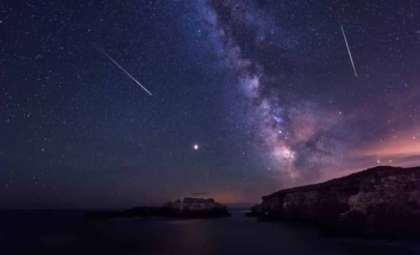
The annual Lyrid meteor shower will reach its height between April 21 and April 22, promising one of the most exciting nights of meteor viewing this spring. The shower originates from debris shed by Comet Thatcher and occurs every April when Earth passes through this cosmic dust.
Observers can expect to see as many as 15–20 meteors per hour in dark skies as particles burn up on entering Earth’s atmosphere, creating brilliant streaks of light popularly called shooting stars.
Peak viewing starts around 10 p.m. on April 21 and continues through the night into April 22. The meteors seem to radiate from near Vega, the fifth brightest star nestled in the Lyra constellation. While the radiant helps with orientation, these meteors can appear anywhere in the sky, so seeking wide-open, unobstructed views will enhance the experience.
Comet C/2025 R3 Nears Earth on April 27
Following its visibility peak, Comet C/2025 R3 will make its closest pass to Earth on April 27, coming within roughly 44 million miles.
Though the comet’s brightness may not increase significantly, this close approach is critical for scientific observations. Astronomers will gain improved insight into its makeup and structure using various instruments.
The comet will remain positioned in the eastern pre-dawn sky, allowing continued observation as it moves. Its evolving brightness and path promise a compelling multi-night viewing event.
- Categories:
- News



0 comments
Sign in to Comment