
Stargazers are in for an exciting week with multiple celestial phenomena visible without telescopes. From planetary gatherings to meteor showers, the cosmos offers spectacular sights for those who take the time to look up under clear skies.
Mars and Jupiter near Taurus at Dawn (July 15)
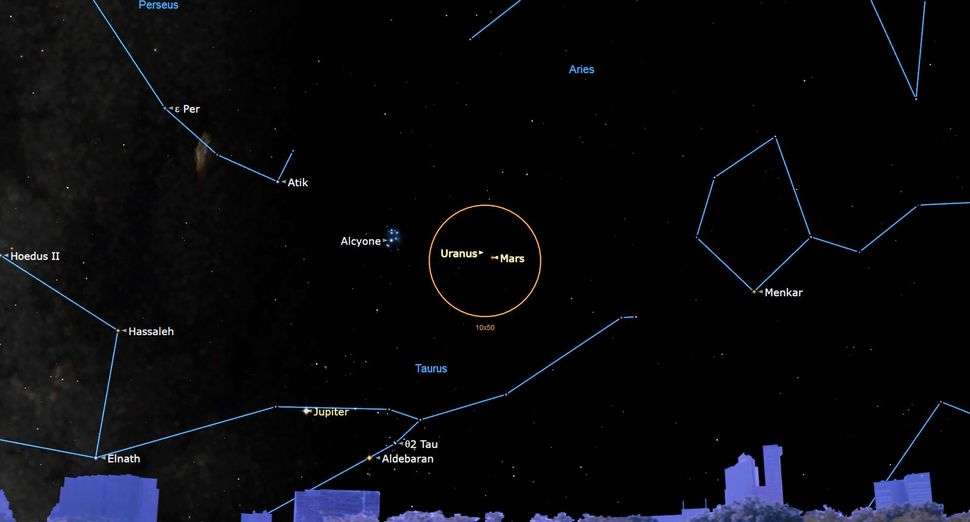
Early on Monday, July 15, the eastern horizon before sunrise will feature Mars and Jupiter shining within the Taurus constellation. Mars will be positioned just 0.55 degrees south of the faint planet Uranus. Bright Jupiter will glow to the left of Aldebaran, the prominent red star dubbed the “eye of the bull.” Mars, brighter than Jupiter, moves closer to its 2025 opposition. Although Uranus remains invisible to the naked eye, binoculars can reveal its bluish-green hue just above and to the left of Mars. The nearby Pleiades cluster also enhances the dawn spectacle.
Beyond Mars and Jupiter, Taurus boasts other fascinating celestial features. Aldebaran is a red giant star approximately 65 light-years from Earth. The Pleiades cluster, often called the Seven Sisters, lies about 440 light-years away and contains young, luminous stars that provide a striking contrast against the older, cooler Aldebaran. Observing this scene pre-dawn offers a peaceful cosmic experience as night fades to day.

Perseid Meteor Shower Starts (July 15 Evening)
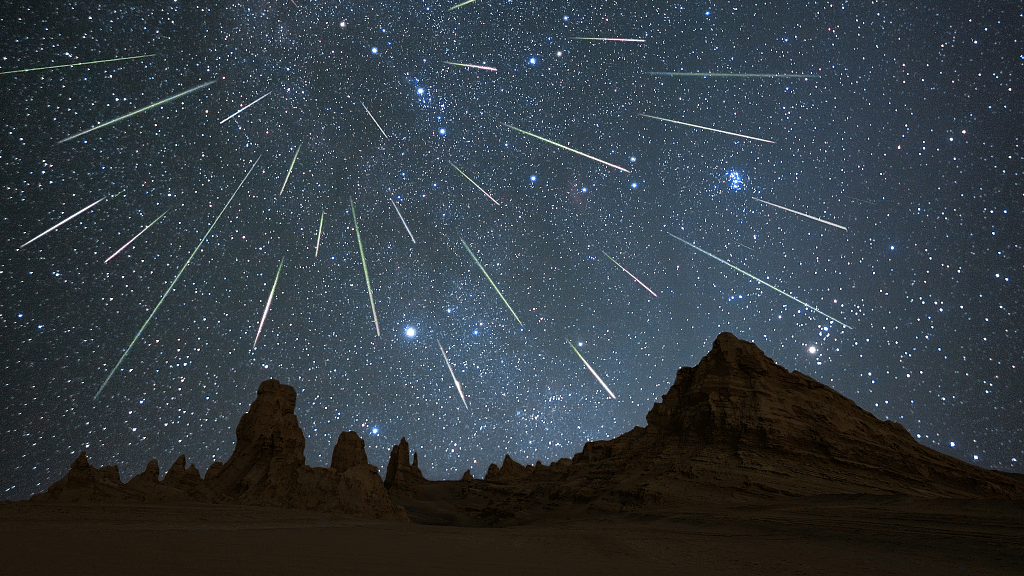
The Perseid meteor shower, one of the most striking annual meteor displays, begins on July 15 and will peak in mid-August. As Earth journeys through debris from comet 109P/Swift-Tuttle, shooting stars become visible lighting up the night sky. Early Perseid meteors may be seen now, though the peak activity is expected around August 11-12. Meteors can streak across any part of the sky, but tracing their paths back to the constellation Perseus in the northeast confirms their origin.
Perseids are famed for their bright, quick meteors often leaving glowing trails and occasionally producing brilliant fireballs. With a history spanning almost 2,000 years, including records from ancient China, this shower gets its name because the meteors seem to radiate from Perseus. During peak nights, observers can spot as many as 100 meteors per hour under dark, clear skies. The Perseids provide an ideal summer stargazing event for families and friends seeking to enjoy the celestial fireworks together.
Afternoon Waxing Gibbous Moon (July 16)
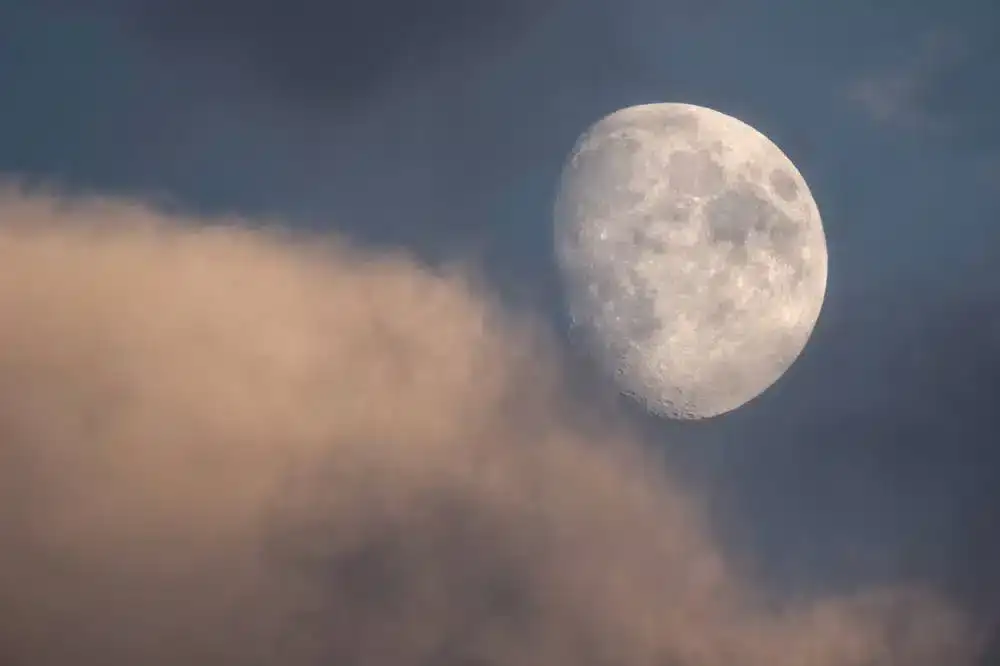
The week also offers a chance to observe the waxing gibbous moon during daylight hours. On Tuesday, July 16, the moon will be visible in the east-southeastern sky during late afternoon, shining with about 78% illumination. Each day, the moon rises roughly 50 minutes later, approaching full moon phase by Saturday. This provides a unique daylight viewing opportunity to examine the moon’s surface.
Observing the moon in daylight reveals fascinating details. The waxing gibbous phase showcases craters, mountain ranges, and lunar maria—vast dark plains formed by volcanic activity. Greater illumination enhances these surface contrasts. As the moon nears full phase, daytime observations are perfect for tracking its changes and preparing for full moon events. This experience can also serve as an engaging educational activity for children and a reminder that the moon is always present, even when not prominent at night.
Moon Close to Antares (Evening, July 17)
On the evening of Wednesday, July 17, look south soon after dark to spot the bright waxing gibbous moon near Antares, the brightest star in the Scorpius constellation. The moon will appear just a few finger-widths to the left of this red supergiant. Nicknamed “rival of Ares” for its red color and periodic proximity to Mars every 26 months, Antares lies about 600 light-years away and is roughly 850 times the diameter of the sun.
Antares is captivating not only for its size and vivid color but also its location within Scorpius, one of the most identifiable constellations. The close pairing of moon and Antares offers an excellent photo opportunity and a chance to appreciate the contrast between the moon’s bright white glow and Antares’ deep red hue. This event also invites observers to explore Scorpius further, including noteworthy stars like Shaula and Sargas.

Full Thunder Moon Lights Up the Night (July 20)
July’s full moon, often called the Buck Moon or Hay Moon, will rise in the southeast on the evening of Friday, July 20. While the moon officially reaches fullness on Sunday, July 21 at 6:17 a.m. EDT, it appears fully illuminated the night before. Watching the moonrise during twilight paints a stunning scene with the Capricornus constellation as its backdrop.
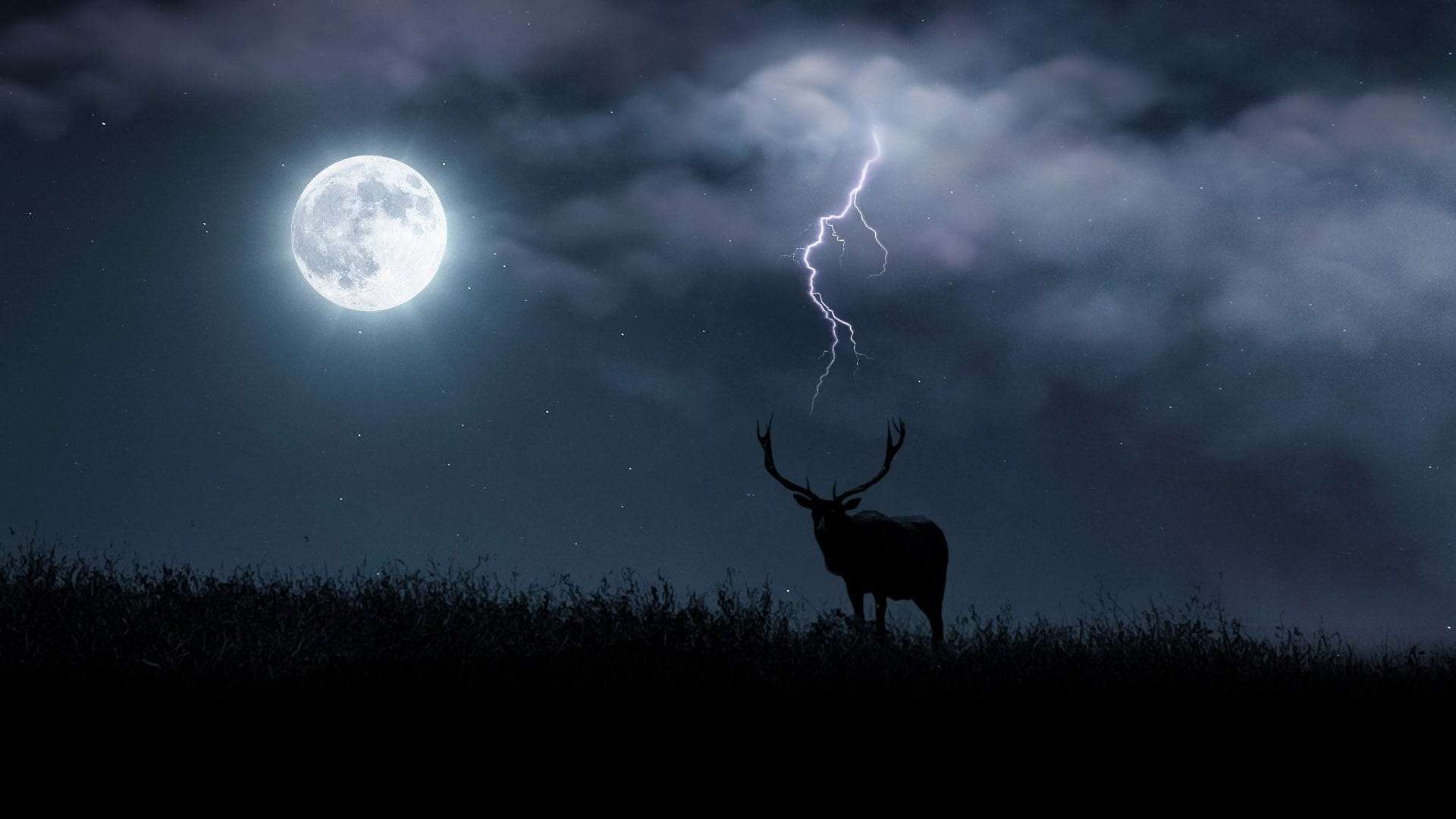
The name Full Thunder Moon reflects the typical July thunderstorms, and the alternate title, Buck Moon, ties to the time when deer grow new antlers. The luminous moon casts long shadows and bathes the landscape in gentle light, creating a magical atmosphere perfect for moonlit walks, photography, or peaceful reflection. Many cultures hold deep spiritual and cultural reverence for the full moon, marking it as a special occasion for contemplation and celebration.
- Categories:
- Astronomy ,
- News ,
- Space











0 comments
Sign in to Comment