
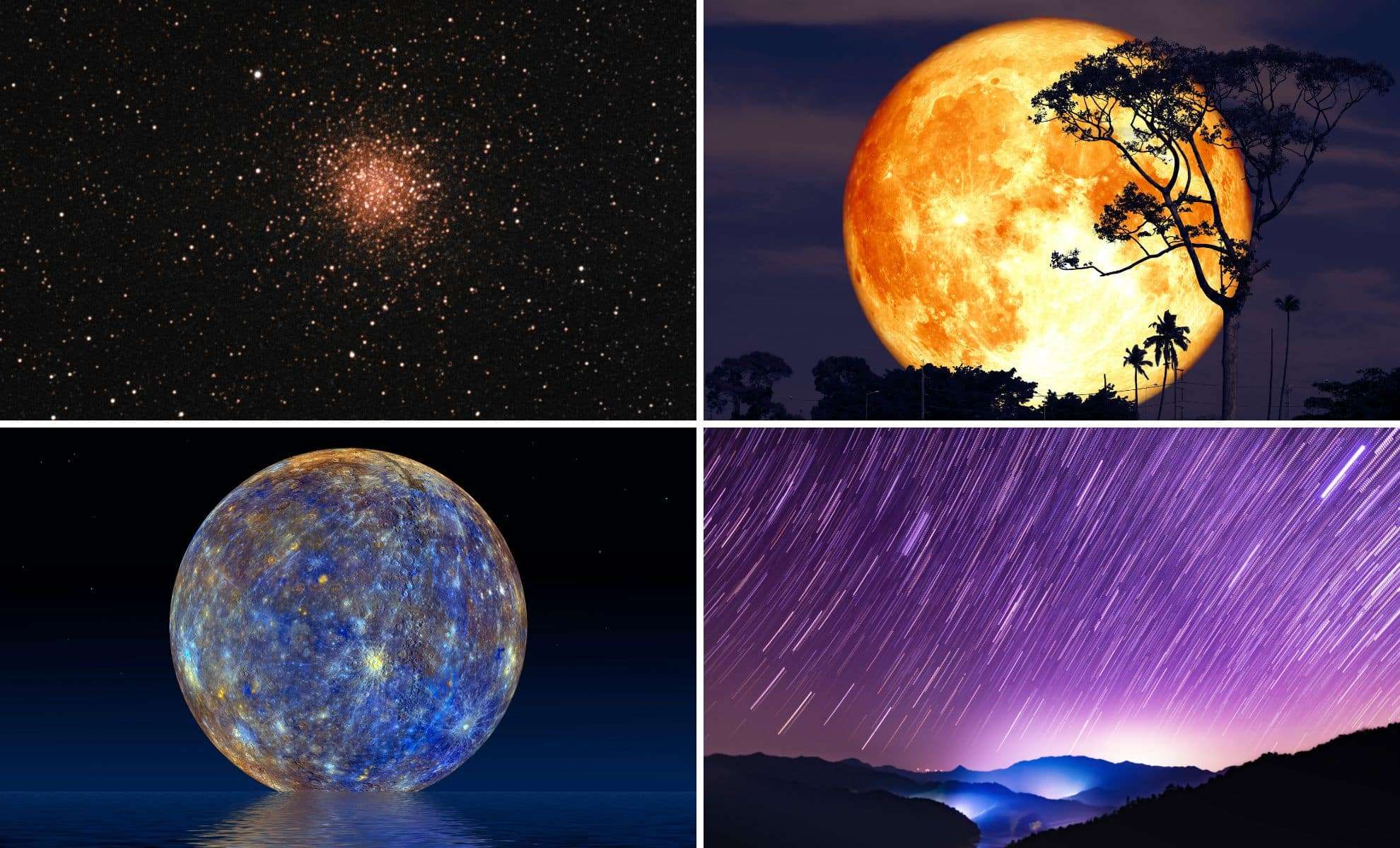
July offers an exceptional array of celestial phenomena for stargazers of all levels. From the glowing ‘buck moon’ to a rare opportunity to observe Pluto, the month is packed with captivating sights. This summer, prepare for impressive planetary alignments, meteor showers, and distant dwarf planet views.
As detailed by National Geographic, July 2025 promises some of the most remarkable night sky spectacles. Below is a thorough overview of the standout events to watch for this July.
Spotting Messier 22: A Stunning Star Cluster Early in July
On July 1, keep an eye on Messier 22, a bright globular cluster situated in the constellation Sagittarius. Around midnight, it reaches its peak elevation in the sky. Located roughly 10,000 light-years away, this cluster can be faintly seen with the naked eye under dark skies, but binoculars or a small telescope will reveal an impressive dense star population.

Mercury’s Best Evening Appearance on July 4
Mercury becomes especially visible on July 4 during its greatest eastern elongation, when it’s farthest from the Sun in the evening sky. Look toward the west-northwest horizon just after sunset for your best chance to see this elusive planet, which is often challenging to spot due to its closeness to the Sun.
The Buck Moon Illuminates the Sky on July 10
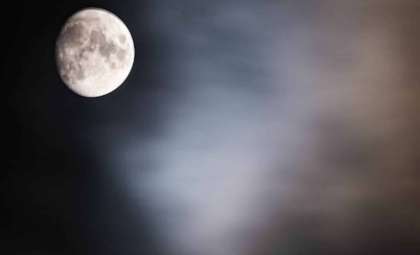
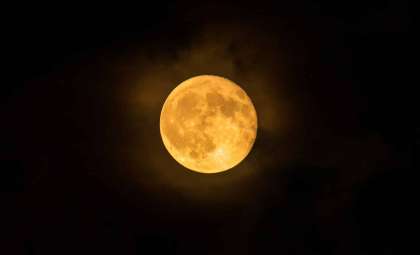
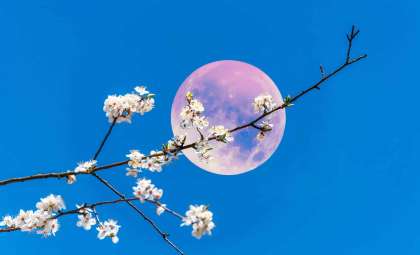
The full moon on July 10, known as the ‘buck moon’, marks when male deer begin growing new antlers. This is an excellent time for lunar observation, with the moon’s surface details like the Tycho Crater and the maria (dark plains) standing out vividly, especially when viewed through binoculars.
Moon Meets Saturn and Neptune in Predawn Alignment on July 16
Before dawn on July 16, the moon will align closely with both Saturn and Neptune in the constellation Pisces. Saturn shines brightly and is visible unaided, while spotting Neptune requires a telescope. Notably, Saturn will have begun its retrograde motion three days earlier, shifting its direction across the sky.
Crescent Moon Near the Pleiades on July 20
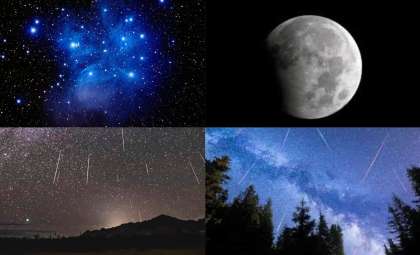
Just before sunrise on July 20, the slender crescent moon will pass within one degree of the Pleiades star cluster, also called the Seven Sisters. Although usually prominent in winter, the Pleiades can still be seen in late July, offering a beautiful sight when paired with the moon, especially with binoculars.
Pluto Reaches a Rarely Bright Position on July 25
On July 25, Pluto will be positioned opposite the Sun from Earth, reaching its closest point to us at perigee. This alignment causes Pluto to appear brighter than usual, creating an ideal moment for observation. Despite this, seeing Pluto requires a powerful telescope and precise star charts, as it remains a faint dot within the constellation Sagittarius.
Moon and Mars Close Together on July 29
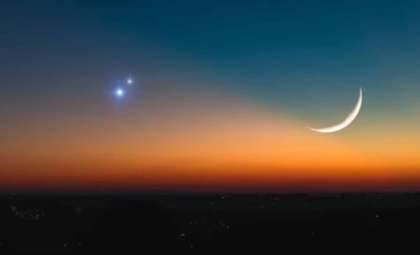
In the evening sky on July 29, the moon will pass near Mars in the constellation Taurus. Although the pair will be low on the horizon, their proximity against the twilight holds a striking spectacle, with Mars’ reddish tint complementing the waxing crescent moon.
Peak of the Southern Delta Aquariids Meteor Shower on July 29–30
The Southern Delta Aquariids will reach their height on the night of July 29 through early July 30. While these meteors tend to be faint, the early setting of the waning crescent moon this year means darker skies for better visibility. You might spot up to a dozen meteors per hour, though the meteor shower will become even more spectacular in August as it coincides with the brighter Perseids.
- Categories:
- News




0 comments
Sign in to Comment