
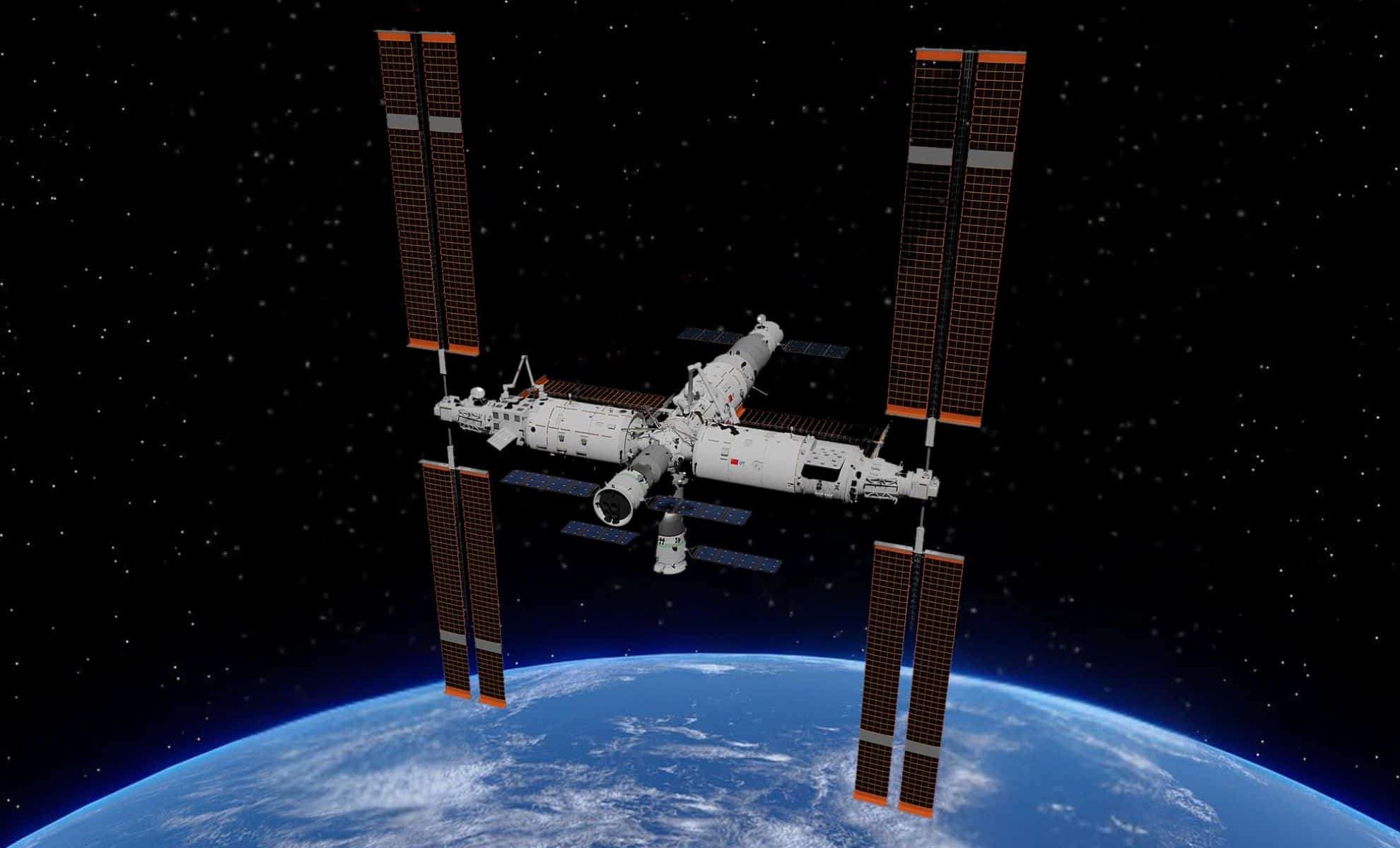
Since its launch in late 2022, China’s Tiangong space station is set to undergo significant growth with new modules, upgraded technology, and increased opportunities for international cooperation.
At the recent International Astronautical Congress held in Milan, Chinese officials revealed their vision for Tiangong’s future, highlighting expansions that will boost the station’s research capabilities and establish it as a key hub in worldwide space science.
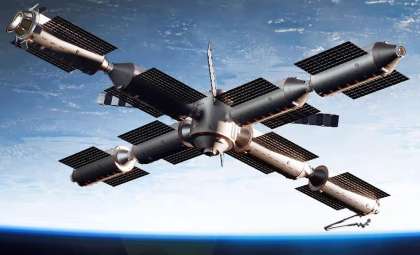
Currently shaped like a T, the station’s design may evolve into a larger cross or “Double-T” formation, enabling more extensive scientific work and enhanced astronaut operations.

Overview of Tiangong’s Design and Research Functions
Meaning “Heavenly Palace,” Tiangong comprises three main segments: the Tianhe core module responsible for life support and command, alongside two specialized research hubs, Wentian and Mengtian. This flexible architecture paves the way for additional modules that will broaden research potentials and accommodate future mission needs. Presently, the station supports up to six astronauts, with capacity increases planned as more sections are integrated.
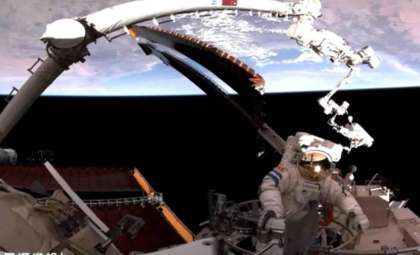
Beyond crew activities, Tiangong enables diverse studies in areas like biology, physics, and materials science by leveraging the unique microgravity setting. Its distinctive airlock system facilitates frequent spacewalks crucial for repairs, equipment installation, and experiments outside the station. Advanced laboratories, including cutting-edge fluid physics facilities, offer scientific opportunities unattainable on Earth.
Plans for Expansion and Next-Gen Spacecraft Introductions
The ongoing upgrade plans aim to broaden Tiangong’s footprint, creating space for more sophisticated experiments and larger-scale scientific projects. According to Li Ming, head of the science and technology committee at the China Academy of Space Technology (CAST), these enhancements will “increase operational capacity” and facilitate a wider array of space science endeavors. China is also set to launch Mengzhou, a partially reusable spacecraft designed for missions in both low Earth orbit and lunar environments. Scheduled for deployment in 2027, Mengzhou will accommodate up to seven astronauts, enabling larger crews to visit Tiangong.
Mengzhou will be integral to China’s lunar ambitions, supporting efforts to land humans on the Moon by 2030. As a result, Tiangong will transcend its role as a research station, becoming a strategic launch point for deep space exploration.
Global Collaboration and the Role of the Chinese Space Station Telescope
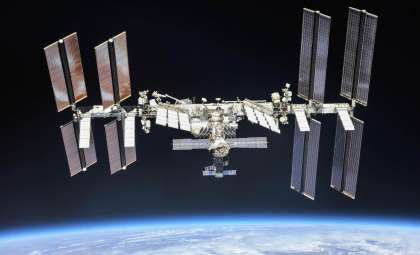
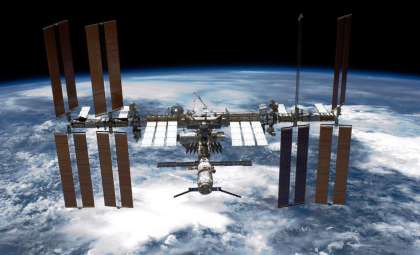
Alongside technical advancements, China plans to foster broader international partnerships through Tiangong. The country has invited foreign astronauts to join missions on principles of “mutual respect, mutual benefit, inclusiveness, and equality.” This inclusive approach could position Tiangong as a pivotal successor to the International Space Station (ISS), which is expected to retire in the near future, offering worldwide scientific communities access to orbital research platforms.
Supporting these initiatives is the upcoming Chinese Space Station Telescope (CSST), or Xuntian. Expected to launch soon, Xuntian will orbit near Tiangong and perform extensive sky surveys, mapping up to 40% of the heavens over a decade. Featuring a 2.5-billion-pixel imaging system, the telescope will have docking capabilities to Tiangong for repairs and system upgrades, enhancing the breadth of space observation and complementing ongoing research aboard the station.






0 comments
Sign in to Comment