
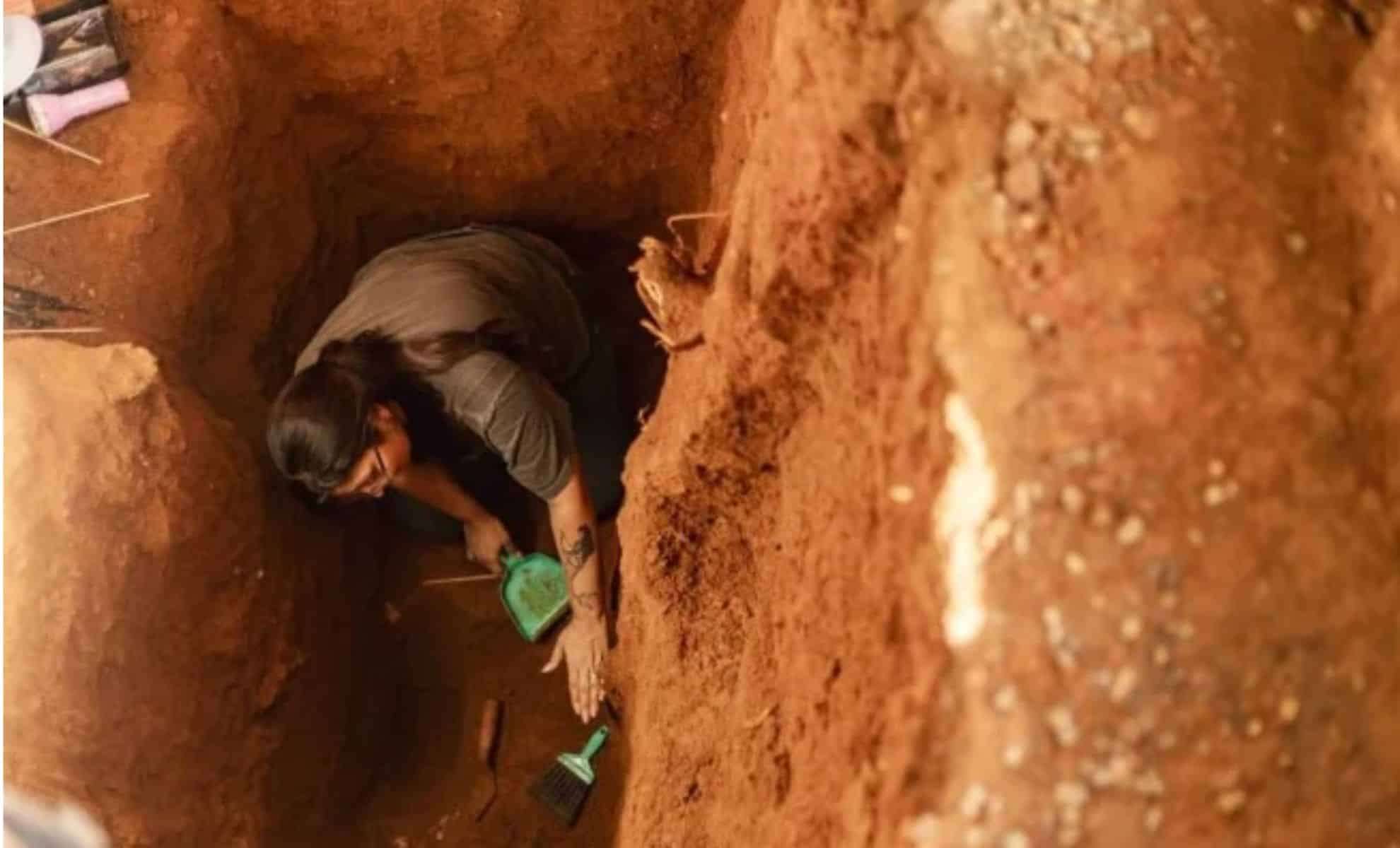
In Salvador, Bahia, Brazil, archaeologists have uncovered what might be the largest cemetery for enslaved individuals in Latin America. As reported by The Jerusalem Post, this vast burial site contains over 100,000 human remains and is now known as the Archaeological Site Cemetery of the Africans.
Revealing a Forgotten Chapter Beneath a Contemporary Urban Space
Excavations commenced in mid-May at the Pupileira Complex, property of the Santa Casa de Misericórdia da Bahia. Though the surface comprises a museum, college, and event venues, it conceals a historical cemetery hidden for centuries. Early trenches measuring 1 by 3 meters and subsequently enlarged uncovered bones and teeth located about 2.7 meters underground. Researchers established that the cemetery was buried deliberately after closing in 1844, masking it from public knowledge.
Known historically as the Campo da Pólvora Cemetery, the site was in use for roughly 150 years, spanning from the late 1600s until closure over health concerns. It served as the burial ground not only for enslaved Africans but also for several marginalized groups, including those involved in the Malê Revolt of 1835—a rebellion featuring approximately 600 Africans, some of whom likely rest at this site.

Tracing History Through Detailed Archaeological Work
Architect and urban planner Silvana Olivieri identified the cemetery’s precise location during her doctoral studies at the Federal University of Bahia (UFBA). She used 18th-century Salvador maps, combined with Santa Casa records and prior archaeological data, to locate the burial ground.
Olivieri highlighted the cemetery’s immense cultural importance, describing it as “a sacred space for Bahia’s Black community and anyone who connects with those interred there.”
This revelation holds symbolic weight, fostering a connection between current generations and their ancestors. Archaeologist Luiz Antônio Pacheco remarked, “Layers of landfill made this cemetery invisible, erasing part of the city’s true history. Yet, it lay hidden, awaiting rediscovery. This is a moment of historical justice.”
Safeguarding Fragile Traces from a Difficult History
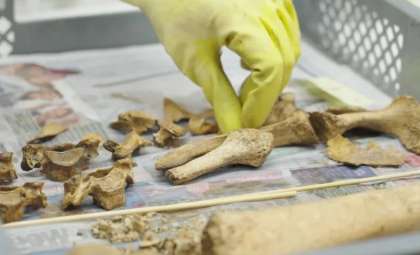
The remains discovered are exceptionally fragile due to acidic and moist soil, prompting archaeologists to refrain from removing them or releasing any photographs. Specialists have applied conservation materials to preserve the delicate bones for ongoing and future examination, protecting this archaeological site with great care to maintain its integrity for continued research.
- Categories:
- News








0 comments
Sign in to Comment