
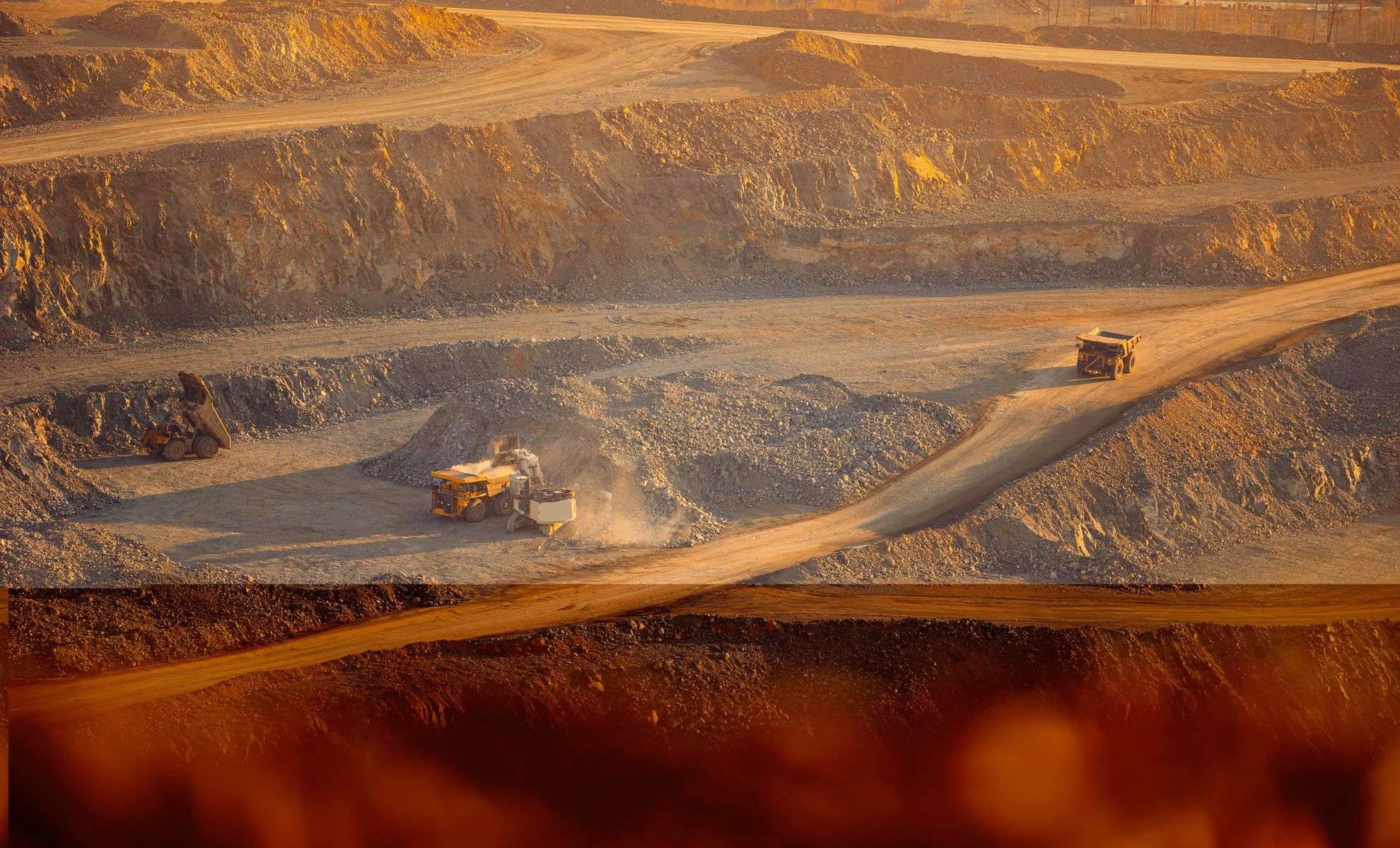
The Berkeley Pit located in Butte, Montana, has long been recognized as an environmental hazard due to its acidic, contaminant-rich waters spreading pollution into neighboring ecosystems. However, this environmental menace is now gaining attention for an entirely new reason: its potential as a reservoir of rare earth minerals.
Turning Environmental Hazards into Resource Opportunities
The history of the Berkeley Pit is intertwined with Butte’s copper mining boom, which left behind extensive toxic water deposits after mine operations ceased in 1982. While these acidic waters, laced with hazardous substances, posed ecological challenges for decades, their unique chemical makeup—rich in metals such as copper, zinc, and various rare earth elements—has turned the site into an unexpected resource pool.
The New York Times reports that Montana Resources, the contemporary mining operator, is pioneering methods to recover these valuable metals by employing cementation, a process involving scrap iron to draw copper from the pit’s acid waters.

This ingenious technique channels water from the Berkeley Pit over heaps of scrap iron, enabling the extraction of copper from the toxic liquid with remarkable efficiency.
Harvesting Critical Rare Earth Metals from Polluted Waters
Rare earth elements (REEs) play an indispensable role in manufacturing components such as high-strength magnets for electric cars, healthcare devices, and military technology including missiles and spacecraft. For instance, approximately 900 pounds of rare earth materials are embedded in each F-35 fighter jet.
Wastewater streams present a promising avenue for mining these elements, with estimates suggesting they contain metal quantities worth trillions of dollars. As Peter S. Fiske, head of the National Alliance for Water Innovation at Lawrence Berkeley National Lab, puts it, “Water is the ore body of the 21st century.” Emerging technologies now allow researchers to effectively sift through wastewater byproducts to extract high-value metals.
Additionally, scientific teams at Indiana University are exploring rare earth recovery from coal byproducts such as fly ash and tailings, while experts at the University of Texas at Austin have engineered advanced membranes to separate rare earths from waste. These innovative approaches offer faster, cost-effective, and environmentally gentler alternatives to conventional mining.
Extracting Rare Earth Metals from the Berkeley Pit
Among the rare earth elements present in the Berkeley Pit’s contaminated waters, neodymium and praseodymium stand out due to their critical use in crafting high-performance magnets used across multiple industries. The U.S. is keenly focused on securing independent supplies of these materials to reduce dependence on China, which dominates global production.
Mark Thompson, vice president of environmental affairs at Montana Resources, highlighted the transformation enabled by these efforts: “By recovering rare earths from the Berkeley Pit, we’re converting a massive environmental liability into a strategic asset that supports national defense.”
Advancing Sustainable and Eco-Friendly Mining Solutions
Conventional rare earth mining is notorious for its environmental devastation, involving substantial land disturbance and usage of hazardous chemicals. The innovative recovery techniques emerging in the Berkeley Pit and comparable sites represent a significantly cleaner and more sustainable alternative.
Paul Ziemkiewicz, director of the Water Research Institute at West Virginia University, has extensively studied the Berkeley Pit and developed a filtration method to capture rare earths from acid mine drainage by isolating concentrated sludge, which is then refined to extract pure elements. “A key advantage of acid mine drainage is that the resultant concentrates are notably rich in heavy rare earth elements,” he notes.
If these initiatives reach full potential, the Berkeley Pit could annually yield up to 40 tons of rare earth metals, establishing it as a major domestic source of these indispensable minerals.
- Categories:
- News












0 comments
Sign in to Comment