
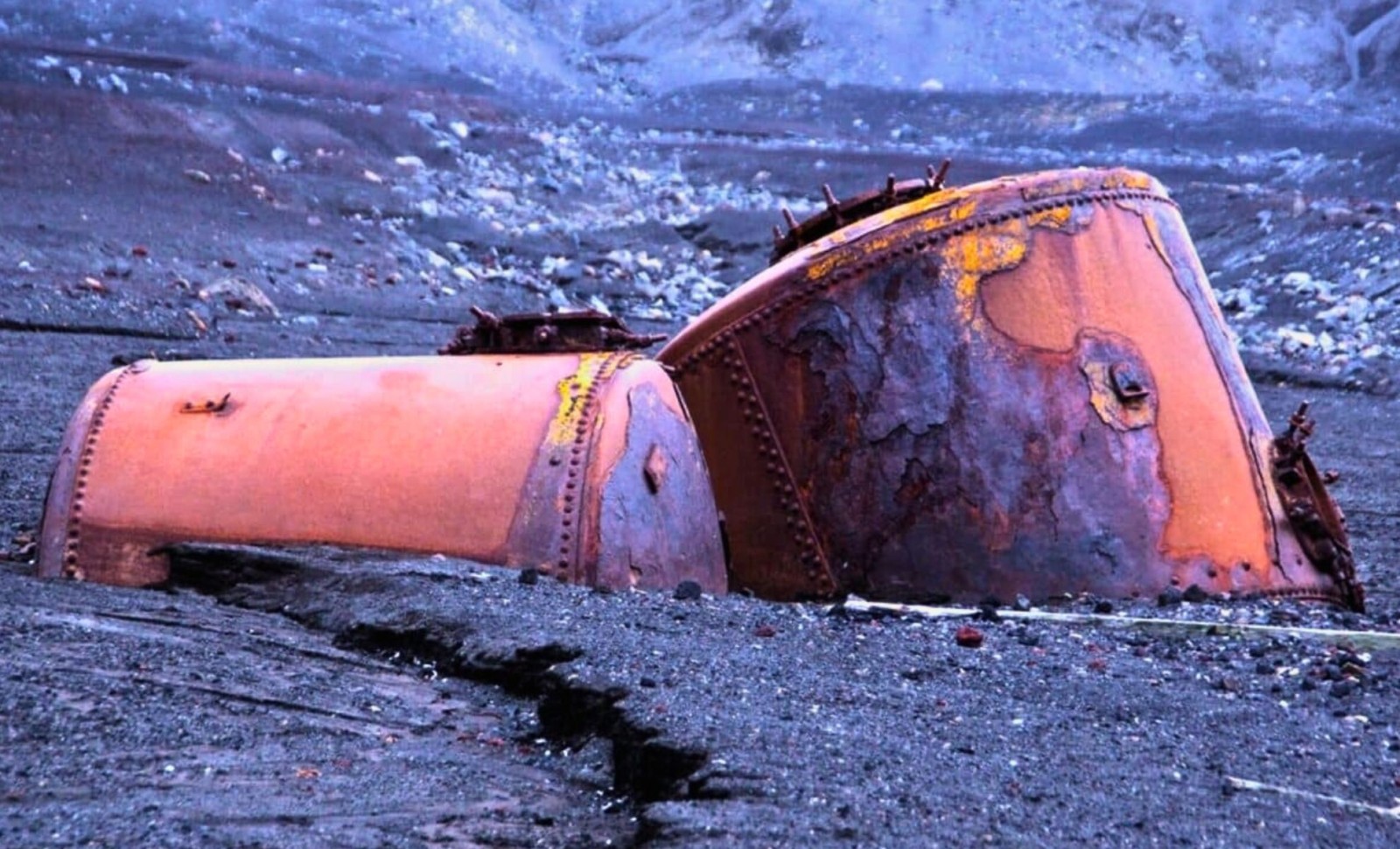
A massive oil reserve estimated at 511 billion barrels has been detected by Russian exploration teams beneath the Weddell Sea, an area claimed by the United Kingdom within Antarctica. If these figures hold true, this find would be among the largest known untapped oil fields on the planet, surpassing Saudi Arabia's deposits and exceeding the North Sea’s cumulative output over fifty years by a factor of ten.
The revelation was shared during a mid-2024 presentation to the UK Parliament’s Environment Audit Committee (EAC), igniting alarm within diplomatic and scientific circles. This discovery challenges the principles of the 1959 Antarctic Treaty, which strictly forbids extraction of resources and militarization in Antarctica.
Russian authorities assert their research operations comply with the treaty’s terms. However, as geopolitical rivalries escalate and polar resource competition heightens, analysts caution that this newfound oil wealth may intensify legal disputes and strategic tensions in the Antarctic region.

A Monumental Oil Find
During a May 2024 session of the EAC, Russia disclosed seismic survey results estimating up to 511 billion barrels beneath the Weddell Sea. According to Newsweek, this data has yet to undergo public scientific validation and has sparked concerns that Russia might be engaging in resource exploration disguised as scientific research.
The area involved lies within the UK’s claimed Antarctic territory, which overlaps with claims by Chile and Argentina. Although these territorial disputes exist, the Antarctic Treaty suspends them and dedicates the continent exclusively to peaceful scientific endeavors.
At the hearing, Professor Klaus Dodds, an expert in geopolitics from Royal Holloway, University of London, warned that Russia’s activities could represent a potential threat to the long-standing prohibition on mineral extraction. He emphasized concerns that seismic surveys could be reframed as preliminary resource prospecting.
Professor Dodds added that Russia’s increasing involvement should be viewed as an effort to challenge the conventional norms surrounding seismic research in Antarctica.
The Antarctic Treaty’s Protective Role
Originally signed in 1959 by 12 nations and now ratified by 58, the Antarctic Treaty designates the continent as a demilitarized zone devoted to scientific partnership. It explicitly bans economic exploitation in Article I, freezes sovereignty claims in Article IV, and requires inspection regimes in Article VII.
Despite the treaty’s robustness, enforcement remains weak. Its compliance relies heavily on self-regulation, lacking an overseeing international authority to impose sanctions, leaving Antarctica exposed to subtle breaches under plausible deniability.
While Russia is a founding treaty member, it does not acknowledge the UK's territorial claims here, a stance shared by the United States and China. However, Russia, like the US, asserts a “basis of claim” that grants some political influence without formal sovereignty declarations.
Since 1957, Russia has established five research bases in Antarctica and expanded seismic activities in recent years. Some experts believe these efforts, while framed as scientific, likely have secondary goals of identifying exploitable resource zones.
“Russia has repeatedly assured the Antarctic Treaty Consultative Meeting that these activities are for scientific purposes,” said David Rutley, a junior minister at the UK Foreign Office, during the May 2024 hearing. “They have to be held to account on this.”
Antarctica’s Emerging Role in Energy Geopolitics
The ramifications extend well beyond Antarctic governance. Amid global energy uncertainties and geopolitical upheaval following the Ukraine conflict, untapped hydrocarbon reserves—even those in protected regions—are increasingly perceived as vital strategic resources.
For Russia, facing extensive Western sanctions and long-term disruptions in fossil fuel markets, Antarctica may serve as a critical fallback option. Its close cooperation with China in polar affairs adds further complexity to the region’s political dynamics.
In 2022, Russia and China jointly opposed proposals by other signatories to enlarge marine protected zones in Antarctica, which was widely seen as a challenge to Western-led environmental initiatives and an indication of their ambitions for the continent.
Although the Antarctic Treaty bans drilling operations, it does not specifically prohibit geological or seismic surveys, creating a murky legal landscape that resource-driven nations might exploit without overt treaty infractions.
As Professor Dodds noted during testimony, Russia’s actions are best understood as part of a broader pattern of “strategic rivalry” that is increasingly pronounced in the Antarctic context.
- Categories:
- News









0 comments
Sign in to Comment