
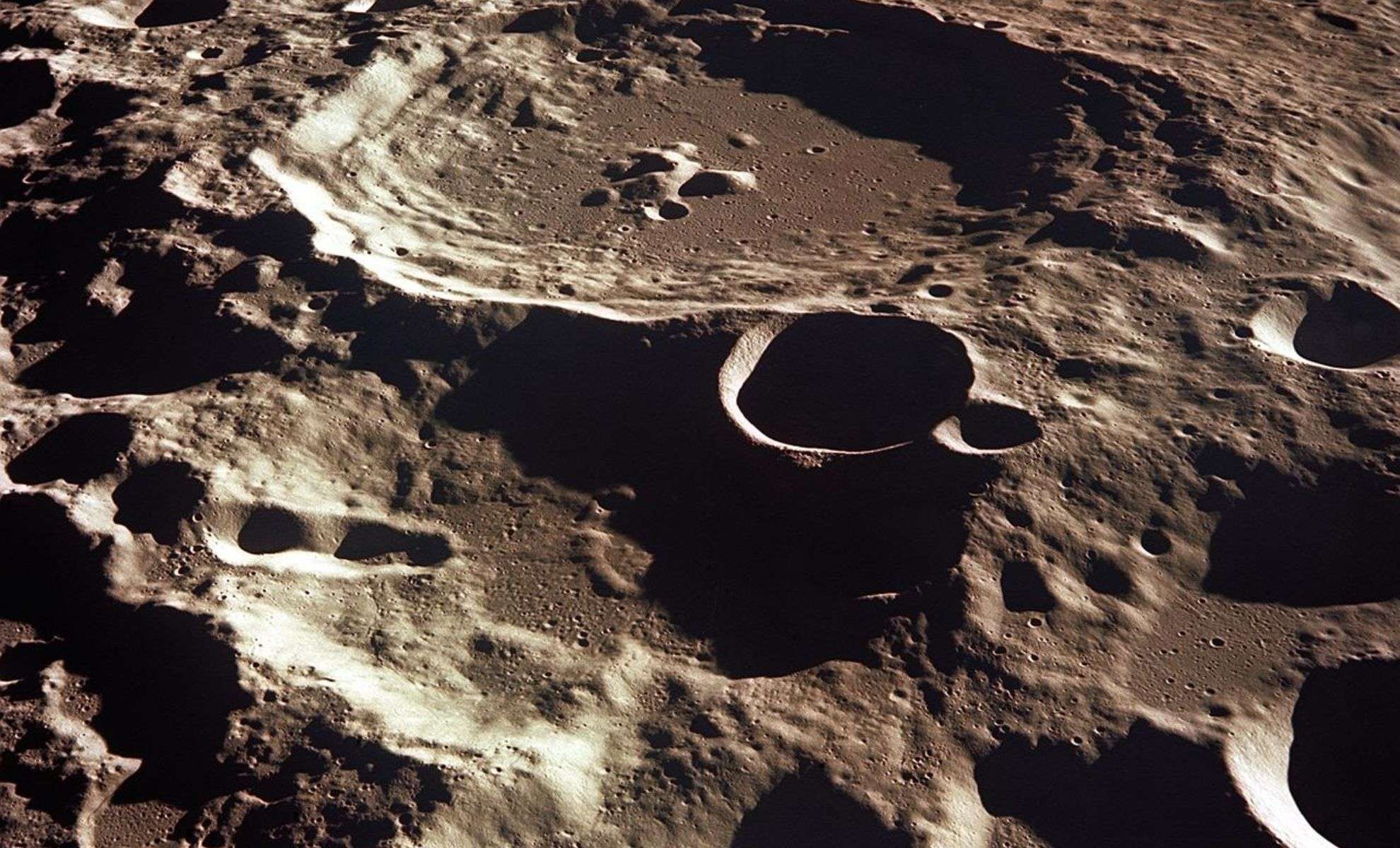
Recent studies indicate that the Moon’s far side—often dubbed its “dark” side—is significantly drier than researchers previously believed. These surprising insights, derived from samples brought back by China’s Chang’e 6 mission, could profoundly change our understanding of water distribution on the Moon and its implications for future exploration.
Unequal Distribution of Lunar Water
According to findings reported by the Natural History Museum, water exists on the Moon in multiple forms, including ice lodged within shadowed craters and minuscule amounts embedded inside lunar soil and minerals. Although previous discoveries already challenged the notion of a completely dry Moon, the latest data from Chang’e 6 illustrate an even more intricate narrative.
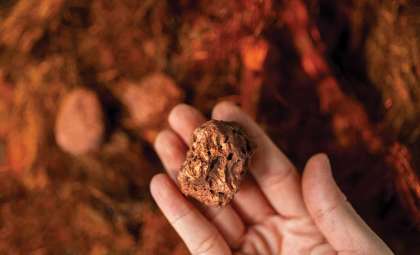
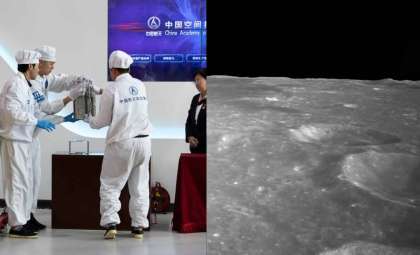
Examination of rock and soil extracted from the Moon’s far side revealed water levels between 10 and 100 times lower than those recorded in samples from the near side, which perpetually faces Earth, as detailed in the research published in Nature.

Professor Sara Russell, a scientist studying water origins within the Solar System, remarked on the significance of this disparity. “Until now, no one had really proposed that water would be unevenly distributed across the lunar surface,” she said. “Our understanding was skewed because we’ve mostly studied near-side samples.”
While prior analyses of Apollo mission and lunar meteorite samples overturned the earlier assumption that the Moon was entirely devoid of water, this newly identified unevenness raises intriguing questions about the Moon’s formation processes and thermal evolution.
Clarifying the Concept of the Moon’s “Dark” Side
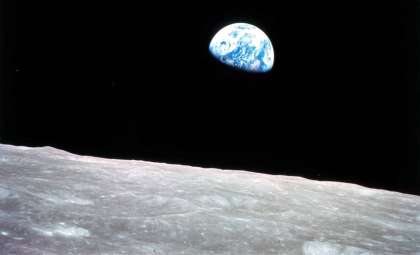
Though popularly called the “dark side” of the Moon, the far side isn’t perpetually shadowed. The label originates from its historical invisibility from Earth rather than from darkness. Because the Moon is tidally locked to Earth, we always view the same hemisphere. As the Moon rotates and revolves simultaneously, its far side remains hidden from our direct view, hence its nickname.
In fact, every section of the Moon experiences roughly two weeks of daylight followed by two weeks of night. Imagery from space missions dating back to the 1950s, such as Apollo 11, reveals that the far side features a rougher and more heavily cratered landscape compared to the smoother terrain of the near side.
This difference is linked to variations in crust thickness. The far side’s crust is notably thicker, which inhibited molten lava from reaching the surface after impacts by meteorites. On the near side, the thinner crust allowed lava flows to create the lunar maria—the expansive, dark plains visible from Earth.
Insights into the Moon’s Cooling Patterns
The far side’s striking dryness remains an open question, though several hypotheses are gaining traction. One idea proposes that it stems from differences in the Moon’s cooling rates after its formation. The hemisphere facing Earth may have stayed warmer longer due to residual heat from the young planet, while the far side cooled more rapidly. This thermal asymmetry could have influenced how water was preserved or lost in various lunar regions.
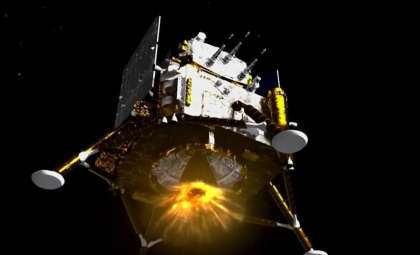
Alternatively, it's possible that the Chang’e 6 landing location, situated within the South Pole-Aitken (SPA) Basin, represents an unusually dry patch. Future missions will be essential to determine if the dryness observed is representative of the entire far side or limited to specific locales.
Data indicates that lunar soil on the near side contains approximately 350 milliliters of water per cubic meter, whereas far side soil exhibits considerably lower quantities. This differential adds complexity to existing theories about the Moon’s water origins.
Tracing the Origins of Water on the Moon
Despite the Moon’s formation in high-temperature conditions, current research suggests its water arrived through external sources. “The prevailing theory is that much of the Moon’s water was delivered via meteorite impacts,” explained Russell. Carbon-rich meteorites, known as carbonaceous chondrites, are prime candidates responsible for depositing this water.
While most of the water remains incorporated within rocks and soil, significant ice reserves have been identified in permanently shadowed craters. These deposits could be crucial for future human missions, offering a supply of drinking water along with resources for fuel production and breathable air.
As lunar missions advance and the prospect of sustained moon bases grows, comprehending the distribution of these vital resources is more important than ever. “Returning astronauts to the Moon is an imminent goal,” stated Russell. “The far side is particularly attractive for establishing bases due to its unique isolation, enabling astronomy and other research free from Earth’s interference.”
- Categories:
- News





0 comments
Sign in to Comment