
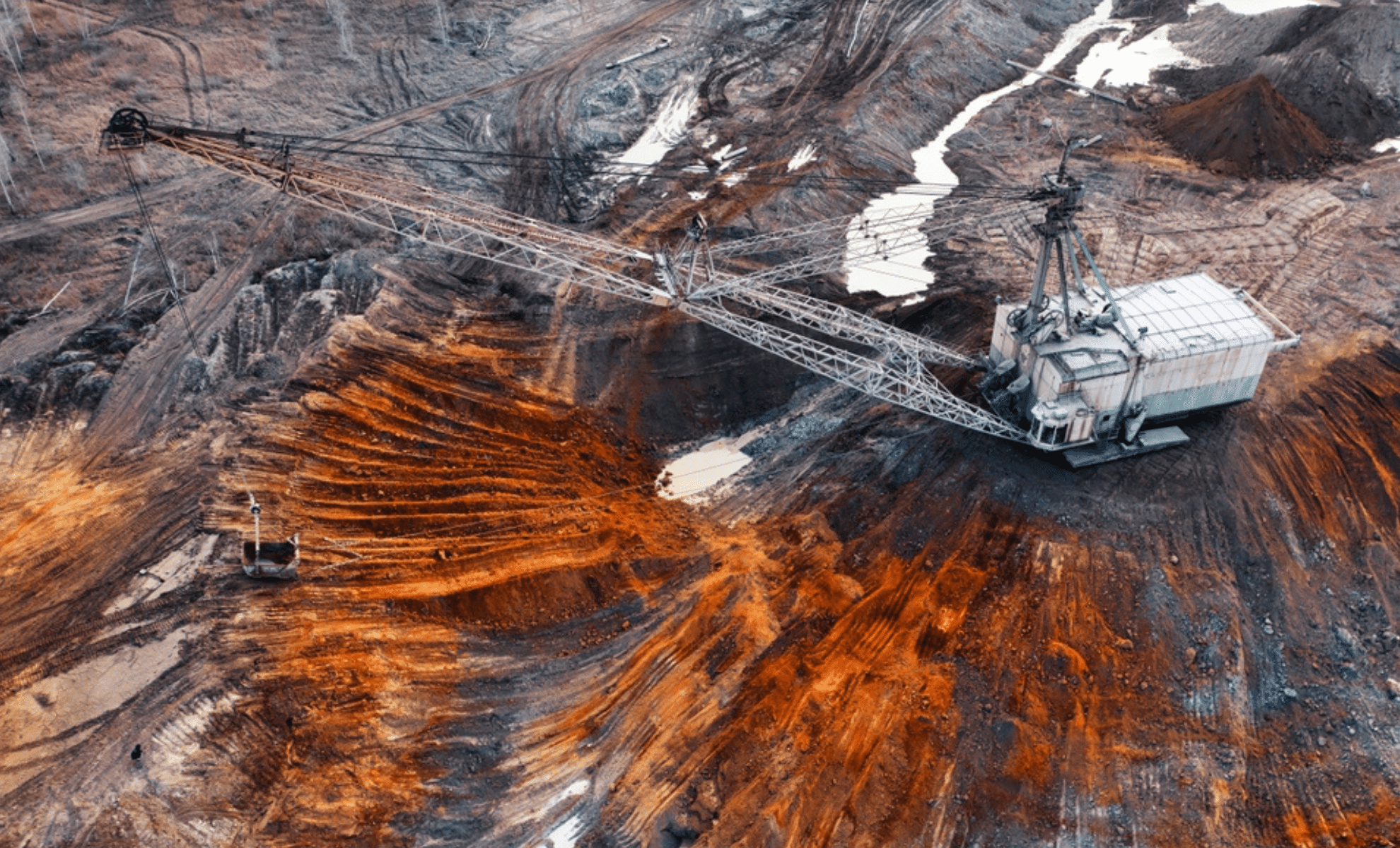
The race to secure rare earth elements—critical components behind everything from electric cars to advanced military aircraft—is reshaping international relations and sparking a new contest for strategic resources. As demand escalates due to rising clean energy technologies and AI advancements, access to these metals is becoming as critical as the oil industry once was.
Data from the US Geological Survey (USGS) reveals China is still the dominant holder, with reserves estimated at 44 million metric tons and annual extraction reaching around 270,000 tons this year. Nonetheless, fresh developments reported by Newsweek and Ça M’intéresse highlight the emergence of several new contenders challenging China’s supremacy in this sector.
Although China accounts for over 70% of the global rare earth supply and processes approximately 90% of it, vast deposits recently identified in Vietnam, Brazil, Russia, and the Dominican Republic—which may harbor as much as 100 million tons—point towards a diversifying global market.

Understanding Rare Earth Elements and Their Growing Importance
Despite their name, rare earth elements are relatively plentiful but pose significant challenges in extraction and refinement. This group comprises 17 metallic elements, predominantly lanthanides such as neodymium, dysprosium, and samarium, valued for their unique magnetic and electrochemical qualities.
A typical smartphone may incorporate over a dozen of these elements. The permanent magnets crucial for wind turbines, electric vehicle motors, and missile guidance systems primarily depend on these metals. According to Ça M’intéresse, permanent magnet uses constitute around 31% of global rare earth utilization, followed by automotive catalysts (18%) and high-performance alloys (18%) present in defense technologies and medical instruments.
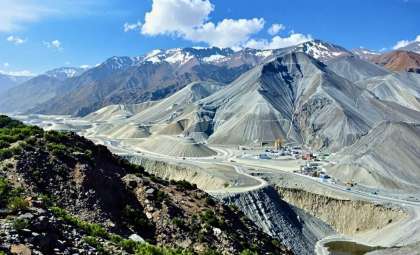
Extracting rare earths is only the initial hurdle—processing them demands extensive water and toxic chemicals, often requiring 1,200 tons of ore to yield just 1 kilogram of lutetium. This environmental cost partly explains why Western nations stepped back from processing operations, leaving China in control for decades.
Global Reserves: Emerging Competitors in a Changing Landscape
China’s dominance persists, but other countries are rapidly advancing. Below is a comparison of the largest known reserves worldwide:
- Dominican Republic – 100 million tons (estimates pending confirmation)
- China – 44 million tons
- Vietnam – 21.6 million tons
- Brazil – 20.4 million tons
- Russia – 20.4 million tons
- India – about 6.9 million tons
- Norway – 8.8 million tons
- Sweden – 1 million tons
- United States – 1.9 million tons
- Greenland (Denmark) – 1.5 million tons (largely untapped)
In Greenland, viewed as a strategic Western frontier, mining company Amaroq is exploring opportunities to diversify rare earth supply chains. CEO Eldur Ólafsson told Newsweek that the island could provide the West with “a reliable source of essential minerals”—assuming exploration advances effectively.
The United States, despite holding substantial deposits, has historically fallen behind in extraction and processing. A recent executive order reintroduced under the Trump administration aims to boost domestic rare earth production, motivated by economic and security imperatives.
Ryan Kiggins, a political science expert at the University of Central Oklahoma, underscores the gravity: “This dependency gives China significant influence over the U.S. in any trade, military, or political confrontation.”
Balancing Strategic Needs with Environmental Sustainability
Western efforts to increase rare earth production face environmental challenges. Extraction processes involve acidic chemicals, radioactive substances, and heavy water usage, raising concerns around sustainable and responsible sourcing. Environmental regulations and permitting continue to slow down rapid expansion of mining operations in democratic nations.
Nevertheless, progress is underway. The International Energy Agency (IEA) anticipates that by 2040, demand for rare earths could multiply between four and six times as governments pursue net-zero emissions goals. Investment focuses include:
- Recovering metals from urban mining and electronic waste recycling
- Developing greener extraction and processing technologies
- Forming strategic alliances with nations like Ukraine and Greenland
- Launching public-private mining ventures in North America and Europe
A 2023 study published by Nature Reviews Materials highlights the potential for rare earth recovery from discarded electronics to substantially lessen environmental impacts, provided infrastructure and policy frameworks improve.
“Failing to invest has consequences,” warns Jane Nakano, an energy and climate policy expert at the Center for Strategic and International Studies (CSIS). “This issue goes beyond technology—it’s a question of geopolitical leverage.”
- Categories:
- News






0 comments
Sign in to Comment