
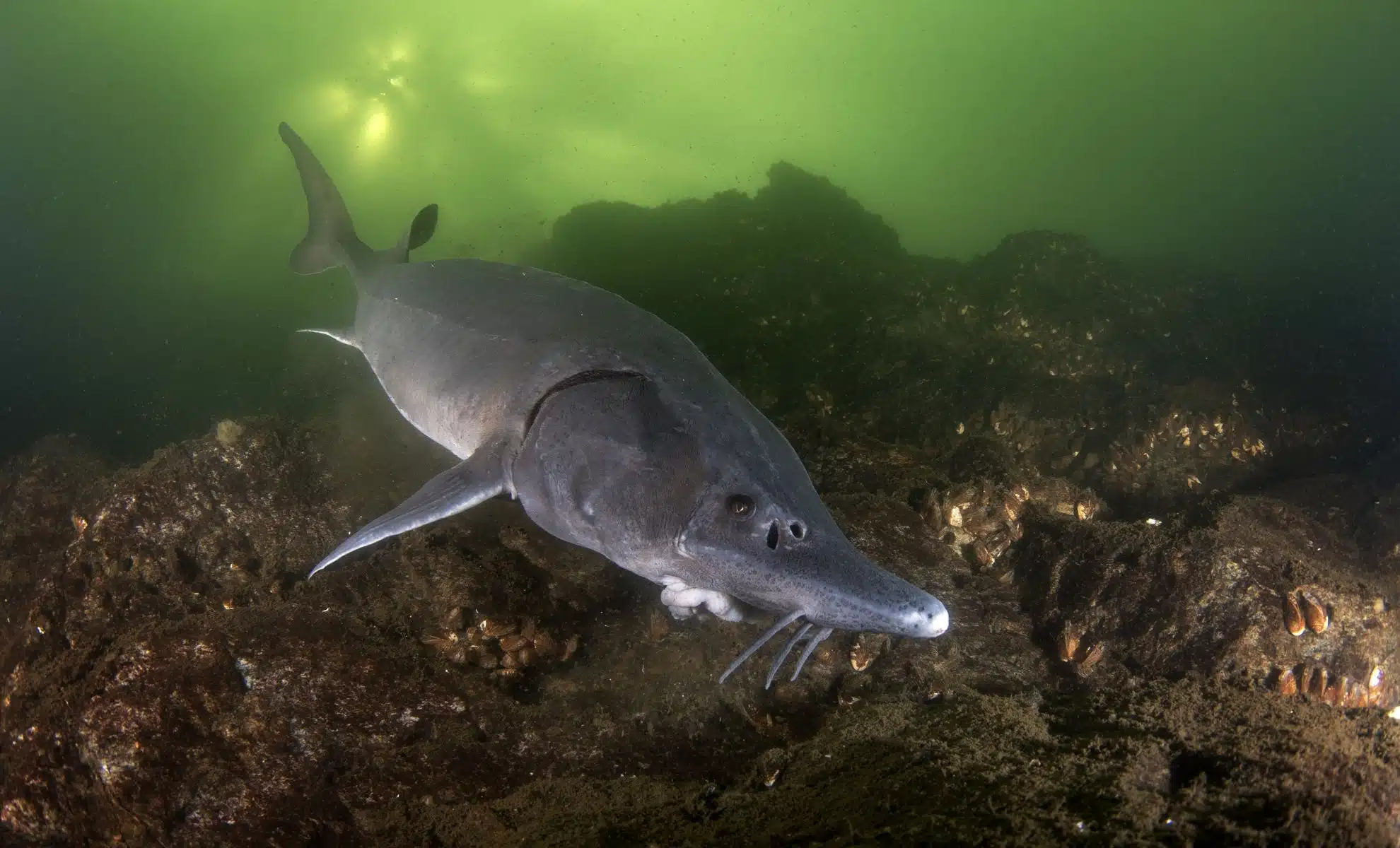
Anglers are gearing up to target one of Michigan’s most ancient aquatic inhabitants in Black Lake. The highly anticipated lake sturgeon season kicks off on February 7, 2026, but anglers will have only a brief window to land their catch. With a stringent harvest restriction of six sturgeon, those fortunate enough to hook one of these “dinosaur fish” join a storied blend of heritage, competition, and conservation.
The Black Lake sturgeon fishing season is a hallmark event in Michigan, attracting a large crowd to the chilly shores. Recognized as living relics, these ancient fish symbolize the state's commitment to preserving a species that has survived since prehistoric times, all showcased within a fleeting fishing period.
The Ancient Giants of the Lakes
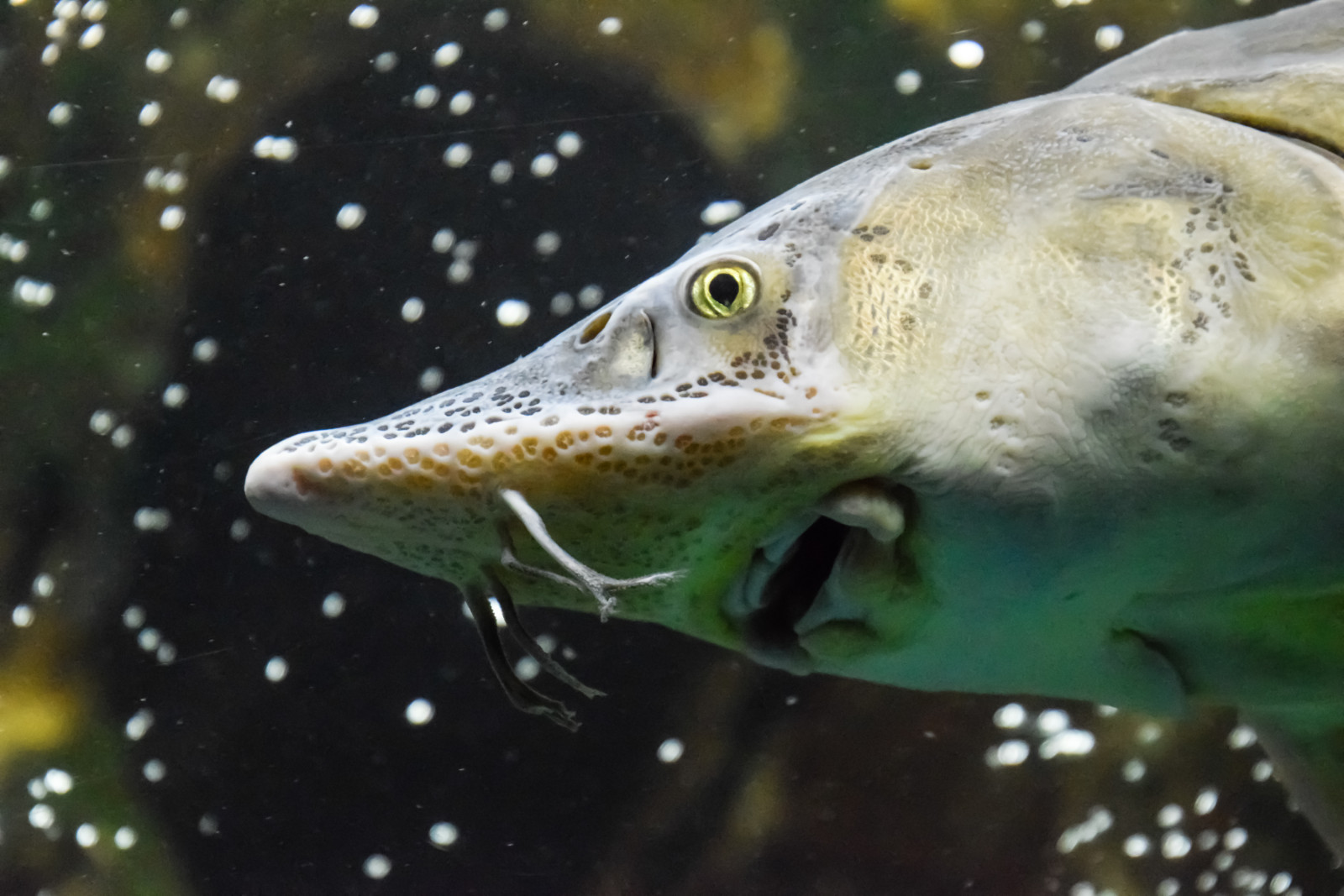
Lake sturgeon represent one of the planet’s oldest fish lineages, tracing back over 100 million years. These remarkable living fossils can reach lengths of up to seven feet and tip the scales at more than 300 pounds. Some individuals boast lifespans exceeding a century, making their nickname, the “dinosaur fish,” well-deserved.

Once plentiful across Michigan’s waters, sturgeon populations sharply declined from overharvesting and habitat degradation. However, dedicated conservation initiatives have recently fostered promising sturgeon recovery. The Michigan Department of Natural Resources (DNR), along with groups like Sturgeon for Tomorrow, have spearheaded efforts to restore Black Lake’s sturgeon numbers.
A Brief but Exciting Fishing Challenge
The annual lake sturgeon fishing at Black Lake is famous for its brevity—once six fish are caught, the season shuts down, frequently within hours. Last year, the entire season lasted a mere 17 minutes, turning the event into an intense rush. Strict regulations and a minimal harvest limit ensure that participants must act swiftly to claim a catch.
Fishing hours are scheduled from 8 a.m. to 2 p.m. daily, with the season closing immediately after the sixth sturgeon is harvested. Anglers must register online by February 6 and possess a valid Michigan fishing license if aged 17 or older. When the season closes, DNR officials notify participants, and all sturgeon catches require immediate reporting. DNA sampling may be conducted to monitor population health.
Black Lake’s Conservation Story: A Collaborative Victory
The thriving sturgeon population at Black Lake is a testament to decades of focused conservation, as highlighted in a recent report by the Michigan Department of Natural Resources (DNR). Over the last 20 years, the DNR has joined forces with local governmental bodies, tribal nations, and academic partners such as Michigan State University to rejuvenate the sturgeon population through restocking efforts, scientific research, and habitat protection.
Crucial to these successes has been the collaboration with Sturgeon for Tomorrow, a nonprofit dedicated to the species' recovery. Thanks to these concerted initiatives, Black Lake now sustains a robust sturgeon community, underscoring the impact of sustained environmental stewardship. The DNR affirms that these conservation measures safeguard both the fishery’s future and the chance for generations of anglers to engage in this exceptional tradition.
- Categories:
- News








0 comments
Sign in to Comment