

NASA appears to be reconsidering its lunar strategy as SpaceX, previously the prime contractor for America’s Moon return efforts, faces ongoing setbacks with its large Starship spacecraft development. In recent statements, NASA’s acting administrator Sean Duffy voiced increasing doubt that SpaceX will meet its 2027 deadline for Artemis III, the mission that aims to land astronauts on the Moon for the first time in decades.
“We cannot afford to wait on a single company,” Duffy declared on CNBC's Squawk Box, addressing the repeated delays by SpaceX. “Their timelines keep slipping, and we're in a competition with China.” This was not an isolated remark. During an interview with Fox News, Duffy confirmed NASA is actively considering options to modify the $2.9 billion contract awarded to SpaceX in 2021 for the lunar lander development.

This reconsideration comes amid critical competition. China’s space ambitions have progressed swiftly, with official plans to send taikonauts to the Moon by 2030. Their achievements in the Chang’e lunar program and the introduction of the heavy-lift Long March 10 rocket highlight their increasing capability for intricate deep-space missions.

Questions Loom Over Starship’s Readiness
Since securing the contract, SpaceX has pushed forward with Starship, a fully reusable spacecraft designed to revolutionize human space travel. However, its development has encountered significant turbulence. By late 2025, Starship has suffered three in-flight failures this year, alongside only limited suborbital successes.
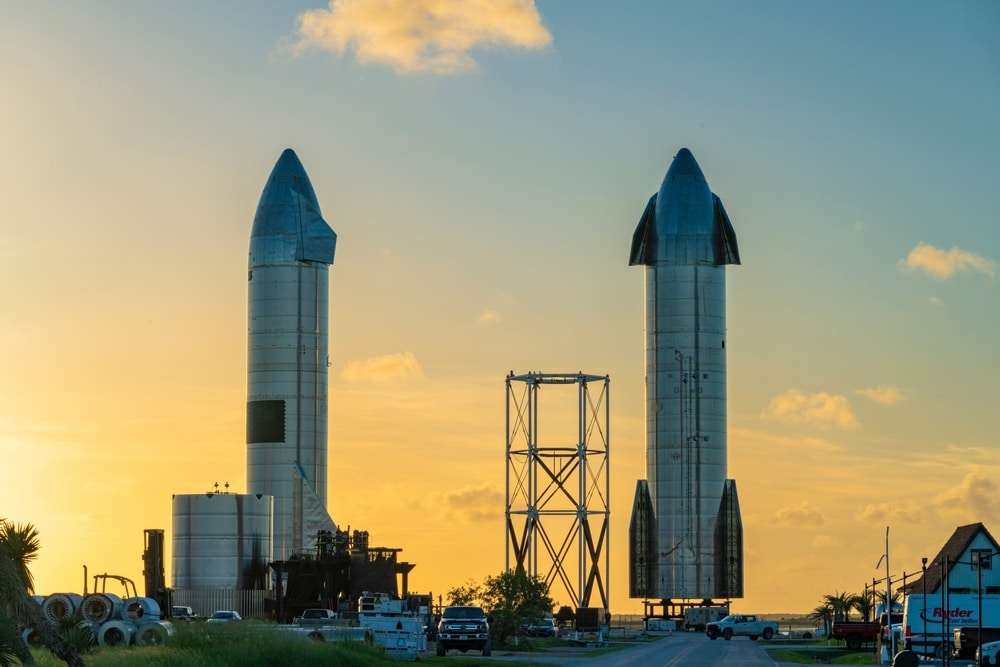
Essential features, such as in-orbit refueling — critical for Starship's lunar missions — have yet to be validated. Experts in the field see this as a considerable hurdle. A senior NASA engineer, who wished to remain anonymous, commented, “The technological leap needed between Starship’s current status and Artemis III’s demands is substantial.” Publicly, Duffy reiterated that depending exclusively on SpaceX could threaten NASA’s goal of outpacing China’s lunar efforts.
According to reporting by CNN, NASA has formally requested both SpaceX and Blue Origin submit accelerated development plans by October 29 to shorten the schedule. Although Starship remains the designated lander for Artemis III, Blue Origin’s Blue Moon lander, originally set for Artemis V, is now being reconsidered as a potential alternative.
Blue Origin Gains New Spotlight
The resurgence of Blue Origin, Jeff Bezos’s space venture, introduces fresh dynamics to the competition. Having secured its NASA contract in 2023, the company’s lander was initially slated for later missions beyond Artemis III. However, given the concerns surrounding Starship’s progress, Duffy suggested Blue Origin could step in if ready sooner. “If SpaceX falls behind and Blue Origin can meet the deadline first, that’s a win for Blue Origin,” he said on CNBC.

Additionally, NASA is expanding its outreach with a broad Request for Information (RFI) aimed at the wider U.S. space industry to identify other companies able to develop lunar landers. This exploratory step opens potential opportunities for firms like Dynetics, which had contended for the lunar contract previously and continues development efforts discreetly. Although an RFI does not guarantee a new contract, it generally signals preparing alternatives.
Underlying this flurry of activity is an unmistakable urgency resembling a renewed space race, akin to the Cold War rivalry with the Soviet Union. However, today’s competitor is China, and the stakes involve strategic advantages beyond scientific achievement. Both nations view lunar bases as vital for future space exploration, resource utilization, and orbital infrastructure development.
Political Pressure Amplifies Momentum
In Washington, Duffy’s cautious stance has resonated with members of Congress. The most recent NASA budget, approval secured via bipartisan support, dedicated over $7 billion for lunar and Martian exploration, driven largely by fears the U.S. risks falling behind China’s space ambitions. The Artemis III timeline is under close congressional watch, with multiple committees demanding detailed quarterly progress reports.
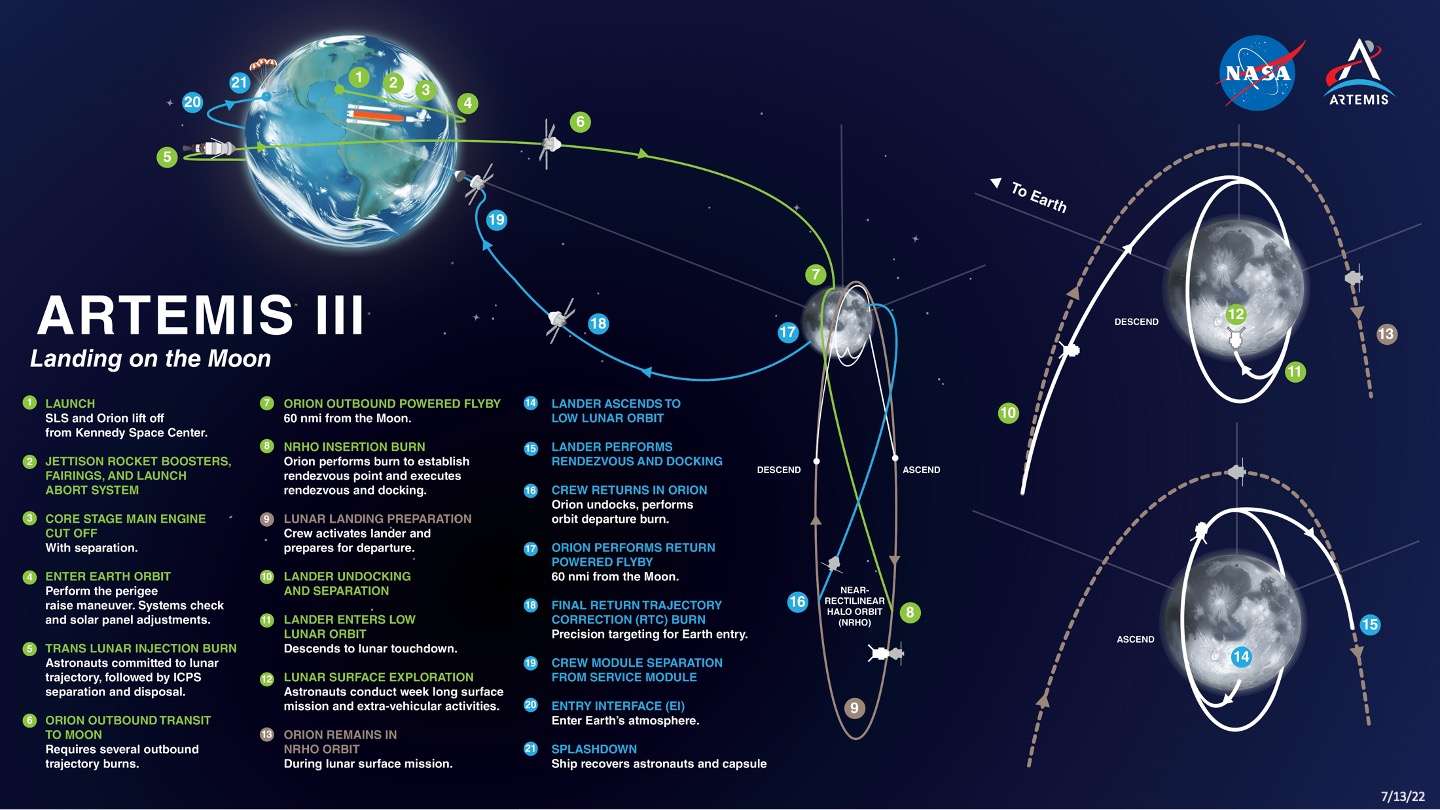
Industry observers suggest NASA’s current approach reflects a need to hedge risks. “Artemis III is too valuable to be stalled indefinitely,” noted Marcia Smith, editor of SpacePolicyOnline.com. “NASA is strategizing to keep options open if its main contractor cannot deliver.”
The agency has yet to confirm whether it will proceed with a formal Request for Proposals (RFP), the subsequent step that would open competitive bidding. Meanwhile, attention centers on the October 29 deadline, when both SpaceX and Blue Origin must outline clear plans to meet NASA’s accelerated lunar schedule.
Should Starship manage rapid, reliable progress—especially regarding orbital refueling—it may retain its leading role. Yet NASA’s abrupt policy pivot signals a growing emphasis on redundancy and adaptability. What started as a straightforward partnership with a single company is now transforming into a dynamic, competitive sprint to the Moon.
- Categories:
- News













0 comments
Sign in to Comment