
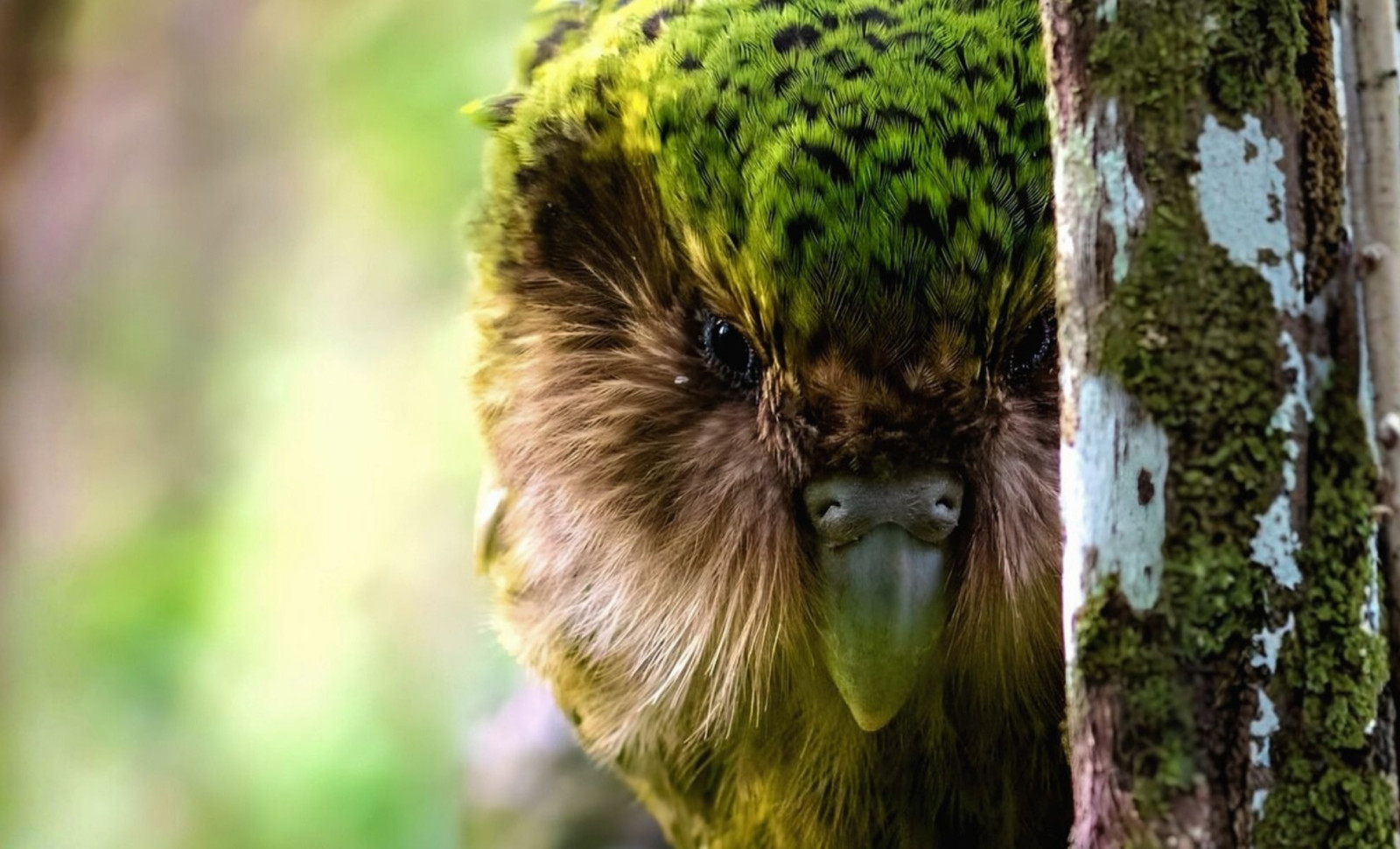
The kakapo, the world’s largest parrot species, is notable for its inability to fly, sporadic breeding habits, and confinement to New Zealand. Known scientifically as Strigops habroptilus, this unique bird has long intrigued scientists and conservationists due to its unusual biology and perilous population status.
At one point, the species faced the brink of extinction, prompting intense conservation efforts. After years of stabilization, a promising resurgence in breeding activity marks a hopeful turn, although the environmental factors driving this remain complex and seldom replicated.
Exhibiting traits rare among parrots, the kakapo is flightless, active mainly at night, lives for many decades, and has evolved alongside an ecosystem that has since largely disappeared. Unlike typical birds, its breeding cycles are irregular, heavily influenced by ecological triggers that challenge conservationists trying to support its recovery.

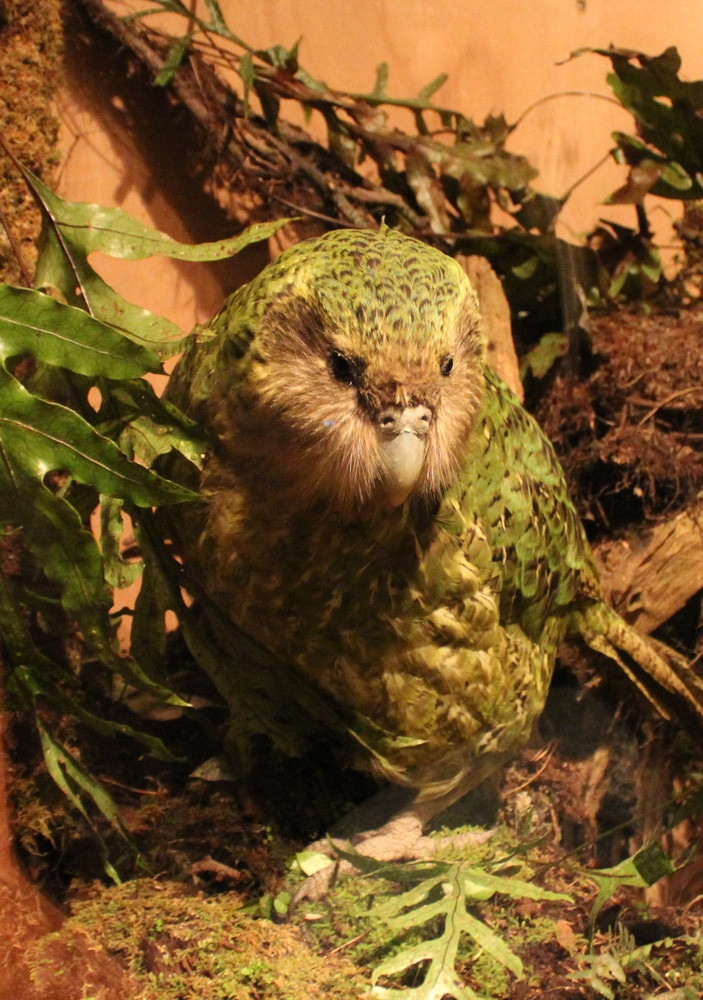
The species had not reproduced for four consecutive years, a cessation severely limiting reproductive opportunities and genetic diversity in this struggling population. Consequently, the renewed breeding activity diagnosed in 2026 represents a crucial milestone, though the full effects of this season are yet to be assessed.
Breeding Resumes After Four-Year Hiatus
In January 2026, New Zealand’s Department of Conservation announced the kakapo’s breeding had recommenced, ending a pause since 2022 with no eggs laid in the interim. With only 236 individuals remaining, including 83 females of breeding age, each reproductive cycle is vital for the species' future.
The kakapo's entire known population now inhabits three isolated predator-free islands off New Zealand’s southern coast. Each bird is closely tracked and cared for, making the recovery program one of the most hands-on conservation efforts worldwide.
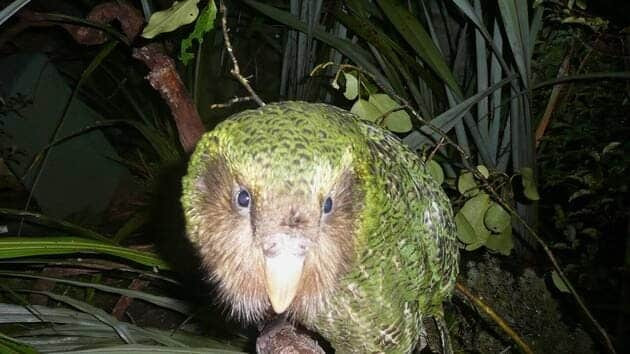
Deidre Vercoe, who oversees the Kakapo Recovery Programme, described the 2026 breeding period as "highly anticipated." According to a CTV News report, she predicted this could be the most prolific breeding season since the program's start thirty years ago.
The previous breeding success in 2022 resulted in 55 chicks hatched, although not all survived. The current season began with observed mating behaviors in early January, and officials expect hatchlings by mid-February depending on incubation timelines.
Ecological Conditions Shape Breeding Patterns
Kakapo reproduction is intricately linked to the fruiting cycle of the rimu tree, an event known as mast seeding. When the rimu does not produce abundant fruit, female kakapos typically do not enter breeding condition, making reproduction highly dependent on natural cycles that are difficult to manipulate.
These mast years, occurring every two to four years, align closely with the kakapo’s irregular breeding pattern. The 2026 breeding resumption points to favourable environmental factors, though comprehensive data on fruiting and climate conditions are pending.
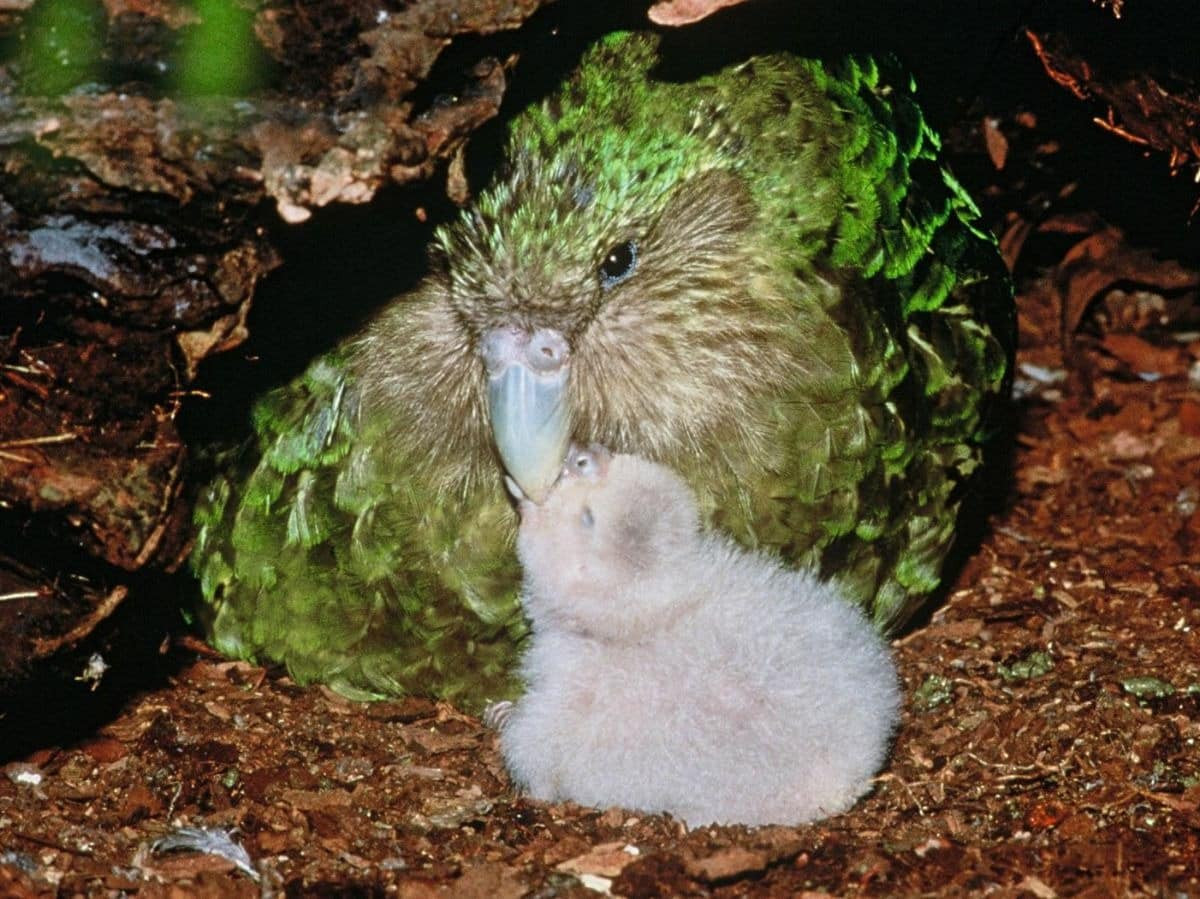
Recent figures show the kakapo population declined slightly from 252 individuals in 2022 to 236 today, attributed mainly to natural aging and disease, including aspergillosis, a fungal infection noted in previous outbreaks.
Careful Stewardship Amid Fragile Recovery
Since 1995, when only 51 kakapos remained, the Kakapo Recovery Programme has been a collaboration between New Zealand’s Department of Conservation and the Ngāi Tahu Māori iwi. The initiative blends traditional conservation techniques with cutting-edge strategies such as genome sequencing, artificial insemination, and remote monitoring.
Due to a significant genetic bottleneck, all existing kakapos descend from very few ancestors, raising concerns about inbreeding. Conservationists now use genetic data to carefully select breeding pairs that minimize genetic overlap, ensuring that each mating contributes to the population's overall health and resilience.
Thirteen breeding seasons have been documented since the programme’s inception, including this current cycle. These efforts have modestly increased population numbers, but require ongoing intervention. Chicks receive close observation, are weighed regularly, and sometimes require hand-rearing to boost survival chances.
Vercoe explained that success metrics have evolved from focusing solely on chick counts to prioritizing the establishment of robust, self-sustaining kakapo populations. As cited by CTV News, the goal now emphasizes thriving populations over mere survival, reflecting a deeper understanding of the complexities involved in long-term species recovery.
- Categories:
- News








0 comments
Sign in to Comment