
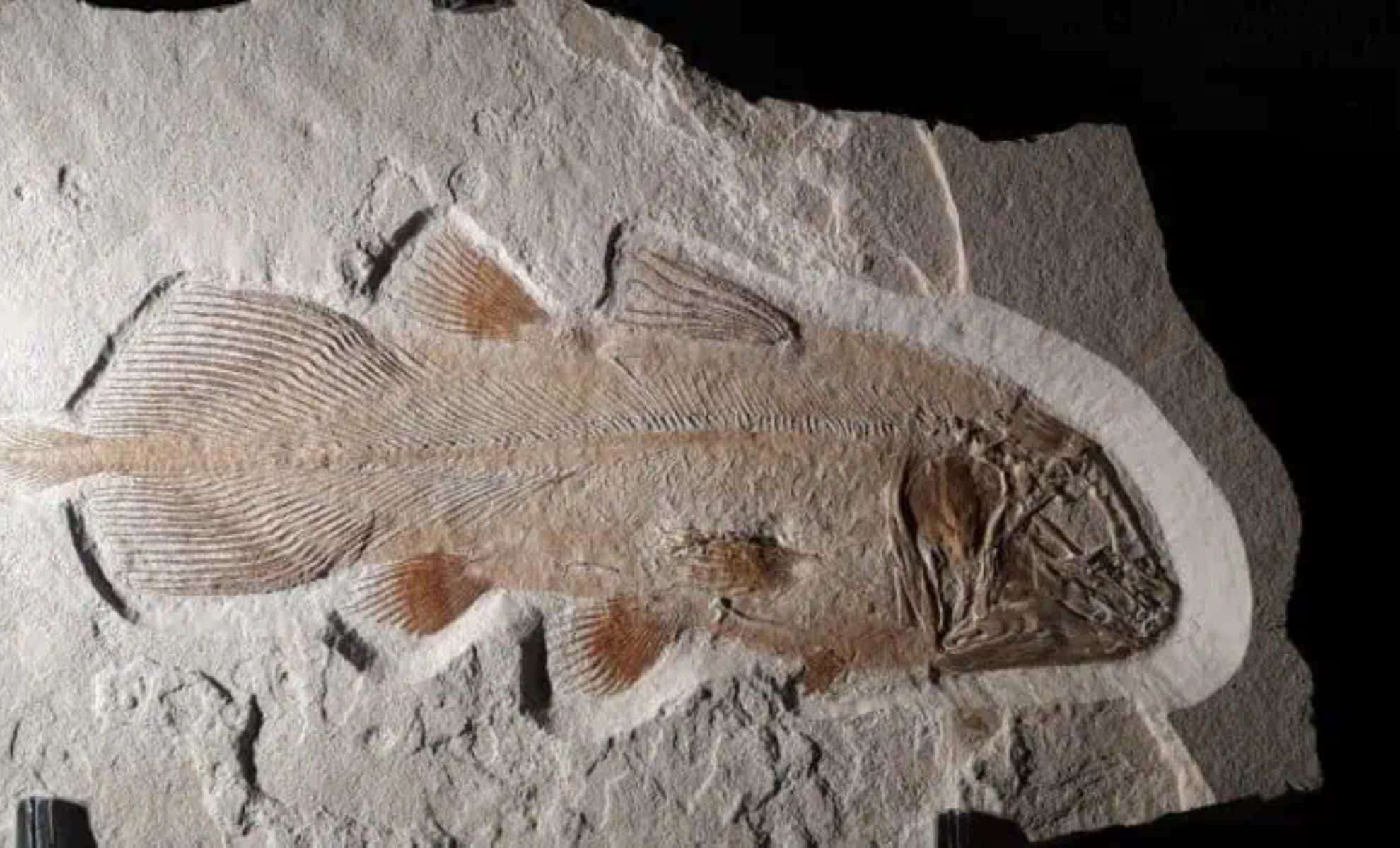
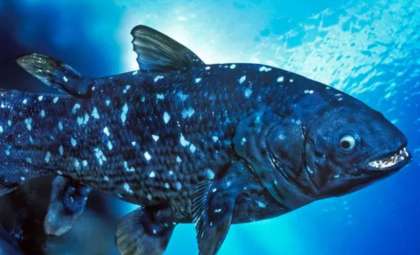
Researchers off California's rugged shorelines have made an extraordinary observation: a living coelacanth, a fish species long regarded as extinct since the time of the dinosaurs 65 million years ago.
A Surprising Discovery Beneath the Waves
During a deep-sea expedition led by Monterey Bay Aquarium Research Institute (MBARI) and the Scripps Institution of Oceanography, scientists encountered an unexpected find.
As detailed in Science Reports, the team examined an underwater canyon approximately 80 miles off San Diego, operating at depths beyond 1,000 meters.
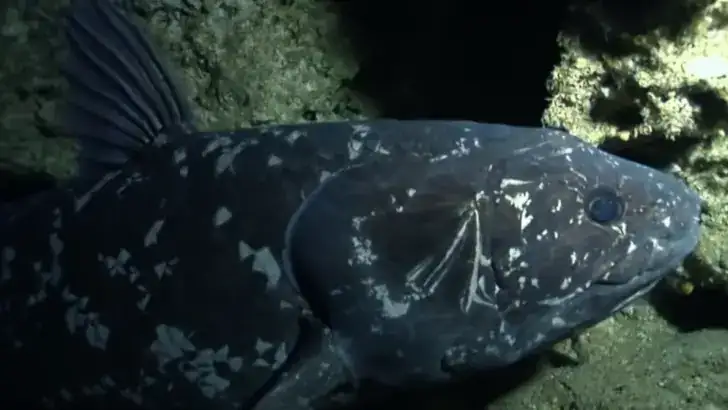
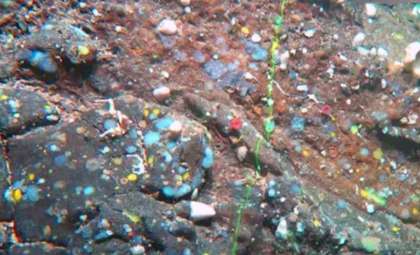
Initially a standard biodiversity survey, the mission became historic when the remotely operated vehicle (ROV) recorded crystal-clear footage revealing the distinctive lobed fins and shape of a coelacanth.
Why Coelacanths Are Called “Living Fossils”
Coelacanths are iconic examples of “living fossils,” species whose forms have remained remarkably consistent over hundreds of millions of years.
These fish emerged in the geological record roughly 400 million years ago. They were believed extinct after the mass extinction event that eliminated the dinosaurs.
However, in 1938, a living coelacanth was unexpectedly discovered near South Africa, rewriting scientific assumptions.

This new sighting off California is crucial because it could indicate a broader habitat range for these ancient fish.
Until now, coelacanth sightings have been predominantly near the Comoros Islands in the Indian Ocean, Tanzania, and Indonesia.
The recent observation along the U.S. West Coast suggests their distribution may be more widespread than previously believed.
Linking Evolution Through Time
The coelacanth is vital to evolutionary biology as a member of the lobe-finned fishes, ancestors of all four-limbed vertebrates, including amphibians, reptiles, birds, and mammals.
Their lobed fins consist of bones and joints resembling those seen in land vertebrates.
Spotting a coelacanth off California provides a unique chance to explore this evolutionary “missing link” within its natural setting, potentially shedding light on transitions that took place around 375 million years ago, when vertebrates first ventured from water to land.
Exploring Genetics and Habitat Conditions
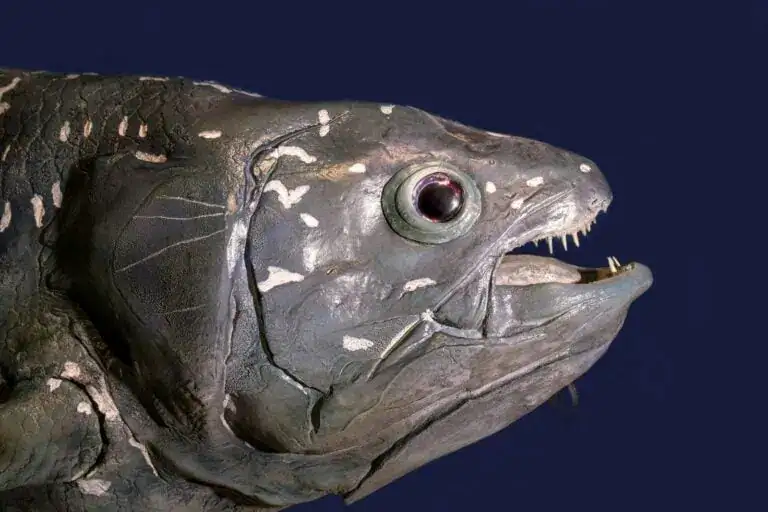
After capturing the coelacanth on video, scientists collected environmental DNA (eDNA) from the surrounding seawater to confirm its identity.
Preliminary genetic studies indicate this specimen could belong to the African species, Latimeria chalumnae, or might represent a new, previously unknown species.
Genome sequencing is ongoing to determine if this group diverged long ago and has remained isolated off California's coast for millions of years.
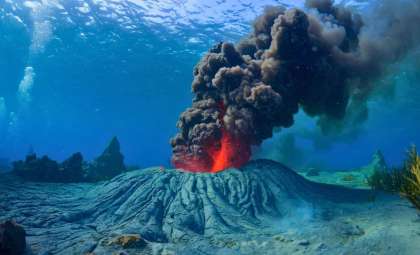
The deep habitat where the fish was found features steep rocky slopes, submarine caves, and volcanic formations.
Situated along the continental shelf at depths between 1,000 and 1,300 meters, the area mirrors coelacanth habitats known in the Indian Ocean.
Strong upwelling currents bring nutrient-rich waters, supporting diverse marine life.
Year-round water temperatures are cool and steady, ranging from 4 to 6 °C.
- Categories:
- Science






0 comments
Sign in to Comment