
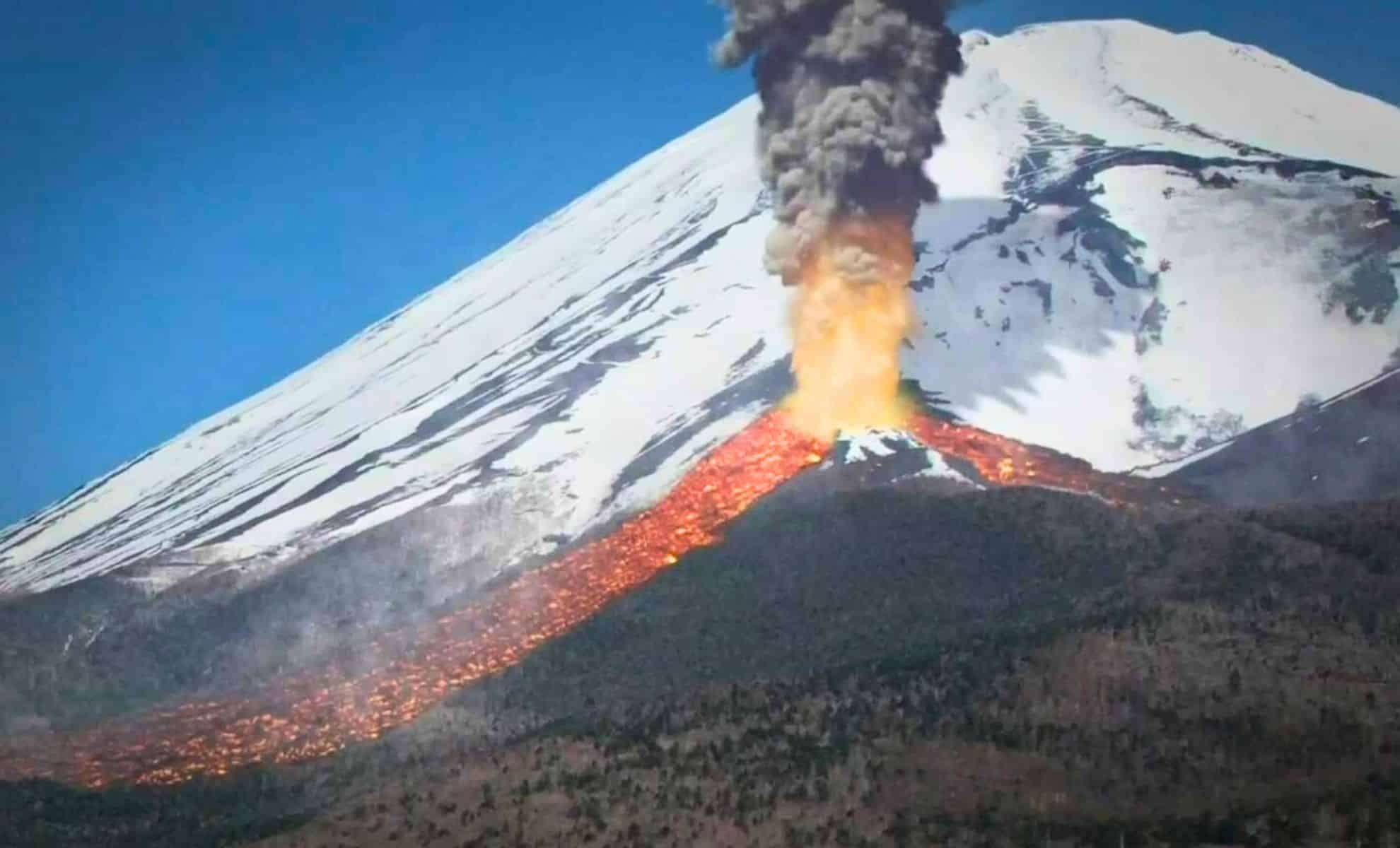
Top volcanology experts in Japan have issued a grave alert urging citizens to prepare for a possible imminent eruption of Mount Fuji. Such an event could threaten approximately one-third of Japan’s population, putting nearly 40 million individuals living in Tokyo and its neighboring suburbs at risk.
Geographical Position and Immediate Consequences
The iconic “Fuji-san” stands mere 90 kilometers away from Tokyo. In the event of an eruption, upwards of 800,000 residents in the vicinity would face urgent evacuation orders.
Among this group, approximately 120,000 people residing closest to the mountain’s base would have a narrow window of to flee before hazardous lava flows endanger their lives.

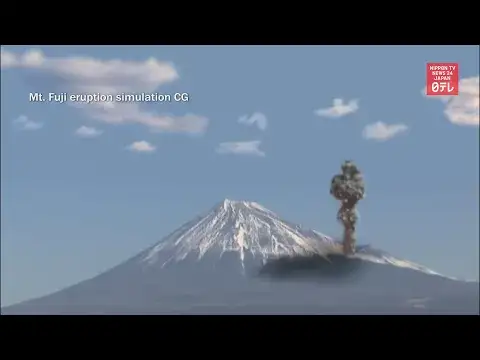
The wider Tokyo metropolitan area would also suffer major disruptions as an estimated 500 million cubic meters of volcanic ash is expected to blanket the city.
This ashfall could severely impair the transportation infrastructure, obstructing roads and triggering electrical faults within transformers that sustain train and subway systems.
Electrical grids might fail, potentially resulting in a widespread power outage. Toshitsugu Fujii, head of the government’s volcanic advisory committee, stresses the critical importance of proactive readiness.
Official Recommendations for Public Preparedness
Authorities are encouraging residents to stockpile necessary supplies. Ideally, each household should be equipped to sustain itself for at least 15 days, which aligns with the expected eruption timeline.
Experts warn that panic buying would rapidly deplete stores, and disruptions in logistics would prevent timely restocking. In addition to transport and power challenges, volcanic ash poses serious health risks.
It could lead to intense respiratory and ocular issues impacting an estimated 12 million people. Access to medical care could further deteriorate if power failures disable crucial hospital equipment.
Community Responses
The announcement has generated shock and concern among citizens. One Tokyo resident remarked, “It’s frightening to imagine such widespread disruption that keeps millions from their schools and workplaces.”
Similarly, a local high school student expressed disbelief, while another city-dweller highlighted worries about assisting international visitors at Mount Fuji, many of whom may face language barriers, potentially increasing chaos.
The Challenge of Predicting an Eruption
Volcanologists stress the difficulty in forecasting an exact eruption date. Historically, Mount Fuji has erupted around 180 times, generally every 30 to 40 years. Yet, the last eruption was recorded in 1707, over 300 years ago.
This unusually long quiescent period, combined with Mount Fuji’s status as an active volcano, heightens concerns that an eruption could occur at any moment. In fact, the passing of each day raises the statistical chance of such an event.
Experts also warn of the eruption’s devastating economic toll, estimating losses in the trillions of yen, equating to tens of billions of euros.
Given the volcano’s proximity to Tokyo, the disaster would severely disrupt both critical infrastructure and the city’s daily operations.
- Categories:
- News







0 comments
Sign in to Comment