
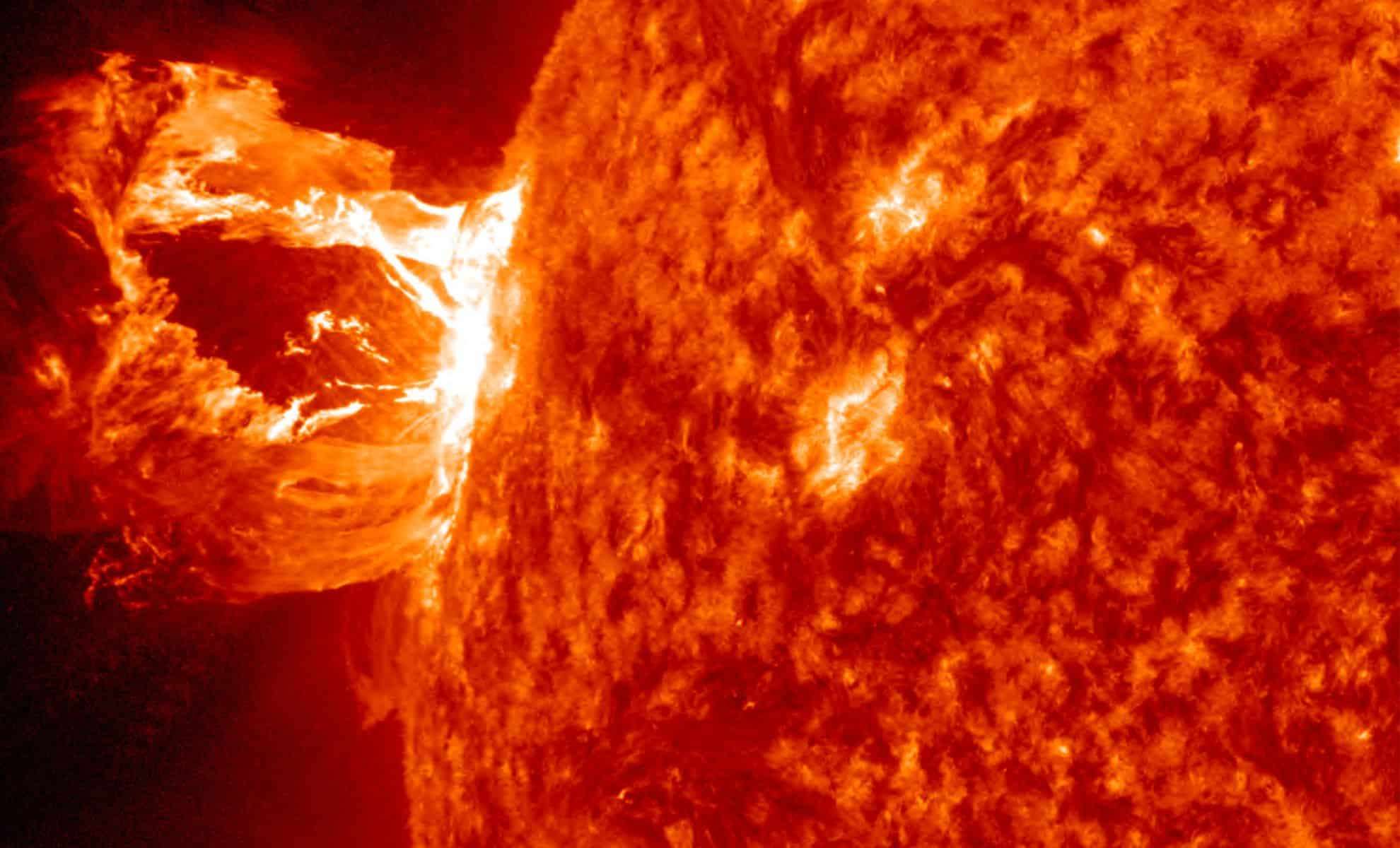
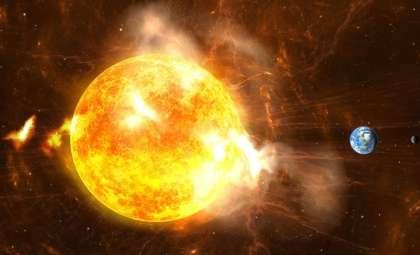
Solar superflares, massive eruptions on stellar surfaces, are occurring more frequently than previously assumed, posing a growing risk to Earth. These phenomena unleash energy billions of times greater than typical solar flares, with the potential to severely damage worldwide communication networks, electrical infrastructure, and satellite operations. Until now, superflares were considered extremely rare, but recent analysis of thousands of solar analogs indicates these extreme events might happen much more often.
These findings raise urgent questions about our Sun’s safety and the vulnerability of Earth’s technology-dependent society. As reliance on satellites and power grids intensifies, the possibility of a superflare causing widespread disruption is becoming increasingly concerning.
Impact of Solar Superflares on Earth's Critical Systems
Superflares dramatically surpass the intensity of normal solar flares. They can emit energy equivalent to up to a trillion nuclear bombs, threatening catastrophic consequences for Earth. The 1859 Carrington Event, the most intense solar storm recorded, disabled telegraph systems yet was vastly weaker than a superflare would be.

The fallout from such an event today would be devastating: satellite services could fail, GPS navigation might be compromised, and electrical grids could experience prolonged outages. Given how deeply woven technology is into our daily lives, a superflare could revert society to a pre-digital era, triggering economic turmoil and jeopardizing safety in aviation and terrestrial transportation.
Researchers at the Max Planck Institute for Solar System Research (MPS) analyzed data from over 56,000 stars like our Sun using NASA’s Kepler Space Telescope and uncovered that such stars exhibit superflare activity more often than previously recognized. This evidence suggests that our Sun may also be prone to producing a superflare someday.
“Discovering that Sun-like stars are susceptible to relatively frequent superflares was unexpected,” said Dr. Valeriy Vasilyev, lead author from MPS. This insight intensifies concerns about Earth’s exposure to such an event, though the exact timing remains uncertain since direct observation of our Sun over millennia is impossible, making studies of similar stars essential for estimating occurrence rates.
Why Have We Underestimated Superflare Frequencies?
For many years, the scientific consensus held that solar superflares were extremely uncommon. However, the latest research challenges this view by illustrating their potentially higher frequency through observations of other Sun-like stars' behaviors, offering a clearer understanding of how often these explosive events might strike.
Professor Dr. Sami Solanki, co-author and Director at MPS, stated, “Though we cannot monitor the Sun’s activity over thousands of years directly, observing thousands of similar stars over shorter durations allows us to estimate how often superflares appear.” This revelation urges a reassessment of Earth’s preparedness and highlights vulnerabilities in our global infrastructure against such solar threats.
The Consequences of Superflares for Earth’s Technologies
A powerful superflare could severely disrupt communication channels, aviation operations, and orbital technologies. An event comparable in strength to the Carrington Event would likely trigger widespread and prolonged interruptions. Power failures, blackouts, and loss of GPS functionality would be expected. Countries dependent on satellite data for weather, navigation, and communication could suffer significant operational impacts.
Additionally, air traffic relying on satellite guidance and communications could face grounding or rerouting challenges due to temporary GPS blackouts. The inability of satellites to provide reliable navigation data could compel emergency landings or extended detours.
The economic fallout would be immense. Satellite system failures would affect financial markets, telecommunications, and global commerce. Data disruptions could have long-lasting consequences, and restoring power grids might take months or even years, amplifying the socio-economic impact worldwide.
- Categories:
- News







0 comments
Sign in to Comment