
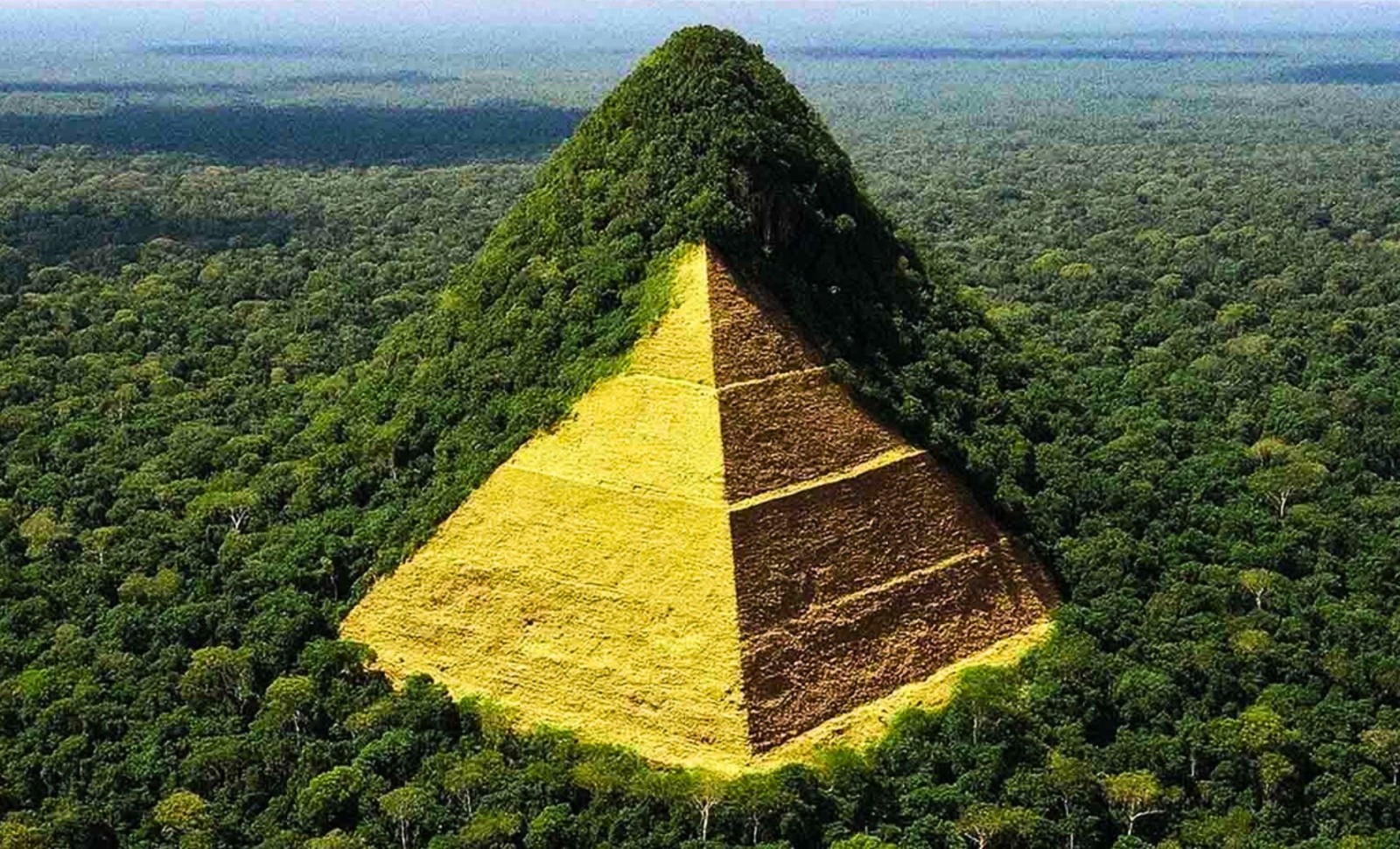
Hidden within the Peruvian Amazon near the Brazilian frontier, a remarkable natural feature has captivated both researchers and Indigenous peoples. Known as Cerro El Cono, this landform dramatically rises from the lush, flat expanse of Sierra del Divisor National Park and boasts the shape of a nearly flawless pyramid. Its precise geometry has sparked lively discussion among geologists, archaeologists, and local Indigenous authorities.
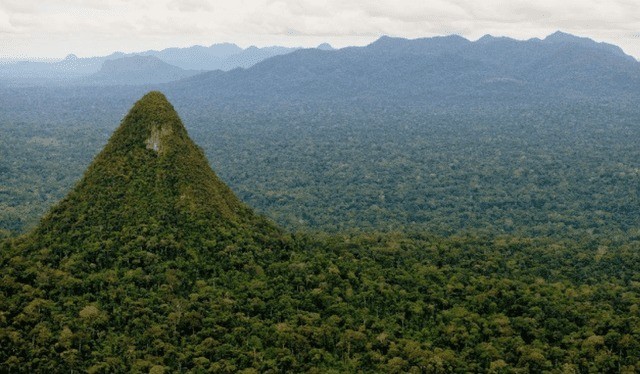
El Cono, towering at approximately 400 meters (1,310 feet), dominates the landscape and can be seen from as far away as the Andes Mountains, over 250 miles west. Positioned in an area typically featuring irregular terrain and dense rainforest, this cone-shaped hill stands out as an unusual landmark. Hypotheses regarding its formation range from an ancient volcanic core to natural erosion or perhaps remnants of lost human construction.
Recognized for generations by Indigenous groups as a spiritual symbol, El Cono lies within a protected zone that simultaneously faces ongoing challenges from unauthorized logging, mining operations, and coca farming. Though under official Peruvian protection since 2015, the Sierra del Divisor region remains vulnerable, positioning El Cono as both an ecological enigma and a conservation priority.

Enigmatic Geology Amidst Amazonian Wilderness
Unlike other peaks in the Sierra del Divisor range, which form a distinctive mountainous region within the otherwise flat Amazon basin, El Cono is uniquely isolated, lacking adjacent ridges or foothills. Its smooth, symmetrical shape has earned it the moniker of the “Alpamayo of the Amazon,” evoking comparisons to the iconic pyramid-shaped peak in the Andes.
Experts remain divided on its origins. One prominent explanation suggests El Cono represents the eroded remains of a long-dormant volcano, aligning with nearby geological formations documented by Peru’s environmental authorities and highlighted in the region’s UNESCO World Heritage submission. Alternatively, some believe it to be a peculiar erosional formation, shaped over countless years by natural forces like wind and rain acting upon distinct underlying rock.
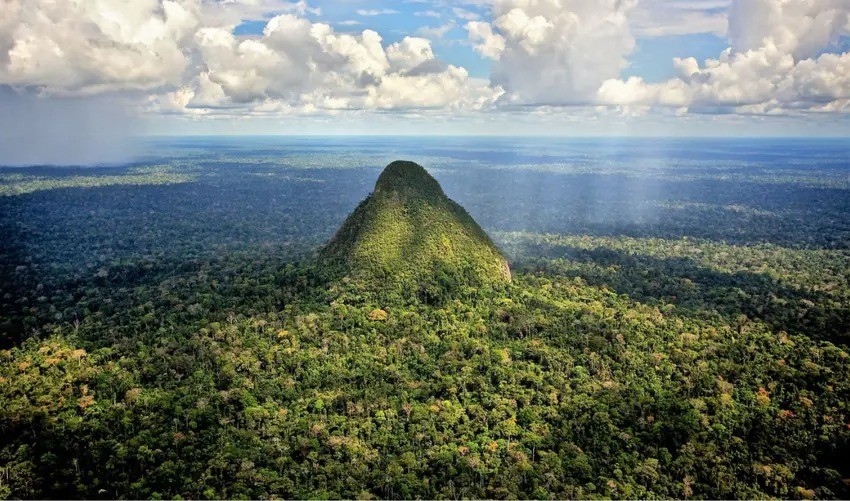
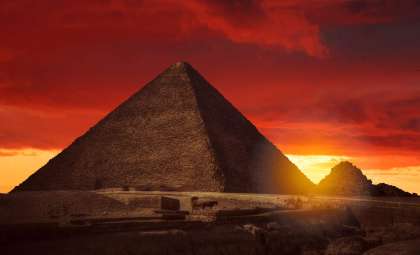
More speculative theories, often featured in popular media and online discussions, propose that El Cono could be the remains of an ancient pre-Columbian pyramid, concealed beneath layers of jungle and soil. To date, no archaeological studies have confirmed this, but its nearly geometric contour continues to fascinate some researchers.
“The satellite views are stunning,” commented Dr. Luis Jaime Castillo, archaeologist and former Minister of Culture in Peru, speaking to BBC Mundo. “Yet, nature can occasionally produce remarkably precise shapes.”
A Spiritual Icon and Conservation Challenge
For the nearby Isconahua and other Indigenous groups, El Cono transcends its physical presence, regarded as a living guardian spirit. In many Andean and Amazonian traditions, such mountains are revered as Apus, sacred protectors linking earth to sky.
These beliefs, maintained through oral heritage, continue to influence cultural ceremonies held at El Cono’s base, fostering an ancient bond between community and environment that predates contemporary nation-states.
This cultural significance heightens the urgency of preserving the site. Sierra del Divisor National Park encompasses over 1.3 million hectares and boasts among the Amazon’s richest concentrations of unique species. A Global Conservation report estimates the park’s forests store over 500 million tons of carbon dioxide, exceeding half the yearly emissions produced by passenger vehicles in the U.S.
Despite these protections, threats remain pronounced. Data from the Monitoring of the Andean Amazon Project (MAAP) reveals ongoing incursions via illegal logging roads and illicit coca cultivation. These actions not only jeopardize fragile ecosystems but expose isolated Indigenous populations to potential health risks.
Peru’s National Service of Protected Natural Areas (SERNANP) has collaborated with military, regional officials, and NGOs to enhance security using drone monitoring, rapid river patrols, and community-based enforcement. While progress has been made, the inaccessibility of the terrain, reachable only by air or river, makes long-term protection challenging.
Scientific Wonder Meets Ecological Importance
Although situated in a remote area, El Cono is gaining wider global awareness. A recent Live Science article has attracted interest, particularly online where satellite photos of the formation circulate enthusiastically among archaeology and geography fans.
However, experts urge that environmental considerations take precedence over curiosity. “No matter if El Cono is a volcanic landmark, an erosional curiosity, or a natural anomaly, its true value lies in the surrounding ecosystem it sustains,” stated Dr. Sasha Pare, a science communicator with expertise in South American biodiversity.
- Categories:
- News



0 comments
Sign in to Comment