
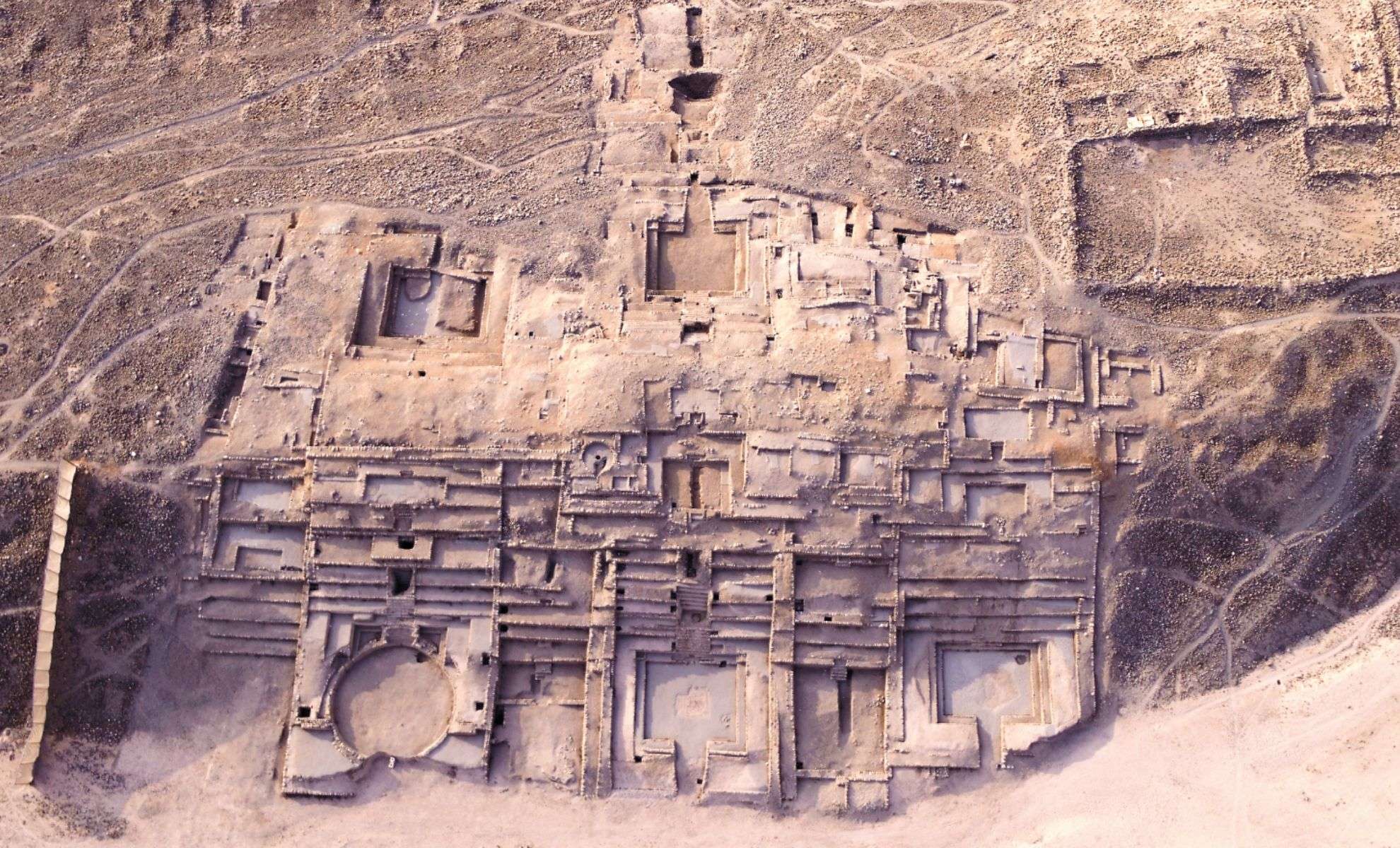
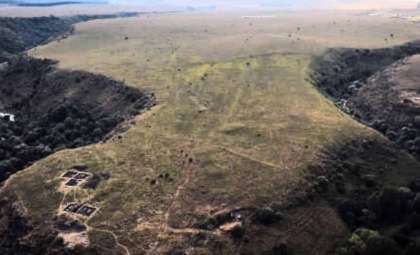
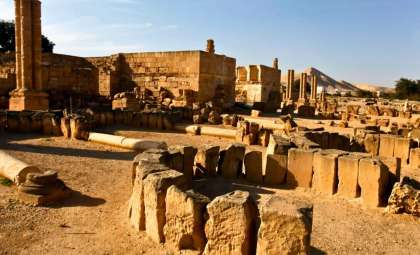
Researchers have uncovered the remains of Peñico, a fascinating urban center dating back 3,500 years, offering fresh perspectives on ancient civilizations in the Americas. Located in Peru’s Lima region, the site features 18 structures, including homes and ceremonial spaces, discovered after an extensive eight-year archaeological project.
Trade Hub in the High Andes
Constructed around 1800 B.C., Peñico emerged after the decline of the Caral civilization, which blossomed around 3000 B.C. Climate shifts contributed to Caral’s downfall, setting the stage for Peñico’s rise. Situated approximately half a mile above sea level, it operated as a critical nexus for commerce connecting coastal, mountain, and jungle ecological zones. Experts suggest this prime location enabled extensive interaction between communities across the Supe and Huaura mountain ranges, as well as the broader Andean-Amazonian area.
Ruth Shady, head of the Caral Archaeological Zone (ZAC), highlighted that Peñico followed Caral’s cultural traditions, leveraging its strategic position to foster trade and societal connections. Its proximity to surrounding hills also protected the city from natural calamities like floods and mudslides, contributing to its longevity.

Key Architectural Highlights
The excavation exposed diverse architectural treasures, notably the B2 structure located at the heart of the city’s plaza. This building stands out for its detailed reliefs depicting pututus—the conch shell trumpets integral to Andean ritual and communication, used during ceremonies and communal gatherings.
Artifacts recovered provide insight into Peñico’s inhabitants’ daily routines. Finds include ornaments, stone implements, small sculptures, and ritual objects. The evidence supports the theory that building B2 functioned as a center for administration and ideological activity, marking it as a major urban landmark alongside various residences and ceremonial areas.
Hematite’s Role in Economic Networks
A fascinating element of the site is the significance of hematite, a mineral known for its vibrant red dye. It is believed Peñico inhabitants extracted and traded hematite, which played a vital role in decoration and ritual practices. Its distribution likely strengthened Peñico's connections within the extensive trade systems of the Supe Valley.
- Categories:
- News



0 comments
Sign in to Comment