
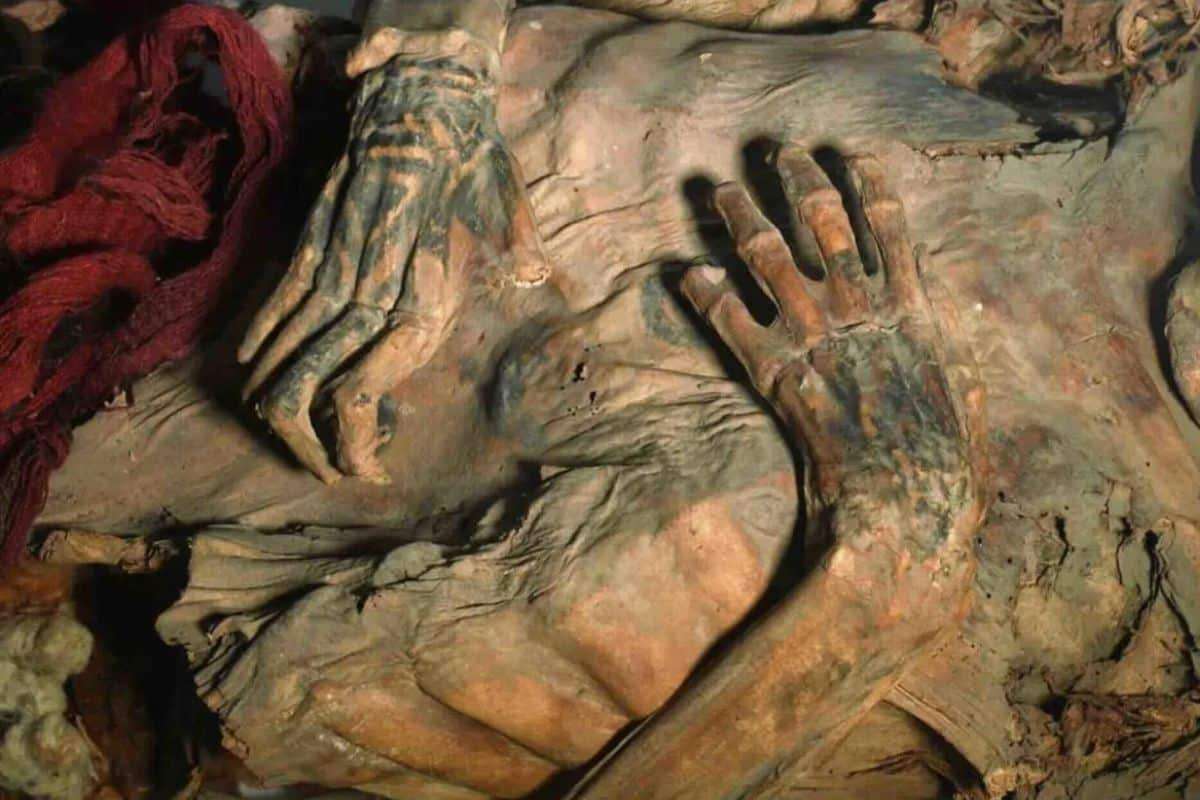
Researchers have made a remarkable discovery by identifying ancient tattoo markings on mummified remains belonging to Peru's Chancay culture, dating back over 1,200 years.
By utilizing advanced laser imaging technology, they uncovered complex tattoo patterns that highlight the artistry and possible cultural and therapeutic significance behind these inked designs.
Advanced Laser Imaging Sheds Light on Lost Designs
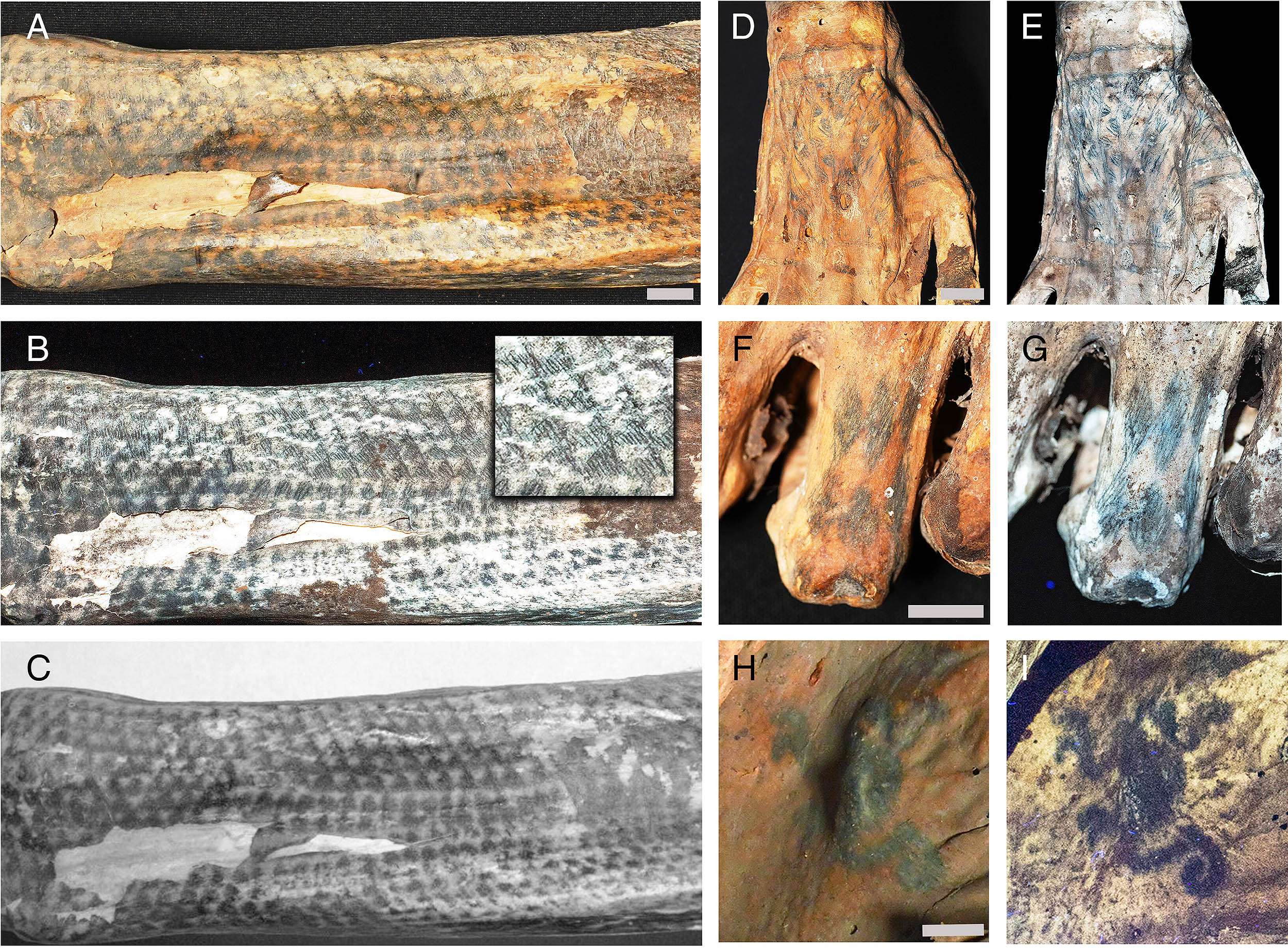
Unearthing these centuries-old tattoos involved innovative methods beyond traditional archaeology. Since the pigments had faded significantly over time, conventional approaches failed to detect the full details. Through the application of laser-stimulated fluorescence (LSF), scientists enhanced the contrast between the ink and skin, allowing intricate tattoo motifs to become vividly visible.
This technique revealed geometric and symbolic markings on the skin of more than 100 ancient mummies, previously unnoticed due to their faintness.
Mastery and Meaning Behind Chancay Tattoos
The Chancay civilization, which flourished along the Peruvian coastline, embraced tattooing as a significant cultural practice, extending beyond mere decoration. Body art played an important role in pre-Hispanic South American societies, with these findings challenging earlier notions about their simplicity.
The precision seen in these tattoos points to specialized tools, likely fashioned from cactus spines or sharpened animal bones, indicating that the designs were meticulously created rather than quickly applied.

Insights into Ancient Therapeutic Practices
This discovery invites comparisons to other ancient tattoo examples, such as the 5,300-year-old Ötzi the Iceman discovered in Alpine glaciers near the Italy-Austria border. Researchers examining Ötzi’s skin identified multiple tattoos, often located on regions linked to pain treatment or similar to acupuncture points.
Albert Zink, director of the Institute for Mummies and the Iceman at the European Research Academy, emphasized that Ötzi’s tattoos likely had healing applications, alleviating joint pain. “We know these were genuine tattoos,” Zink explained, noting their placement suggested ties to ancient medical traditions.
The tattoos found on Chancay mummies similarly indicate that these markings were imbued with profound significance, intertwining spirituality, community identity, and possibly health-related functions.
What Do Ancient Tattoos Teach Us?
The research on these ancient inks offers valuable perspectives on the cultural and spiritual dynamics of societies long past. It reveals how people historically connected with body markings.
Far more than relics, these historic tattoos are testimonies of identity, possibly signifying key personal or spiritual rites of passage and contributing to healing ceremonies. Such findings reinforce that tattooing has always played a vital role in human cultural expression and health beliefs.
Future Directions in Tattoo Archaeology
The integration of laser imaging opens exciting possibilities for uncovering tattoo art in other ancient cultures worldwide. As this technology advances, it may unveil previously unseen body art on archaeological remains, broadening our understanding of ancient human self-expression.
These innovations could uncover more stories etched in skin, revealing how tattoos marked identity, significant life events, and therapeutic practices across history.
- Categories:
- News










0 comments
Sign in to Comment