
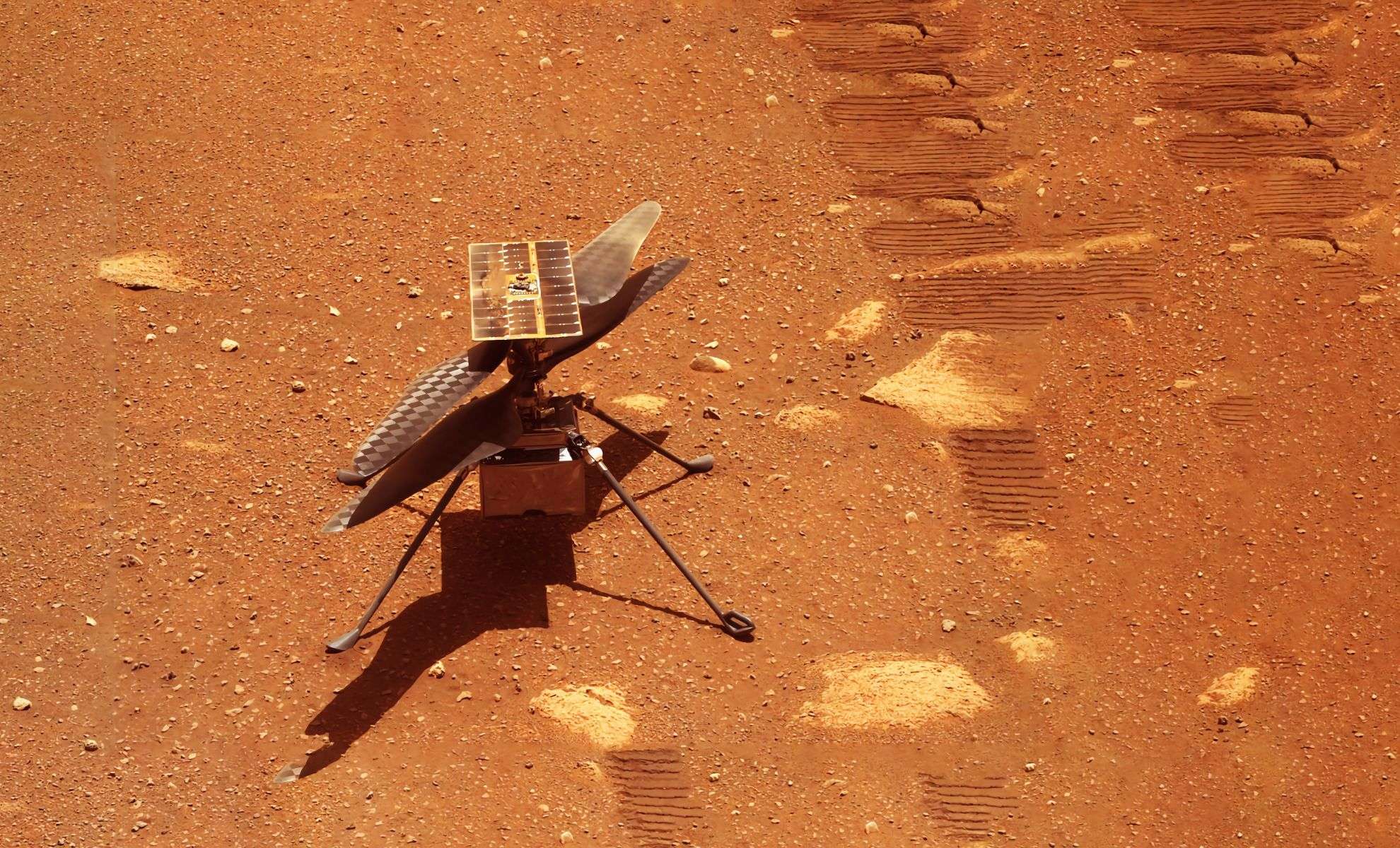
NASA is advancing planetary exploration with an innovative Mars mission designed to transform how we survey extraterrestrial terrains. According to recent insights published in Futura-Sciences, the agency is gearing up to deploy Skyfall, a mission involving six helicopters tasked with scouting prime locations for future human settlements on Mars.
Building Upon Ingenuity’s Pioneering Flights
For more than three years, Ingenuity, the small helicopter that arrived with the Perseverance rover, demonstrated that powered flight on Mars is not only feasible but highly productive. Ingenuity achieved 72 successful flights, greatly exceeding initial expectations. Although its mission concluded due to blade damage, Ingenuity’s achievements established a vital foundation for an ambitious follow-up initiative.
Now, NASA is preparing to deploy Skyfall, a mission with the potential to revolutionize Martian exploration. The strategy is both straightforward and innovative: send six autonomous helicopters to navigate Mars’ terrain, capturing detailed imagery and radar scans to uncover valuable information about the planet’s surface and underground features.

An Innovative Strategy for Mars Deployment
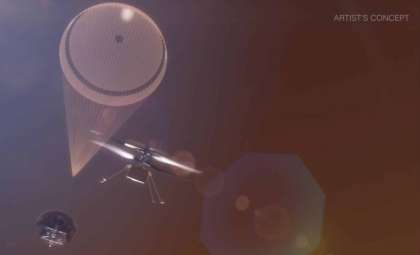
Skyfall differentiates itself by the delivery method of its helicopters. Instead of depending on a traditional rover or stationary landing system, the helicopters will be released directly into Mars’ atmosphere. This method resembles the deployment of paratroopers, with an orbiter deploying a capsule that descends into the atmosphere and releases the helicopters at a predetermined altitude.
This novel approach lowers the cost and complexity of Mars landings considerably. Once released, each helicopter will operate independently, mapping the surface and probing beneath it. The mission expects to identify deposits of water, ice, and other vital resources necessary for supporting future human missions. Additionally, the data gathered will assist scientists in choosing safe touchdown zones and charting rover pathways for explorations ahead.
Unlocking Mars’ Secrets with Advanced Drone Technology
The Skyfall mission intends not only to capture stunning visuals but also to collect critical data that will inform subsequent missions, including those involving astronauts. Equipped with radar technology, the helicopters will map subsurface features, enhancing the understanding of Mars’ resources, which remains limited.
NASA’s collaboration with AeroVironment, a company known for its expertise in drone innovation, ensures Skyfall's effectiveness and scientific impact. William Pomerantz, AeroVironment's space systems head, remarked, “With six helicopters, Skyfall offers an affordable way to broaden our exploration footprint, enrich the data collected, and expand scientific discovery.”
By deploying drones directly into Mars’ atmosphere, NASA aims to cover vast terrain, acquire superior environmental data, and propel humanity closer to the realization of Mars colonization. Ingenuity’s success, achieved despite Mars’ thin atmosphere, demonstrated the tremendous potential of aerial vehicles on the Red Planet.
An Ambitious Schedule for Skyfall
NASA targets a tentative launch window in 2028, capitalizing on optimal planetary alignment for efficient transit to Mars. Though the exact timetable remains provisional, current progress indicates the mission may occur sooner than anticipated.
Skyfall stands to significantly advance human exploration prospects on Mars by providing essential data on landing site safety and resource availability. With drone technology innovations and prior mission achievements, NASA is optimistic about entering a new frontier in space exploration.
- Categories:
- News



0 comments
Sign in to Comment