
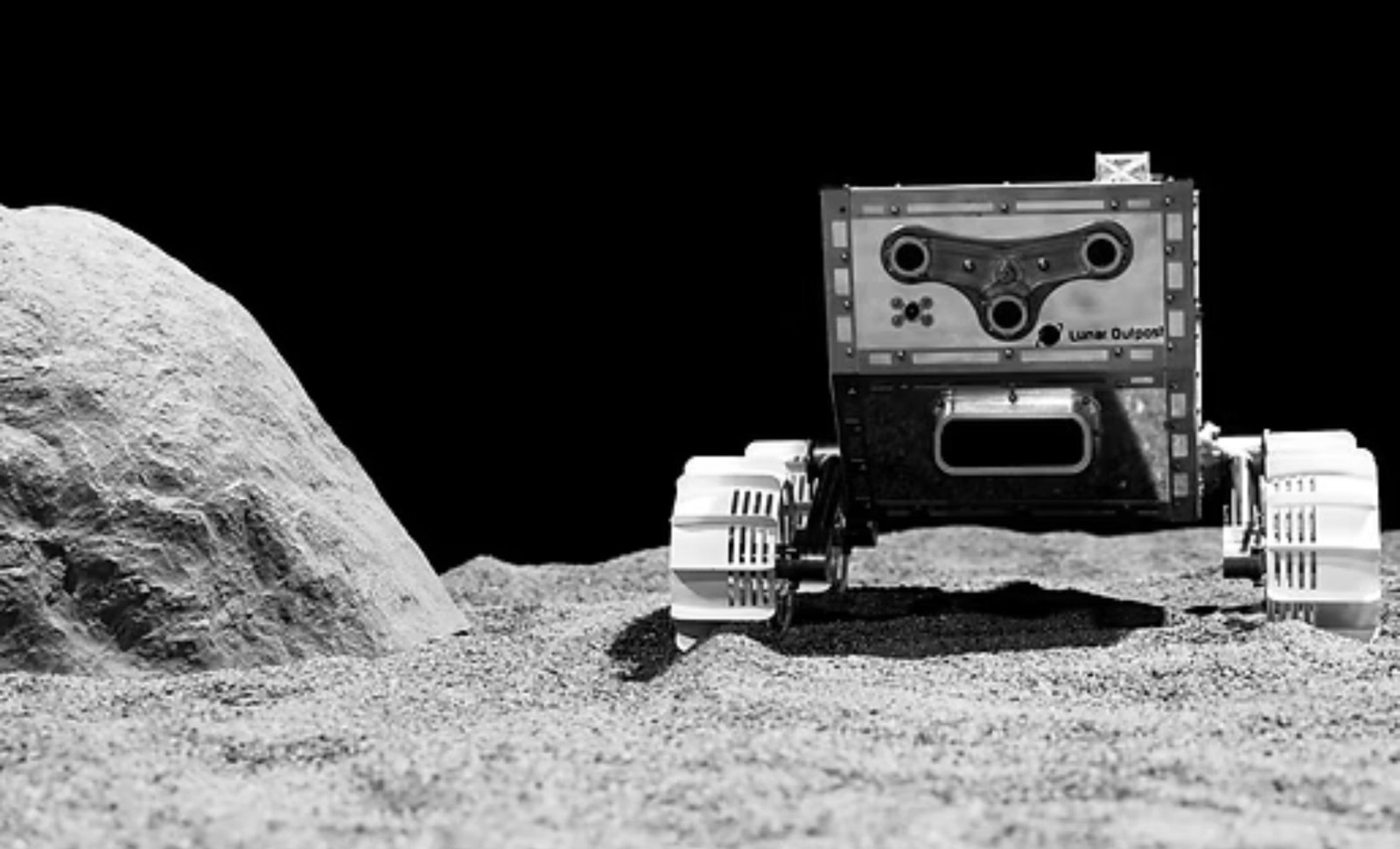
Set for liftoff in 2028, NASA’s Artemis IV mission will showcase an innovative miniature rover dedicated to investigating one of the Moon's most daunting issues: the pervasive lunar dust. Named the Mobile Autonomous Prospecting Platform (MAPP) and created by Lunar Outpost, this rover will analyze dust behavior, offering crucial insights into lunar space weather and particle dynamics as NASA prepares for human exploration under the Artemis initiative.
The Artemis program heralds a new chapter in lunar expeditions. After Artemis II plans to orbit the Moon with a crew in 2024, and Artemis III aims for a crewed lunar landing in 2027 — the first since Apollo — the Artemis IV mission will bring advanced technology to the forefront, notably featuring the MAPP rover.
A Compact Explorer with a Critical Task
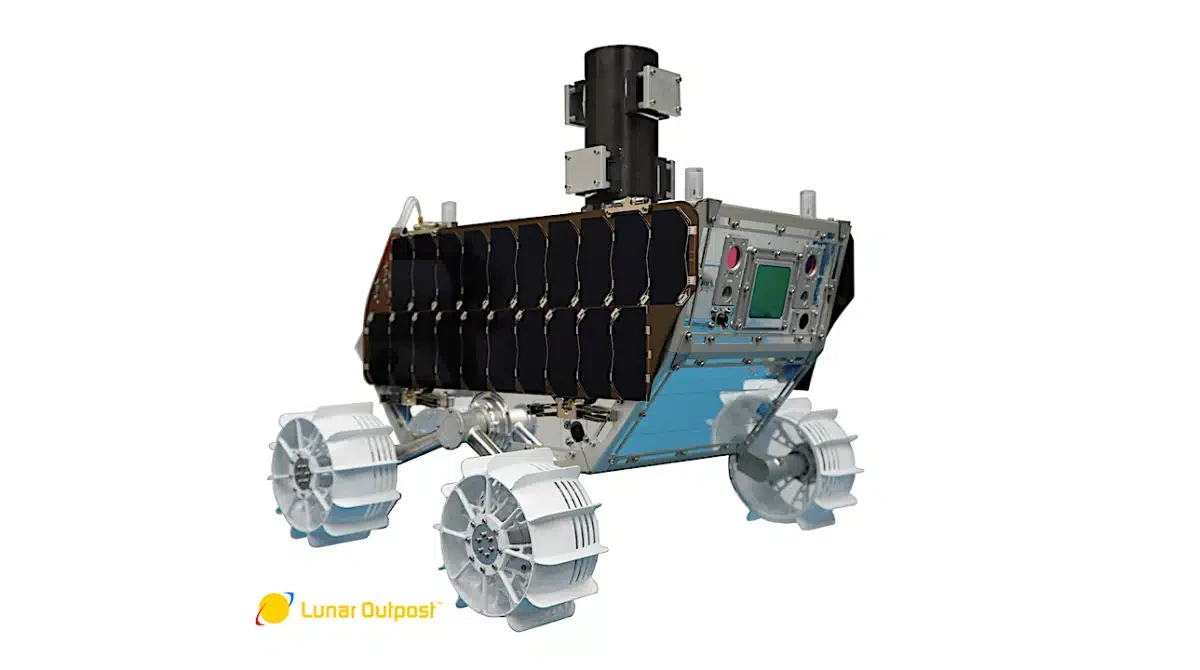
Measuring just 18 by 15 by 16 inches (45 × 38 × 40 cm) and weighing a mere 22 pounds (10 kg), MAPP may be small, but its objectives are substantial. It will become the first commercial rover to land on the Moon and the inaugural rover to traverse its South Pole, the primary target area of the Artemis missions.

Engineered by Lunar Outpost, MAPP boasts a compact frame designed to maneuver the Moon’s rugged surface with ease. Capable of reaching speeds up to 0.22 mph (0.36 kph) and carrying payloads up to 33 pounds (15 kg), the rover offers versatile support for its scientific mission.
“The Mobile Autonomous Prospecting Platform (MAPP) is the most advanced lunar roving platform ever built. Fully customizable, MAPP allows commercial and scientific customers unlimited access to the lunar surface,” as can be read on the Lunar Outpost website.
During its initial mission, MAPP will deploy advanced tools including a Nokia-built 4G/LTE communications unit and a 3D mapping camera from MIT. Its lightweight design ensures nimble operation, crucial for navigating the harsh lunar environment.
Examining Lunar Dust to Enable Safer Missions
A key part of MAPP’s assignment during the Artemis IV expedition is to investigate lunar dust, a persistent hazard NASA has sought to comprehend better. The rover will be equipped with two University of Colorado Boulder LASP instruments: the Electrostatic Dust Analyzer (EDA) and the Relaxation SOunder and differentiaL VoltagE (RESOLVE). These devices will collect vital information on how dust particles shift when lunar landings, lift-offs, and orbital operations disturb the surface.
NASA highlights that understanding lunar dust behavior is essential for mission success. Sharon Miller, lead investigator for NASA Glenn's dust-resistant materials program, points out:
“The dust is very fine, abrasive, and sharp, like tiny pieces of glass, making it more of a dangerous threat than just a simple nuisance.”
Commercial Innovations Supporting Artemis IV
Lunar Outpost, the innovator behind MAPP, has significantly contributed to commercial lunar exploration efforts. Beyond MAPP, the firm continues to pioneer private-sector ventures aligned with NASA’s plan to return humans to the Moon and enable sustained presence by the 2030s.
The deployment of MAPP during Artemis IV marks a milestone as the first time astronauts will operate a rover on an Artemis mission, illustrating NASA’s expanding collaboration with private companies to drive forward lunar science and technology development.
- Categories:
- Space








0 comments
Sign in to Comment