
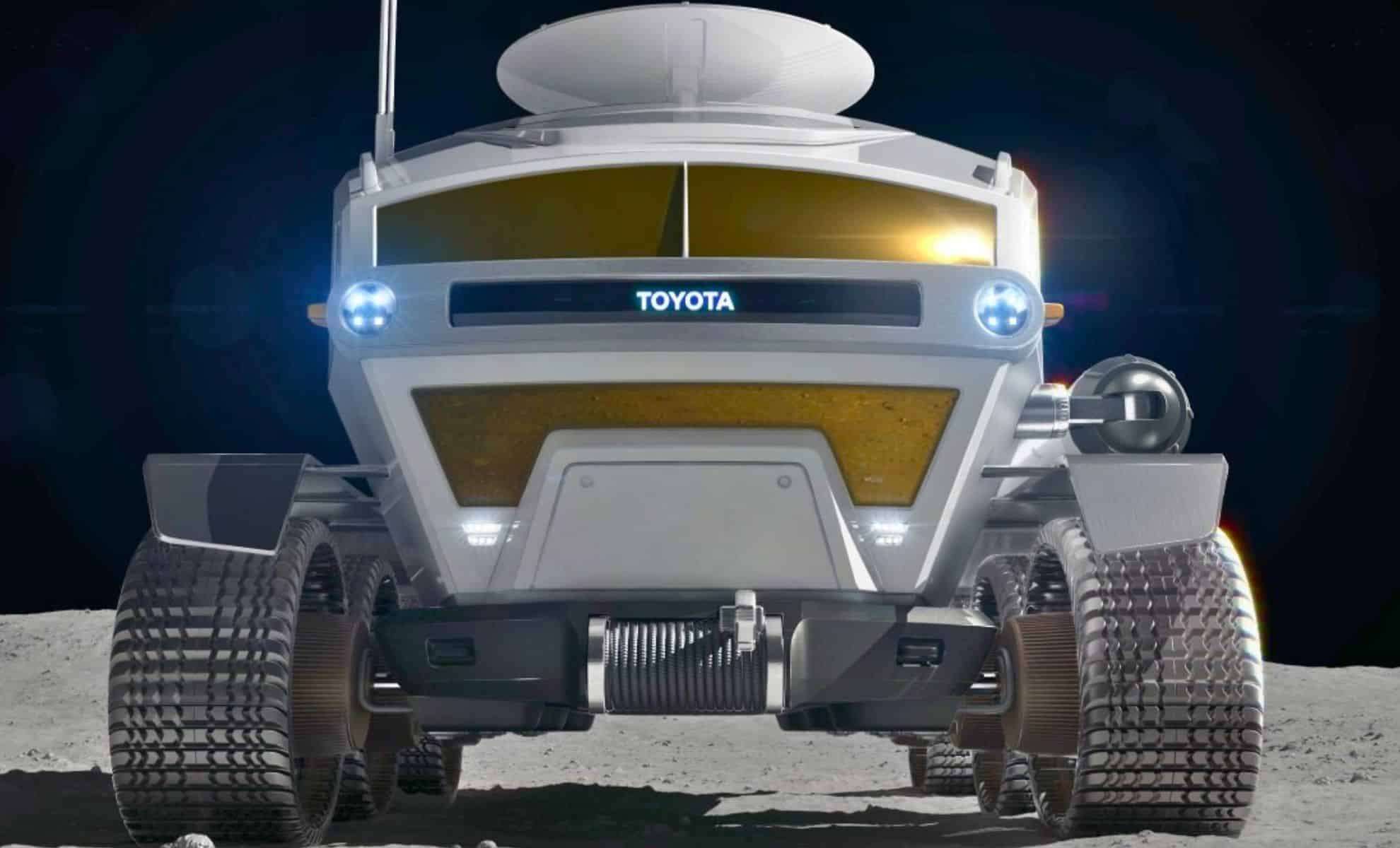
NASA has chosen SpaceX, led by entrepreneur Elon Musk, to carry an unexpected payload to the lunar surface: the Toyota Lunar Cruiser. This unpressurized vehicle, developed through a collaboration between Toyota and the Japan Aerospace Exploration Agency (JAXA), is poised to support vital surface exploration during the upcoming Artemis program. But why isn’t Tesla involved?
The Toyota Lunar Cruiser: Hydrogen-Powered and Built for the Moon
Moving beyond Tesla's electric innovations, this rover is engineered for survival on the Moon's harsh terrain. Revealed in 2019, the Toyota Lunar Cruiser is designed to withstand extreme conditions while housing two fully suited astronauts in its unpressurized cabin, carrying over 1,000 pounds (0.45 metric tons) of scientific instruments and supplies. It’s expected to play a key role in long-duration lunar surface missions.
Equipped with fuel-cell technology derived from Toyota’s expertise in hydrogen vehicles, the rover offers efficiency and range ideal for lunar operations. Capable of handling temperatures from 120 °C (248 °F) in sunlight down to -173 °C (-279.4 °F) in shaded regions, it can navigate extensive lunar landscapes.

Planned for launch in 2032, the Lunar Cruiser fits within Artemis’ broader strategy. It is slated to be deployed during Artemis 6, aimed at expanding exploration at the moon’s South Pole.
Stephen D. Creech, assistant deputy associate administrator for the Moon to Mars Program Office, explained NASA’s goal is to “ensure a steady pace of moon landings to fuel ongoing discovery and scientific advancement.”
SpaceX and Blue Origin: Key Players in Lunar Infrastructure
Besides SpaceX’s crucial role, NASA has also enlisted Blue Origin to deliver a lunar habitat. This modular shelter will provide life-support and protection for astronauts during extended stays. “NASA assigned SpaceX to deliver a pressurized rover, while Blue Origin is responsible for habitat deployment,” stated Lisa Watson-Morgan, Human Landing System program manager.
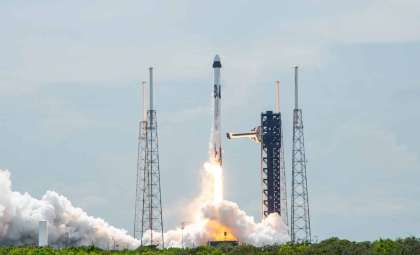
SpaceX will utilize a specialized version of its Starship rocket, adapted for landing on the moon. The Starship cargo configuration can transport more than 100 metric tons to the lunar surface, safeguarding delicate cargo such as the rover, scientific gear, and infrastructure components within its pressurized compartments.
Blue Origin’s habitat, intended for deployment in 2033, underscores NASA’s commitment to establishing long-term living quarters on the Moon as part of the Artemis initiative.

The Artemis Program: Paving the Way for Future Space Missions
The Artemis program signals humanity’s renewed lunar ambitions, aiming to establish a sustainable foothold by the 2030s. Each Artemis mission serves a progressive role:
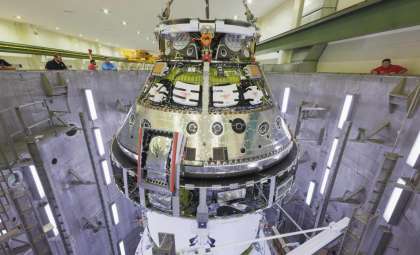
- Artemis 1 (2022): An uncrewed test flight of the Orion spacecraft and Space Launch System (SLS), successfully completed.
- Artemis 2 (2025): A crewed lunar flyby to evaluate life-support and preparatory systems for landing missions.
- Artemis 3 (2026): The first crewed moon landing since Apollo 17, focusing on exploration around the lunar South Pole.
- Artemis 4-6 (2027-2032): Missions dedicated to deploying advanced technology including the Lunar Gateway, rover vehicles, and habitat modules.
The lunar South Pole is especially valuable due to its deposits of water-ice, essential for sustaining human presence and producing rocket fuel via hydrogen extraction. These Artemis expeditions are stepping stones toward NASA’s ultimate ambition: sending astronauts to Mars in the 2040s.









0 comments
Sign in to Comment