
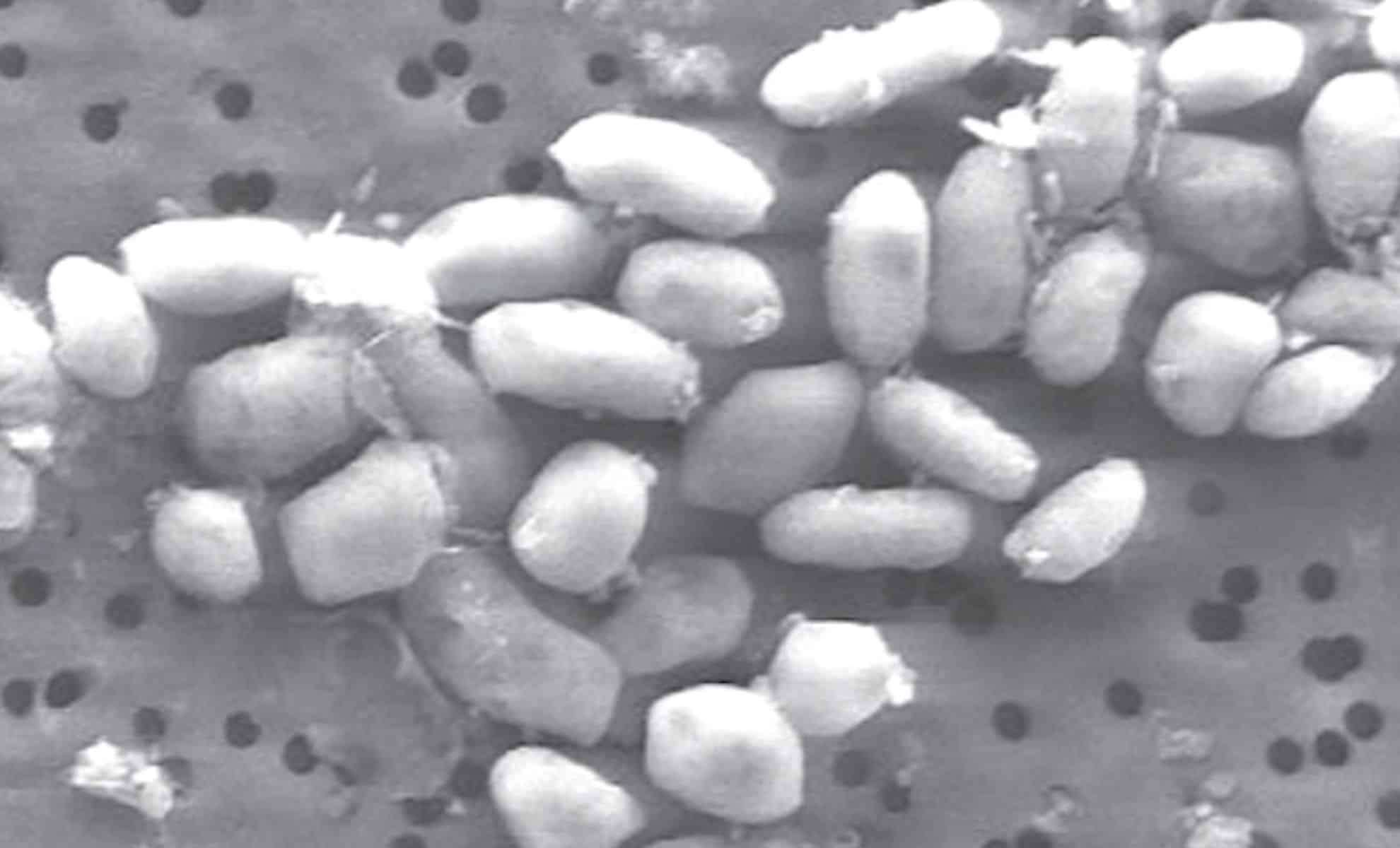
A prominent study funded by NASA and published in Science in 2010, which grabbed global attention, has now been officially withdrawn a full 15 years post-publication. Entitled “A Bacterium That Can Grow by Using Arsenic Instead of Phosphorus,” the research sparked both fascination and criticism upon release. This recent retraction by Science Magazine is reigniting discussions—not only about extraterrestrial life, but also about how science addresses flawed studies, editorial accountability, and institutional transparency.
Retraction Comes After More Than a Decade of Debate
Felisa Wolfe-Simon’s original work claimed to identify a bacterium, GFAJ-1, capable of substituting arsenic for phosphorus in its biological molecules—challenging the long-held belief that phosphorus is fundamental to life. NASA hailed the discovery as groundbreaking, potentially broadening the definition of life and impacting the search for organisms beyond Earth.
However, the study quickly faced scrutiny. Numerous scientists questioned the experimental procedures and were unable to reproduce the results. Despite these concerns, the paper remained part of the scientific record for over ten years, with Science Magazine only recently deciding to retract it—a move NASA publicly opposes.

NASA Challenges the Retraction Decision
Nicola Fox, Associate Administrator of NASA’s Science Mission Directorate, publicly expressed NASA’s dedication to rigorous scientific standards and open communication. She criticized Science Magazine for acting on its own and instituting what she termed a “new standard” when retracting the paper.
Fox described the justification—a claimed disconnect between the data and conclusions—as “unprecedented” and warned it could threaten the peer review system's integrity. Highlighting that Science has not implemented this criterion universally, she stated, “NASA does not support or endorse the retraction.”
Moreover, Fox suggested this decision could discourage scientists from exploring innovative ideas that push scientific knowledge forward.
Embargo Dispute Intensifies the Controversy
Tensions rose when Science Magazine’s press team accused the NASA Watch blog of violating an embargo by releasing the story before the allotted 2 p.m. ET deadline.
Keith Cowing, editor of NASA Watch, denied any embargo breach, explaining he had no access to embargoed materials from Science, AAAS, or EurekAlert! and published only an unrestricted NASA statement. “You can’t threaten me for breaking an embargo on information I never received,” he said. “Revealing my sources is out of the question.”
Cowing also pointed out the irony of Science Magazine’s delayed reversal, recalling how extensively the journal promoted the paper in 2010, including a child-friendly summary. “It’s curious,” he remarked, “that it’s taken 15 years to retract.”
End of an Era in Astrobiology Debate
The retraction draws a line under years of intense discussion within the astrobiology community. Despite failing to gain broad acceptance, the GFAJ-1 paper influenced both public perception and academic conversations for a long time.
This move by Science Magazine sparks important conversations about editorial consistency, handling controversial research, and whether retractions should be based on current standards or those in place when studies were first published.
NASA continues to stand firm that scientific corrections are vital but insists this must be done with fairness to foster a climate of scientific inquiry rather than deter innovation.
- Categories:
- News









0 comments
Sign in to Comment