
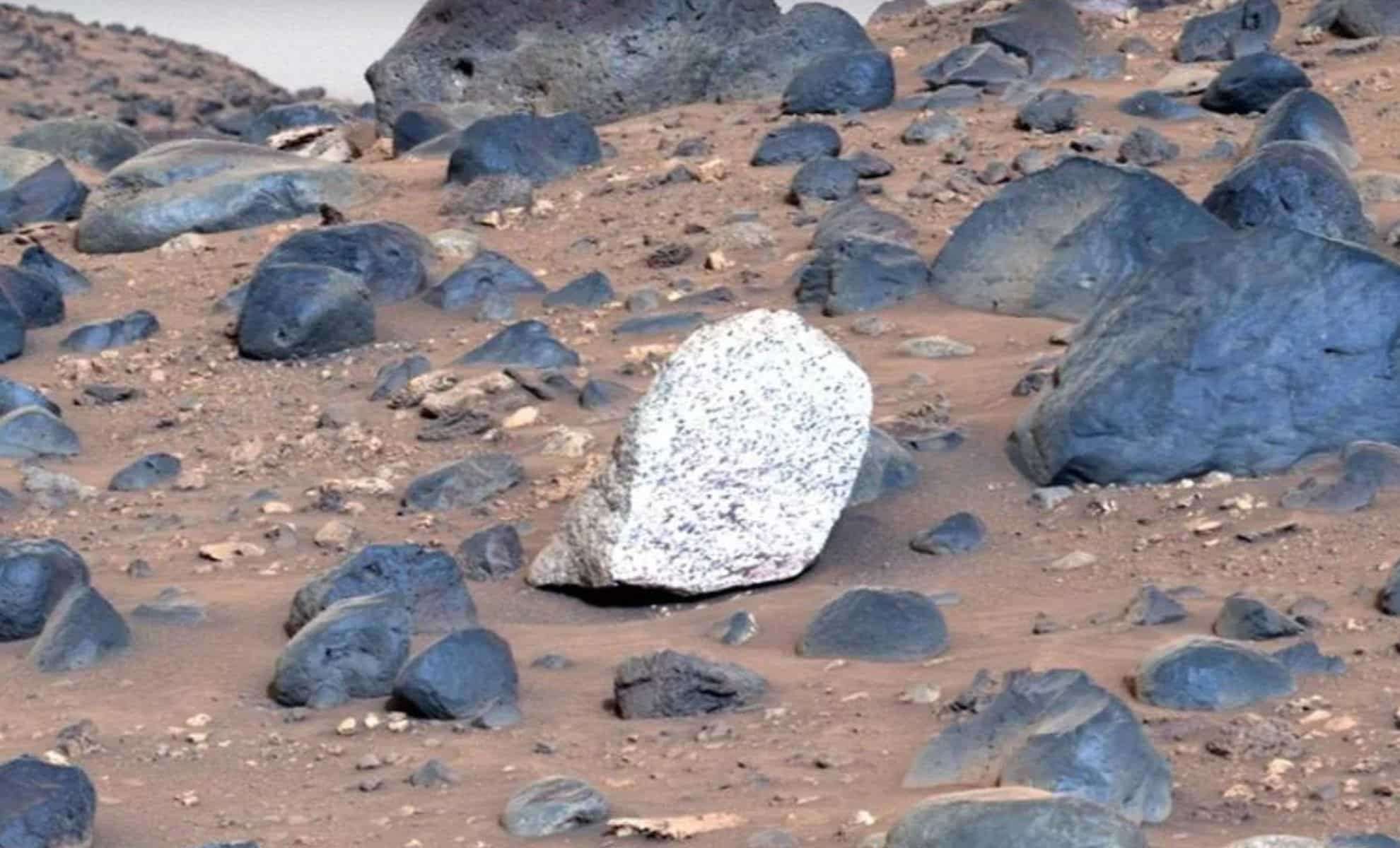
During the 2030s, NASA and the European Space Agency (ESA) plan an unprecedented mission to retrieve rock and soil specimens from Mars and bring them back to our planet. These samples, collected by NASA’s Perseverance rover from the Jezero Crater on Mars, will offer scientists a unique window into the Red Planet’s geological past and its potential to have harbored life billions of years ago. Known as the Mars Sample Return (MSR) mission, this effort represents a significant leap forward in the search for extraterrestrial life. More details about this intricate process and the hurdles ahead are discussed in a Phys.org article.
An Unprecedented Journey: Mars Samples Travel Home
Since February 2021, NASA’s Perseverance rover has been diligently investigating the Jezero Crater on Mars, extracting core samples of Martian rock and securely sealing them within specialized tubes. These rock cores will be picked up by a follow-up mission designed to launch them from Mars and transport them safely back through space. Upon return to Earth, the precious samples will be studied in top-tier laboratories using cutting-edge instruments.
Access to these Martian rocks will enable researchers to scrutinize Mars’ geological history at an unprecedented resolution. Crucially, these samples provide the first real chance to search for remnants of ancient microscopic life on the planet. NASA emphasizes that the Mars Sample Return mission’s chief goal is to investigate “whether Mars hosted microbial life billions of years ago.”

Preserving Sample Purity to Protect Earth
Bringing Martian materials to Earth involves considerable challenges. Paramount among them is protecting the samples from contamination by terrestrial organisms. The Committee on Space Research (Cospar) has issued stringent protocols for handling planetary specimens: “A program of life detection and biohazard testing, or a proven sterilization process, should be undertaken as an absolute precondition for the controlled distribution of any portion of the sample,” Cospar asserts. This measure safeguards Earth from any potential biohazards originating from Martian microbes.
Once the samples re-enter Earth's atmosphere, they will be carefully transported to a secure Sample Receiving Facility (SRF), likely located in Utah, USA. There, rigorous biocontainment protocols will be enforced to avoid contamination. Using sophisticated microscopes and spectrometers, scientists will examine the samples within an environment designed to contain any risks, facilitating detailed study under the highest safety standards.
Advanced Tools and International Partnership Drive the Mission
Handling and analyzing Martian samples demands groundbreaking technological solutions. To uphold stringent safety measures, NASA and ESA have engineered state-of-the-art multi-barrier isolator cabinets. These containment systems will allow researchers to conduct in-depth analyses while maintaining biological isolation. Initial study phases include basic characterization, where the chemical makeup of the samples will be examined and clues pointing to ancient microbial life identified.
For any findings to be validated, scientists will replicate analyses across multiple labs and teams, ensuring results are reliable and reproducible. This meticulous process is vital to confirm whether Mars ever supported living organisms. Once studies conclude, insights will be shared with the global scientific community, but only after completing examinations under the strictest of conditions.
- Categories:
- News









0 comments
Sign in to Comment