
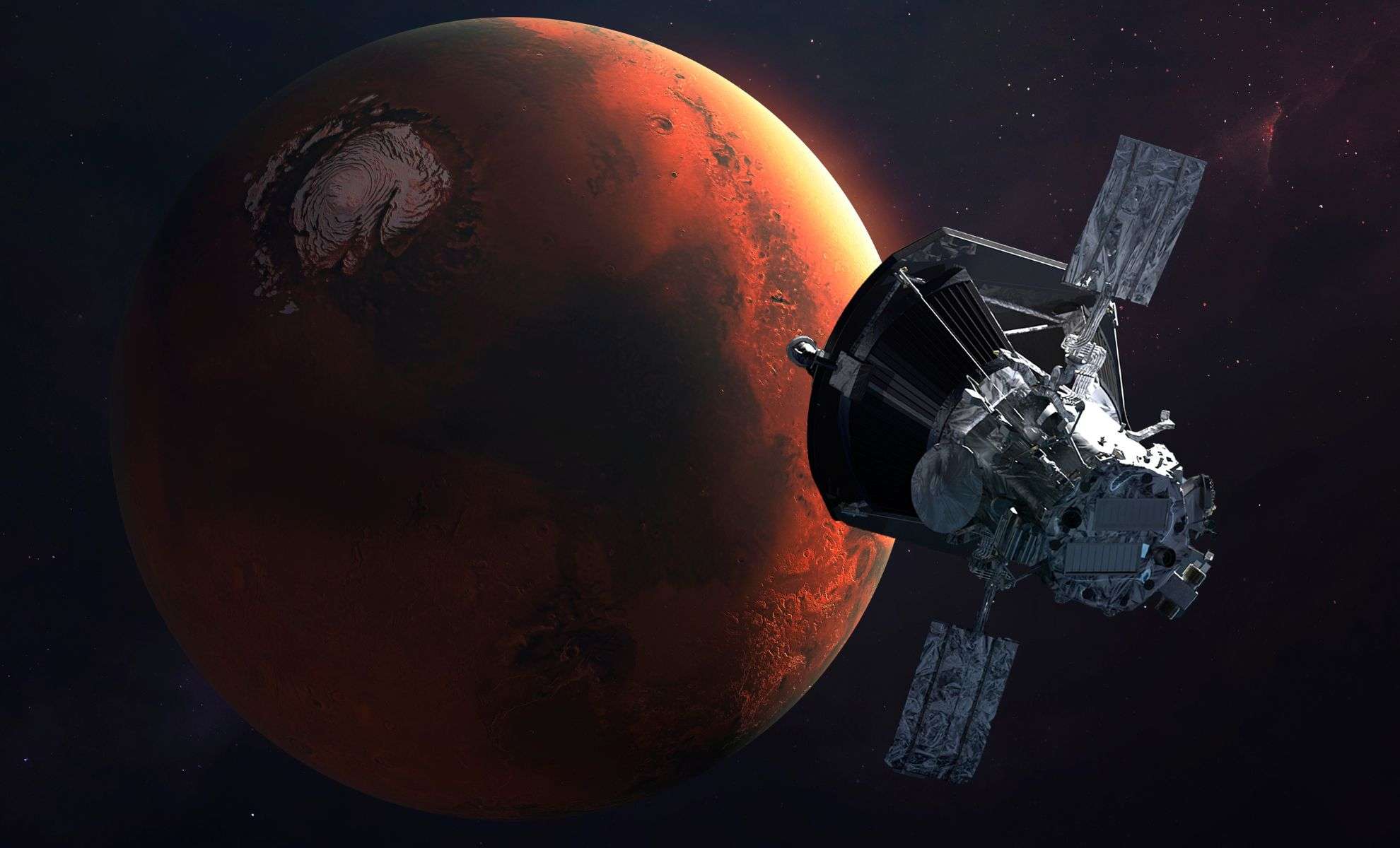
During a recent NASA press conference, acting administrator Sean Duffy shared enthusiasm about the discovery of a distinctive rock formation uncovered by the Perseverance rover. This arrowhead-shaped rock features unusual chemical signatures that could hint at ancient life on Mars. However, despite the discovery’s excitement, NASA currently lacks a concrete plan to retrieve these samples.
The Mars Sample Return mission, once a cornerstone of NASA's exploration agenda, has been paused after a 2023 independent review revealed projected costs might reach $11 billion. This steep expense has sparked resistance in government circles, with the Trump administration considering canceling the project.
Intriguing Findings, Challenging Verification
The new Martian rock discovery has generated significant buzz among researchers. At the briefing, Sean Duffy called the find an “exciting” breakthrough, highlighting its unique arrow-like form and chemically complex features that could indicate biological origins. According to Ars Technica, these patterns may have been shaped by ancient microbial life, although no definitive evidence has yet been identified.

NASA stresses that confirming signs of past life requires detailed laboratory work back on Earth. The longer the material stays on Mars, the further delayed this critical analysis becomes. While optimistic, Duffy also acknowledged this significant hurdle as he discussed the rover’s findings.
Mars Sample Return Mission on Hold
The Mars Sample Return initiative, devised to return carefully sealed samples collected by Perseverance, is currently suspended. When questioned about the program’s prospects, Duffy commented:
“We’re looking at our budget, so we look at our timing… and what technology do we have to get samples back more quickly?”
An independent audit that led to the project’s suspension uncovered an excessively complex design with estimated expenses between $8 billion and $11 billion. This financial burden influenced the Trump administration's decision to reduce funding in the latest budget, though they emphasized that Mars exploration itself is not being abandoned.
Challenges Between Mars and Washington
Although the outlook for returning samples remains uncertain, Duffy affirmed NASA's ongoing commitment to planetary exploration. He told reporters:
“President Trump didn’t say, ‘Hey, let’s forget about Mars.’ No, we’re continuing our exploration. And by the way, we’ve been very clear under this president that we don’t want to just bring samples back from Mars. ”
He also shared that NASA’s expanding goals include placing “boots to the Moon and to Mars,” a vision that could alter future mission timelines and strategies.
One alternative considered involves deploying advanced instruments on Mars itself for detailed analysis, which would bypass the expense and complexity of sample return but restrict the scope of scientific investigation possible.
- Categories:
- News








0 comments
Sign in to Comment