
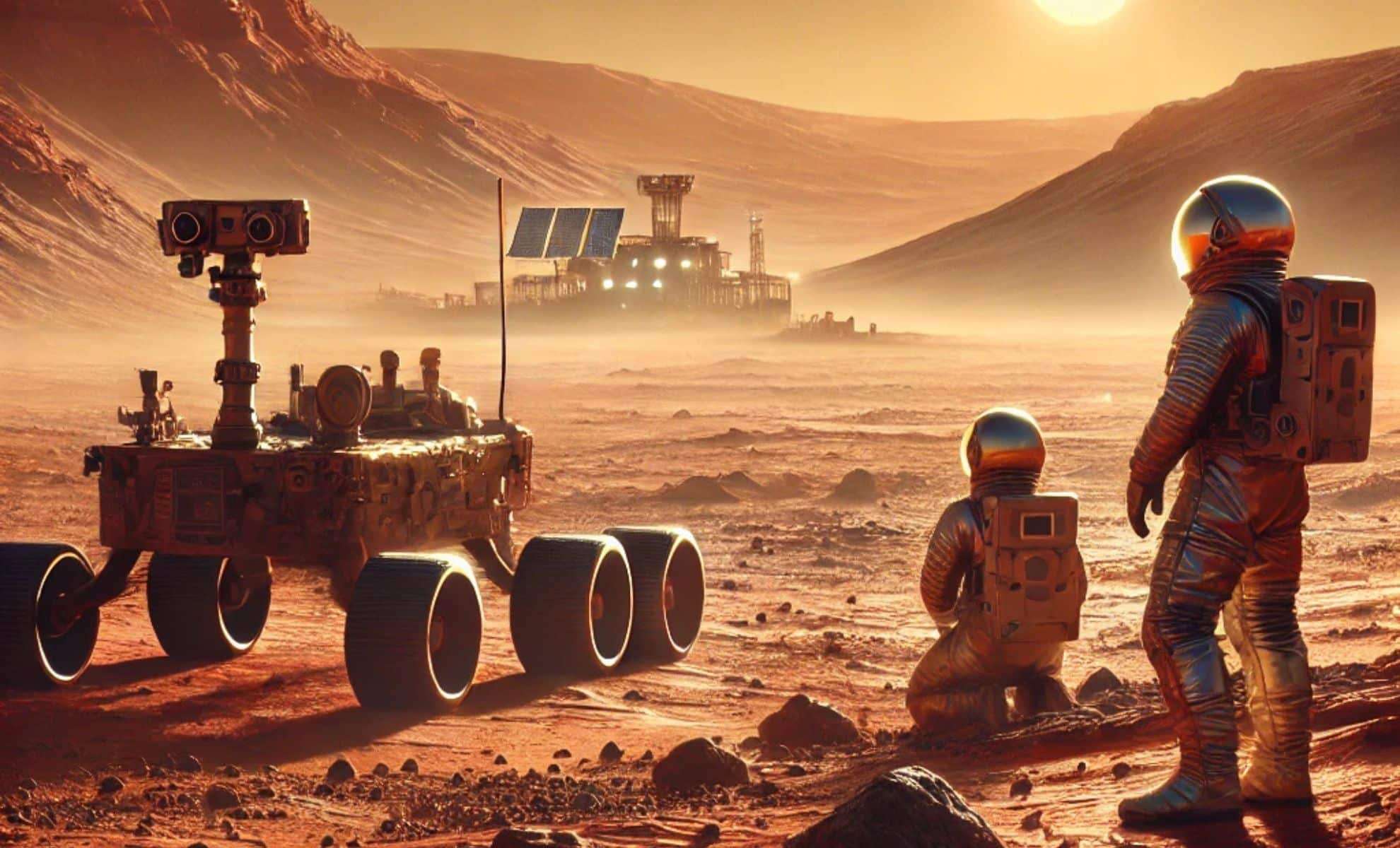
President Donald Trump recently declared a daring objective: to have American astronauts set foot on Mars before his presidential term concludes in 2029. While this aspiration captures the imagination, many specialists remain skeptical about whether current technology and preparations can meet such an aggressive schedule. Despite groundbreaking progress in space exploration, notably SpaceX's work on the Starship vehicle, critical technologies needed for human missions to Mars remain underdeveloped. Challenges ranging from producing fuel on Mars to protecting crew members from health hazards present formidable obstacles. So, could landing humans on Mars by 2029 truly become a reality, or is it still far out of reach?
The plan's success largely depends on the readiness of SpaceX’s Starship rocket, which is still undergoing testing. Industry analysts point out numerous technical, financial, and logistical hurdles that must be overcome. SpaceX aims to launch uncrewed Mars missions as early as 2026, with crewed flights potentially following in 2028, but this timeline leaves little margin for unexpected setbacks.
Among the unsolved problems are establishing a dependable system for producing rocket fuel on Mars, developing life-support systems capable of long-term sustainability, and shielding astronauts from the intense radiation encountered during interplanetary travel. While SpaceX has achieved notable milestones, the comprehensive infrastructure to support human presence on Mars is still under development.

SpaceX’s Starship and the Obstacles to Mars Exploration
The Starship spacecraft is considered pivotal for Mars missions due to its intended capacity to transport substantial amounts of cargo and crew. Early test flights have marked progress, yet the vehicle’s payload limits and the vast quantities of fuel required pose significant challenges. SpaceX’s roadmap includes uncrewed missions targeting 2026, with ambitions for crewed expeditions by 2028, demanding rapid advancement in multiple technological areas.
The mass of all essentials—astronauts, supplies, equipment, and fuel—exceeds what a single Starship flight can currently carry. Especially critical are the quantities of consumables like fuel, air, water, and food. Developing efficient closed-loop recycling systems for these resources could ease the load, but this remains a complex undertaking that needs further innovation and testing.
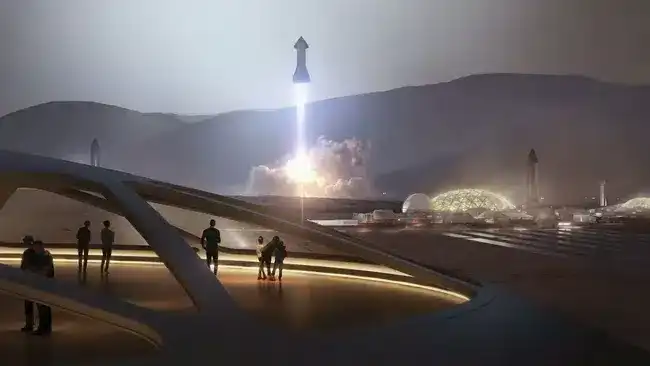
Key Issues: Fuel Production and Protecting Against Radiation
One of the major difficulties in a manned Mars mission involves securing enough fuel for the entire round-trip journey. While pre-launch fuel delivery is possible, manufacturing propellant directly on Mars — a technique known as In Situ Resource Utilization (ISRU) — is essential for mission feasibility but is still in experimental stages. Furthermore, space travelers face serious dangers from radiation exposure, including cosmic rays and solar flare activity, during the months-long voyage to and from Mars. Effective radiation shielding remains a critical, unresolved engineering challenge.
SpaceX proposes producing methane and oxygen from Martian atmospheric components to refuel spacecraft via ISRU, but scaling up this technology is ongoing. These systems must be operational before astronauts make the trip back to Earth. Meanwhile, ensuring adequate protection against harmful radiation on such extended journeys is necessary to safeguard crew health and mission success.
Assessing the Probability of a 2029 Mars Landing
Despite these enormous hurdles, some experts view a Mars landing by 2029 as an ambitious yet possibly attainable goal. They emphasize the importance of preliminary uncrewed missions to validate life-support systems and fuel manufacturing processes, alongside cargo missions to build foundational infrastructure on Mars ahead of crew arrival.
While President Trump’s proposed timeline may be considered optimistic, the combination of global cooperation, rapid technological breakthroughs, and focused investment could bring human exploration of Mars within reach during the early 2030s. Ultimately, closing existing technological gaps and establishing essential resources will determine whether humanity can plant its flag on the Red Planet in the near future.
- Categories:
- News









0 comments
Sign in to Comment