
Often, the most impactful technological breakthroughs lie hidden beneath our feet. The Fehmarnbelt Tunnel exemplifies this by transforming European transport networks through extraordinary engineering mega-projects. This impressive tunnel, crossing the Fehmarnbelt Strait linking Germany and Denmark, stands as a landmark achievement in sustainability, collaboration, and infrastructure innovation.
Projected to open by 2029, the tunnel will replace existing ferry routes, dramatically cutting travel times and stimulating economic exchange between the two nations. What distinguishes this venture is the unique construction model, the rigorous environmental strategies, and the considerable benefits for movement, commerce, and bilateral cooperation.
Fehmarnbelt Tunnel: Revolutionizing Europe’s Transport Landscape
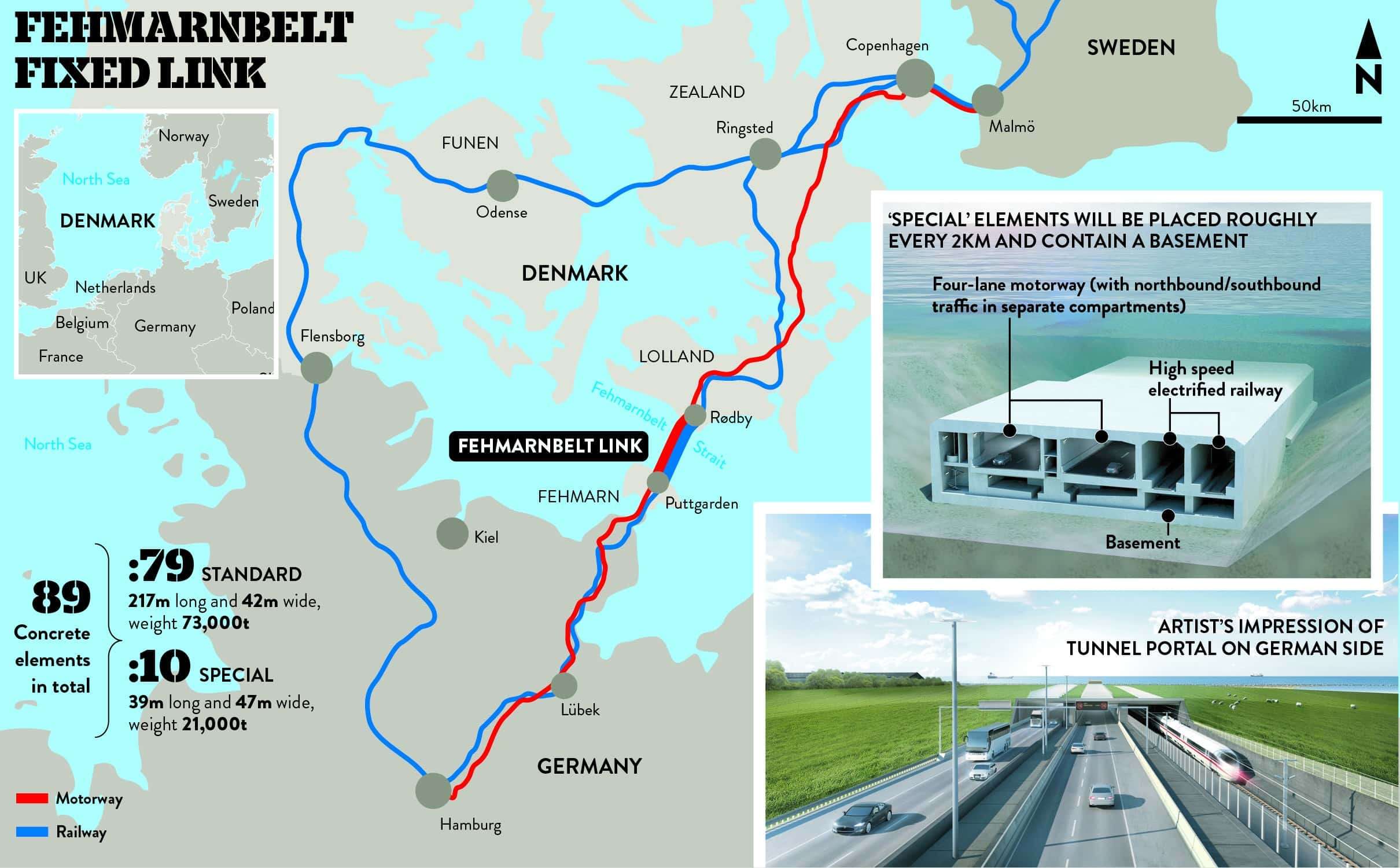
Stretching roughly 18 kilometers beneath the Baltic Sea from Puttgarden on Germany's Fehmarn Island to Rødby on Denmark’s Lolland Island, the tunnel will hold the title of the world’s longest immersed tunnel, sitting around 40 meters underwater.

Currently, ferries take about 45 minutes to ferry passengers and goods across the strait. The new tunnel reduces journey times to just 7 minutes by train and 10 minutes by road. This leap in efficiency promises to transform cross-border travel into a quicker, more environmentally friendly, and reliable experience.
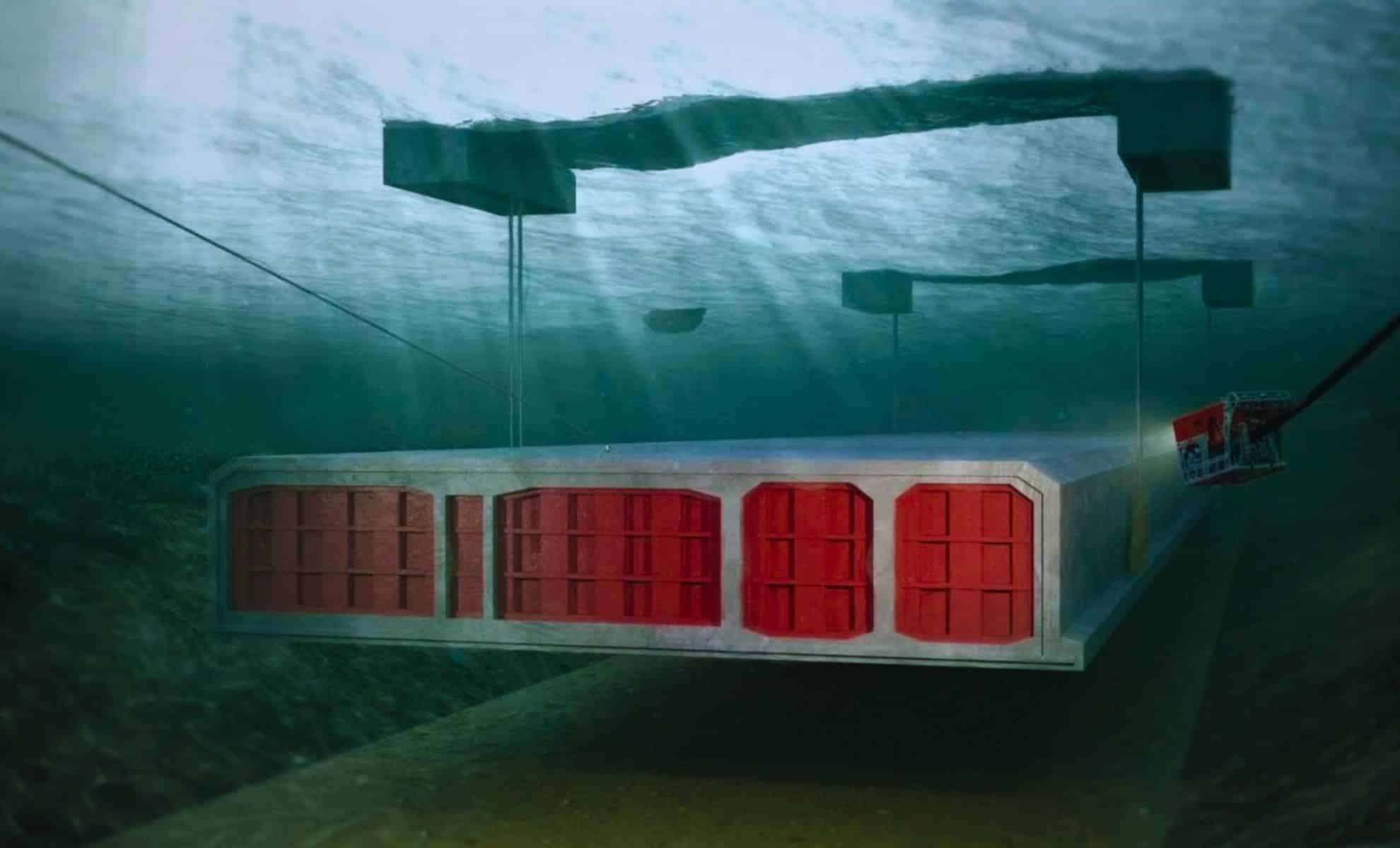
Unlike many tunnel projects that rely on tunnel boring machines (TBMs), this construction uses 89 enormous precast tunnel sections, each weighing up to 73,500 tons and stretching 217 meters. These carefully manufactured units are built onshore and then submerged with pinpoint precision, showcasing extraordinary technical expertise.
Engineering Feat: Constructing the Fehmarnbelt Tunnel
The tunnel’s construction exemplifies cutting-edge engineering and meticulous planning. Critical components include:
1. Massive Precast Elements Crafted with Precision
- All 89 segments are produced on solid ground, optimizing quality control and speeding assembly.
- Each segment features watertight bulkheads to prevent flooding during underwater placement.
- Once aligned underwater, the pieces are sealed together forming an impermeable tube.
2. Environmental Stewardship in the Baltic Sea
- Given the Baltic Sea’s delicate ecosystem, the project prioritizes minimizing ecological disturbance.
- Efforts include reducing construction noise and carefully positioning sections to protect marine habitats.
- The tunnel incorporates green initiatives like energy-efficient illumination and ventilation.
3. Unprecedented Scale and Design
- At 18 kilometers, the tunnel will outsize the existing Øresund Tunnel, becoming the longest immersed tunnel worldwide.
- It supports a four-lane highway alongside a double-track railway, serving multiple transportation modes.
The first tunnel segment was successfully submerged in early 2024, marking an important project milestone. With a total budget of approximately €7 billion, this infrastructure investment is a bold strategic commitment to Europe’s future.
Enhancing Mobility, Commerce, and Transnational Linkages
The Fehmarnbelt Tunnel is much more than a construction marvel; it will reshape travel, trade, and cooperation across borders as follows:
1. Transforming Passenger and Freight Travel
- It will drastically shorten routes, for example, connecting Copenhagen to Hamburg in just 2.5 hours rather than 4.5.
- This improved rail corridor could encourage more eco-friendly alternatives to short-distance flights.
2. Streamlining Goods Movement
- Businesses will benefit from faster, reliable freight passage, enhancing cross-border supply chains.
- The improved logistics network aims to invigorate regional economies significantly.
3. Symbolizing European Integration
- Uniting Germany and Denmark through joint initiatives, the tunnel exemplifies successful international cooperation.
- It embodies the continent’s ambitions toward innovation, sustainability, and progressive infrastructure.
More than a mere transportation shortcut across the Baltic, the Fehmarnbelt Tunnel advances how we think about infrastructure connectivity. Innovative building techniques, eco-conscious design, and broad socio-economic benefits promise a lasting legacy for Europe’s transport future.
- Categories:
- News








0 comments
Sign in to Comment