
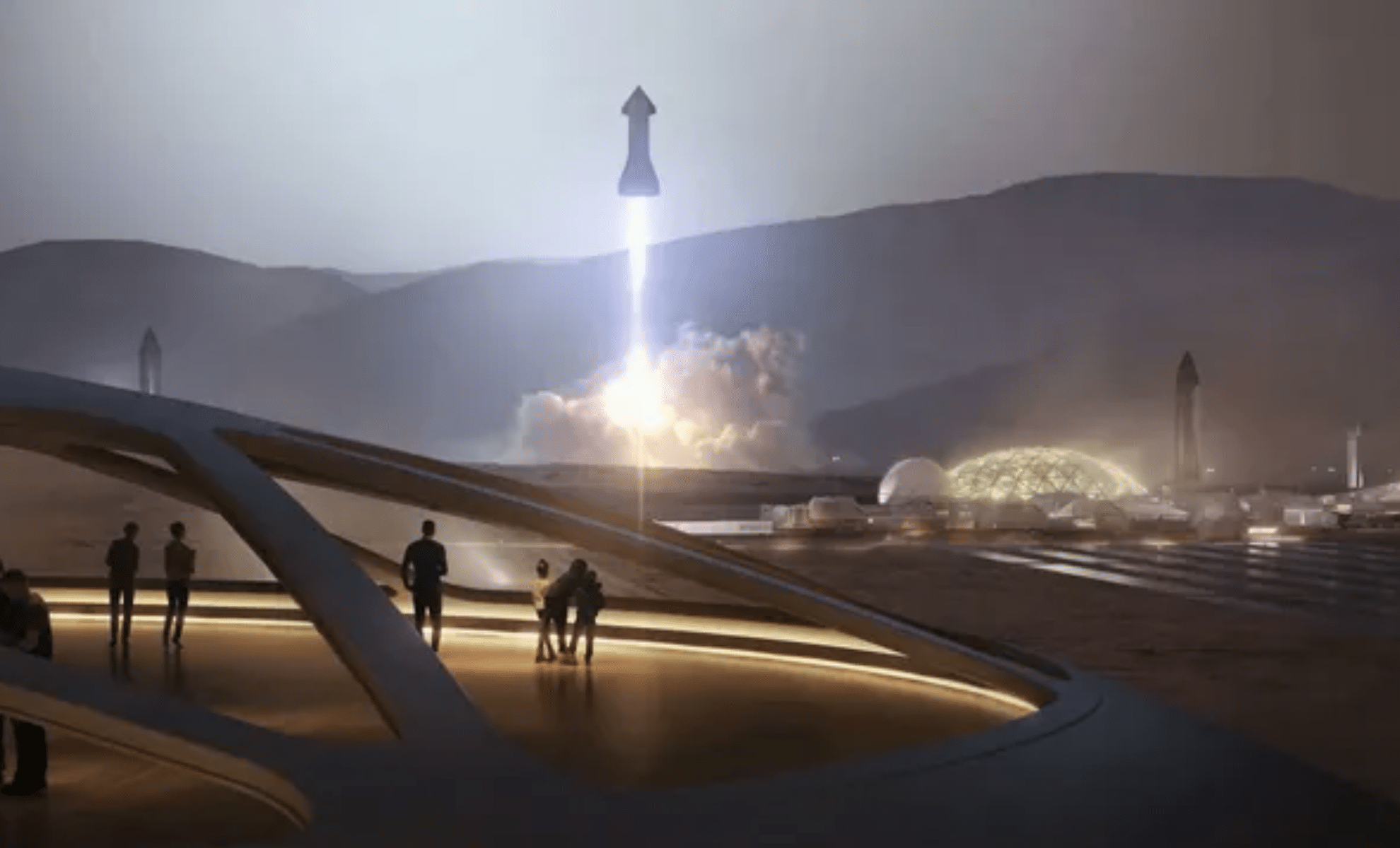
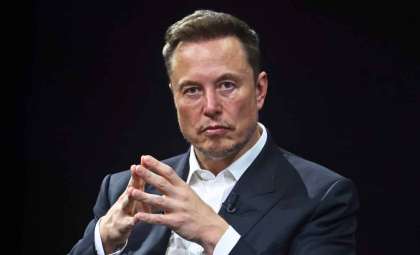
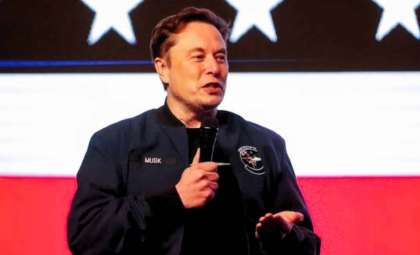
The longstanding vision of humans living on Mars is moving closer to reality due to remarkable advancements in aerospace technology. SpaceX CEO Elon Musk recently shared insights into how a permanent human settlement on the Red Planet could soon happen. During a talk at the All-In Summit, Musk detailed SpaceX’s approach with its Starship rocket, tackling major obstacles such as vehicle reusability and Martian infrastructure development.
Starship: The Backbone of SpaceX’s Mars Ambitions
The future of colonizing Mars hinges heavily on the capabilities of SpaceX’s Starship, recognized as the largest and most potent rocket ever designed. Central to SpaceX’s strategy is achieving full reusability of Starship, a move essential for slashing the costs of traveling between planets. Musk has stated his confidence that a self-sufficient colony on Mars can be established within three decades. As he explained, “It’s feasible in 30 years if the volume of cargo sent to Mars exponentially rises with each Mars transfer window,” which occurs roughly every two years when Earth and Mars align favorably for efficient flights.
Musk emphasizes that building a thriving Mars colony demands more than just settlers; it requires sending extensive shipments of equipment to develop habitats, food-growing facilities, and vital infrastructure. This entails scaling up payload deliveries dramatically every couple of years to sustain and expand the colony.

Starship’s design allows it to transport over 100 tons of cargo per mission to orbit, a vital feature for supporting prolonged Mars expeditions. This capacity will accommodate everything needed—from environmental support systems to building supplies and agricultural technology. Musk remains optimistic that the rocket’s reusability will let SpaceX carry out numerous affordable missions to the Red Planet.
Tackling the Technical Obstacles of Starship Reusability
Achieving full reusability of the Starship rocket presents significant engineering challenges critical for making Mars colonization feasible. Musk acknowledges ongoing development efforts, especially concerning the spacecraft’s heat shield. “Completing the Starship’s full reusability depends heavily on perfecting its heat shield,” Musk remarked in a recent discussion. He compared the difficulties to those encountered with NASA’s Space Shuttle, which required intensive heat shield refurbishing after each flight.
The heat shield plays a crucial role in safeguarding Starship from the intense heat generated when entering Earth’s atmosphere again. Musk pointed out that “a fully reusable orbital heat shield has never been accomplished before. The shuttle’s heat shield demanded nine months of repairs after every mission.” SpaceX’s team is advancing advanced materials and designs intended to endure repeated re-entries without degradation.
Engineers are pushing toward creating a robust yet lightweight heat shield capable of withstanding harsh space conditions while maintaining structural integrity. Musk is hopeful that, unless unforeseen obstacles arise, SpaceX will finalize full Starship reusability by next year—a breakthrough that could redefine possibilities for interplanetary travel and Mars habitation.
Crafting a Thriving, Independent Community on Mars
The ultimate aspiration goes beyond simply landing humans on Mars; it’s about building a resilient, self-sufficient settlement. Musk stresses that the colony must function independently without frequent resupply missions from Earth. “The crucial factor is establishing Mars as self-sufficient, enabling humanity to truly become a multi-planetary species and achieve planetary redundancy,” he noted.
Planetary redundancy means ensuring humanity’s survival does not rely solely on Earth, which faces catastrophic risks such as natural disasters or self-inflicted destruction. Musk envisions that spreading human civilization across planets could safeguard our future. The true test for the Mars colony will be its ability to sustain itself even if Earth stops sending resources.
Developing such autonomy demands advanced systems for energy production, agriculture, and manufacturing. Musk has already highlighted plans to harness the Martian atmosphere for fuel and devise infrastructure essential for long-term human presence. Additionally, the settlement will need capabilities to produce critical items like microchips, computers, and spacecraft components to support ongoing technological growth and survival.
- Categories:
- News





0 comments
Sign in to Comment