
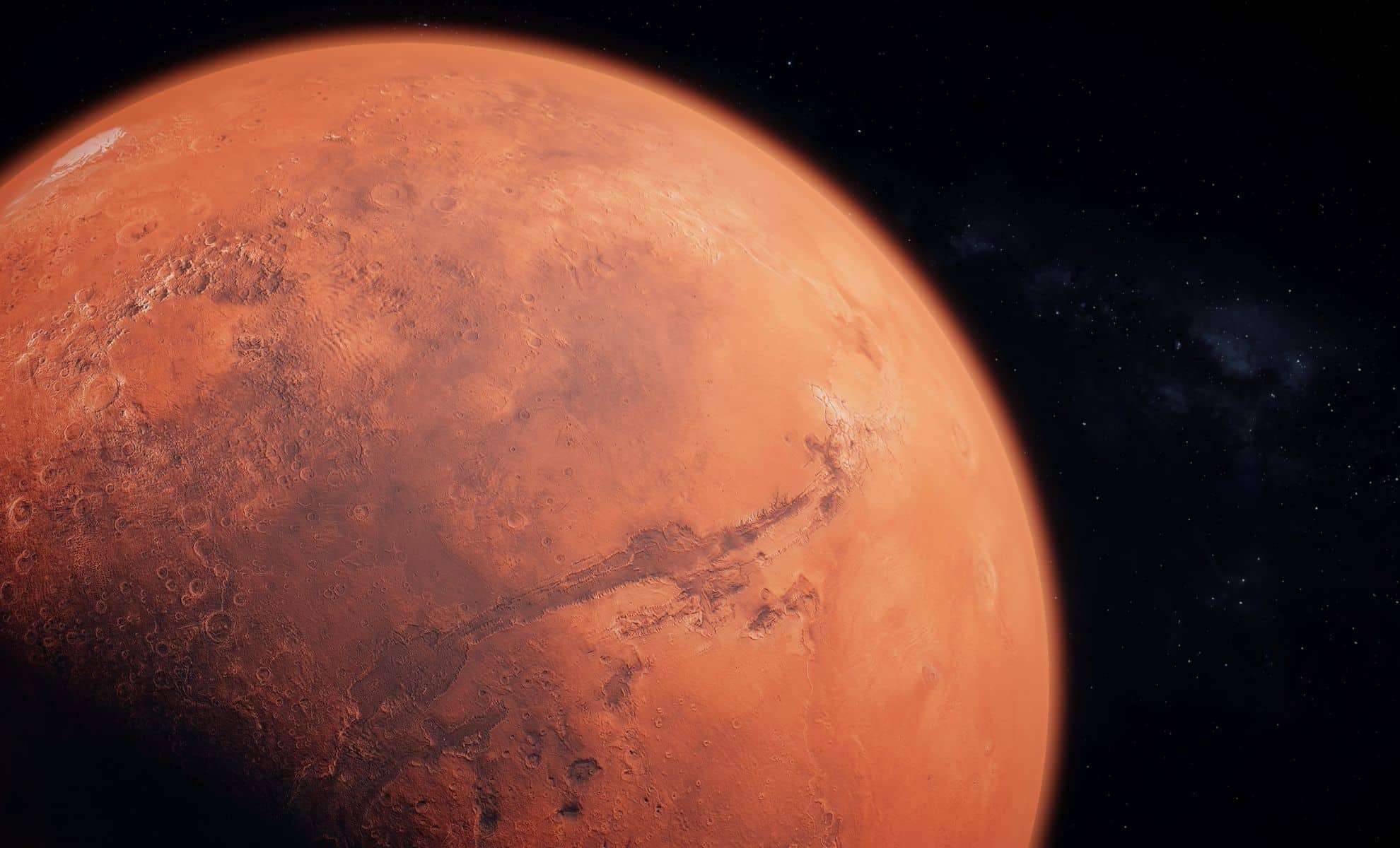
NASA’s Perseverance rover has discovered an intriguing cluster of unusual rocks on Mars, which could change our perceptions of the planet's environment in the distant past. These aluminum-rich stones, abundant in the mineral kaolinite, hint at a period when Mars experienced warmer, wetter conditions—possibly suitable for microbial life. Verifying this could revolutionize our knowledge of Mars’ geological and biological history.
Unraveling Mars’ Geological Mysteries
These curious white rocks were first spotted in photos taken by Perseverance after its touchdown in Jezero Crater. At first, scientists regarded the floating stones lying atop the surface as unremarkable since they weren’t anchored in bedrock.
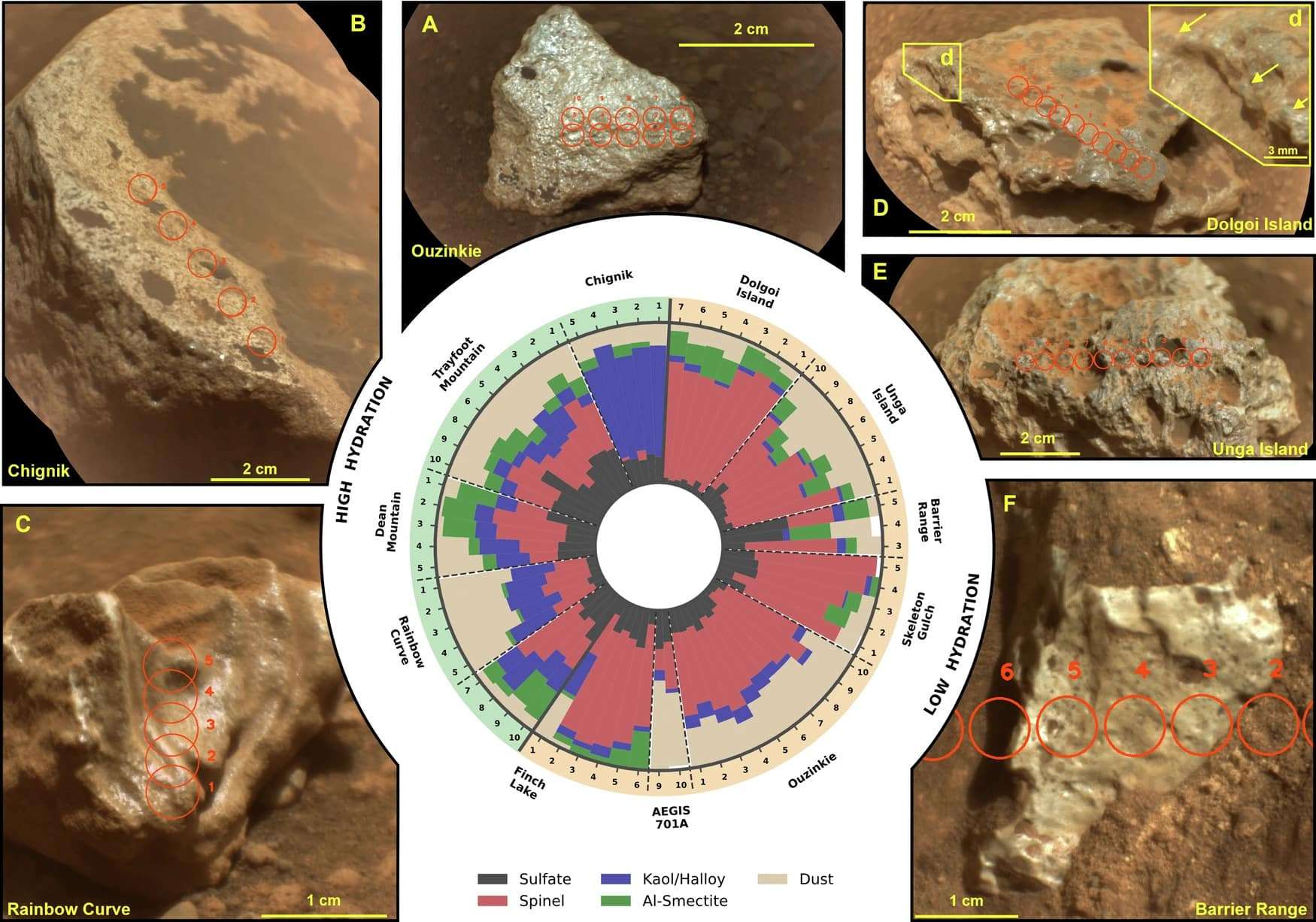
However, an analysis with the rover’s SuperCam instrument revealed that these rocks are unusually rich in aluminum and contain kaolinite—a mineral often associated on Earth with warm, watery environments.
Roger Wiens, a planetary expert at Purdue University, called the discovery "both surprising and exciting." He explained, “On Earth, kaolinite forms under wet, warm conditions or within hydrothermal regions such as hot springs—environments favorable to life as we know it.”

Reassessing Mars’ Climatic History
The detection of kaolinite disrupts the long-held belief that Mars has remained cold and arid throughout its history. On Earth, this mineral is typical of tropical zones, ancient soils, and hydrothermal areas—all supportive of life. The prospect that Mars once had persistent liquid water bolsters the argument for an environment that could sustain life.
Curiously, Martian kaolinite appears significantly harder than that found on Earth, a phenomenon that researchers have yet to explain. Furthermore, the rocks also contain spinel, a mineral usually associated with igneous and metamorphic origins, complicating the story of their formation.
Thousands of Martian Anomalies Discovered
Scientists have cataloged more than 4,000 of these unusual rocks across Jezero Crater, all detached from the bedrock and making their origin unclear. Perseverance is now traveling toward the crater rim, where orbital data indicates deposits rich in kaolinite.
Should the rover confirm kaolinite embedded in the bedrock, this would offer compelling proof that Mars once had stable, long-lasting water sources, enhancing the likelihood it was once habitable.
Is Water Still Present on Mars?
One of the great enigmas of Mars is the fate of its water. Currently, the Red Planet is dry and frigid, with frozen water mainly hidden beneath its surface. Yet Wiens posits that substantial amounts of water may remain trapped within minerals like kaolinite, locked deep within Martian rock layers.
““As a mineral, kaolinite has a lot of water bound up in its structure,” Wiens said. “It’s possible that a lot of the water is still there on Mars, bound up in the minerals.”
With NASA’s sample return mission pending, upcoming research may finally unravel these mysteries. Discovering signs of ancient life preserved in these rocks would constitute a historic breakthrough for science.











0 comments
Sign in to Comment