
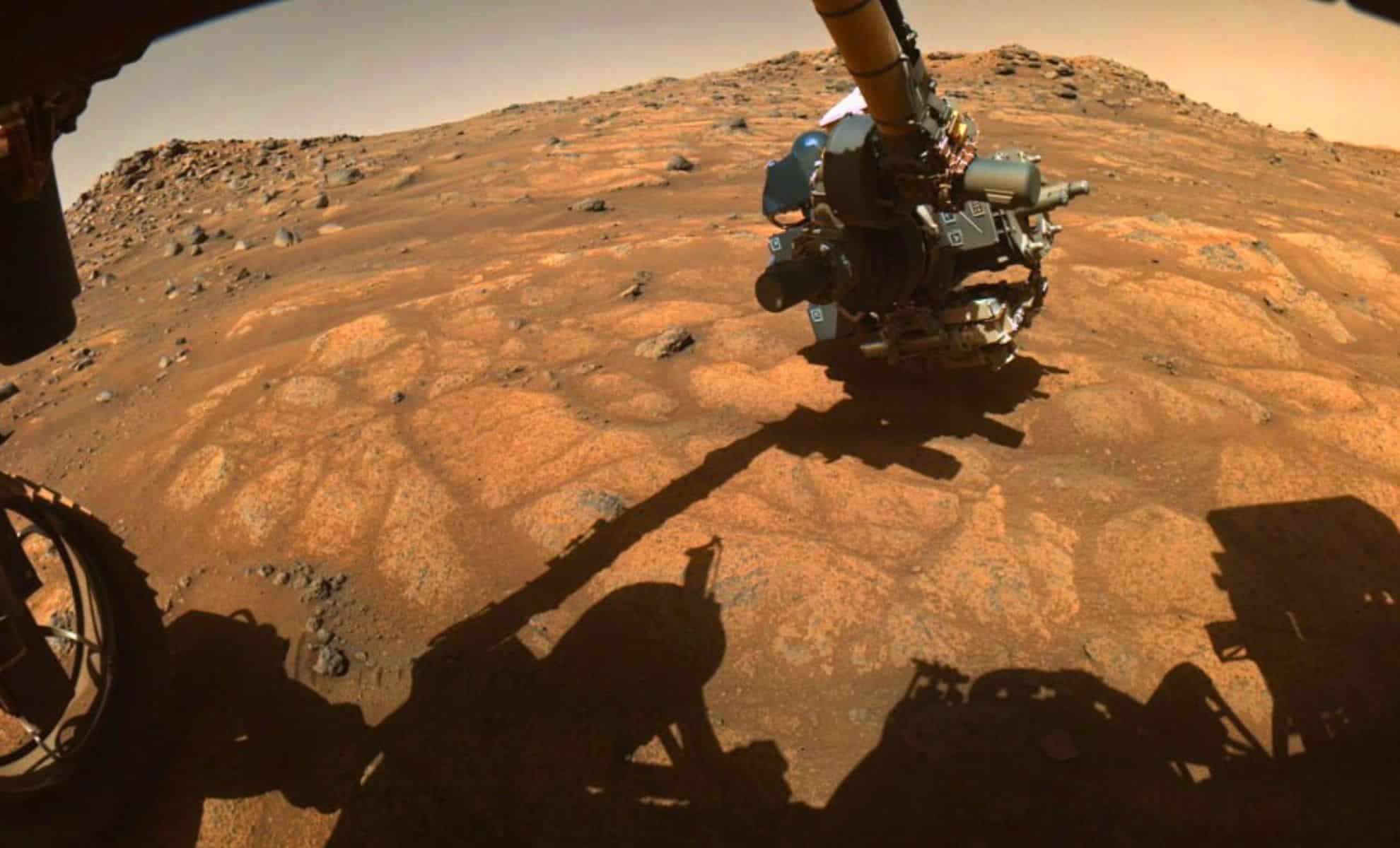
Perched atop the rugged edges of Jezero Crater, NASA’s Perseverance rover has revealed a remarkable geological find: ancient Martian stones that may surpass the age of any known material on Earth. This discovery provides a unique glimpse into the early solar system and sparks intriguing questions about Mars’ ability to have supported life billions of years ago.
Journey to Mars’ Ancient Terrain
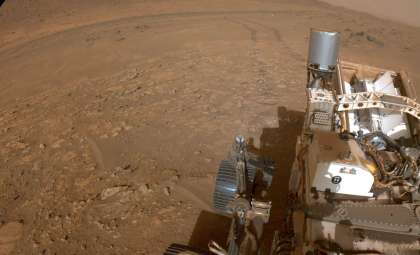
After a challenging three months of climbing, Perseverance reached Jezero Crater’s rim on December 11, 2023, after navigating 500 meters of rugged and slippery slopes. The rover’s arrival at the Pico Turquino Hills rewarded scientists with access to rocks possibly older than 4 billion years—older than Earth’s oldest surfaces.
“This represents one of the mission’s most thrilling achievements,” remarked Kenneth Farley, a Caltech geochemist and Mars 2020 project scientist. “We’re examining rocks formed near the very dawn of our solar system’s history.”

Unlike Earth, where tectonic movement has largely erased ancient crust, Mars has retained these primordial materials. The new discoveries provide insight into the formative processes of rocky planets, including our own.
Insights from the Pico Turquino Hills
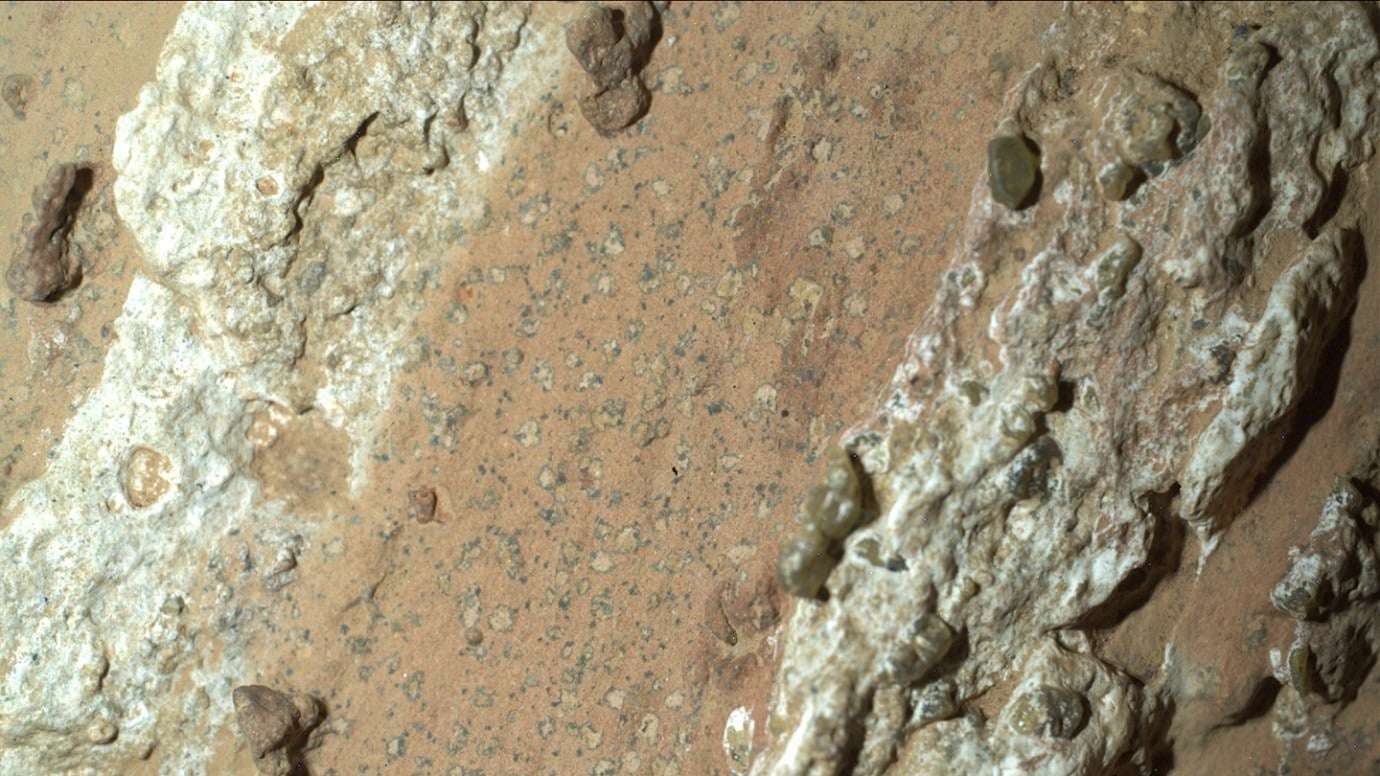
Perseverance’s investigations in the Pico Turquino region uncovered a complex array of rock formations, indicating a multifaceted geological past. Farley characterized the outcrops as “highly varied,” with a blend of igneous minerals and clear signs of water-related transformation. These rocks are believed to be remnants of Mars’ earliest crust, preserved intact for billions of years.
Key Highlights of the Pico Turquino Find
- Estimated Age: More than 4 billion years, ranking among the solar system’s oldest materials.
- Makeup: Mainly igneous minerals showing evidence of alteration by water.
- Scientific Importance: Offers essential clues about the development of rocky planets.
These results highlight the significance of planned missions to return Martian samples to Earth. While Perseverance’s instruments provide vital information, definitive dating and isotopic studies depend on more advanced labs back home.
A Surprising Quartz Discovery
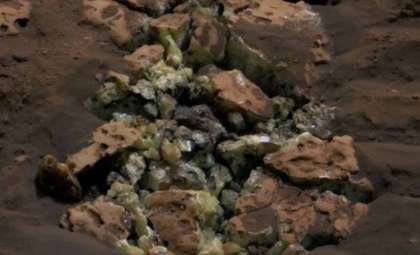
During its trek through the hills, Perseverance also encountered an unexpected feature: clusters of bright white quartz stones. On Earth, quartz typically forms in hydrothermal environments where warm, mineral-rich waters flow—settings known to support life.
“Quartz has never before been found on Mars,” Farley noted, describing the stones as “cantaloupe-sized” and scattered throughout the landscape. This presence suggests that Mars once hosted hydrothermal activity similar to terrestrial hot springs, which on Earth are abundant with microbial organisms, hinting Mars might have supported comparable habitats.
“This points to a potentially habitable setting that differs from the habitable zones Perseverance has studied on the crater floor,” Farley explained. Although the rover can’t drill into the loose quartz stones, efforts are underway to locate embedded quartz for detailed analysis.
Next Destination: Witch Hazel Hill
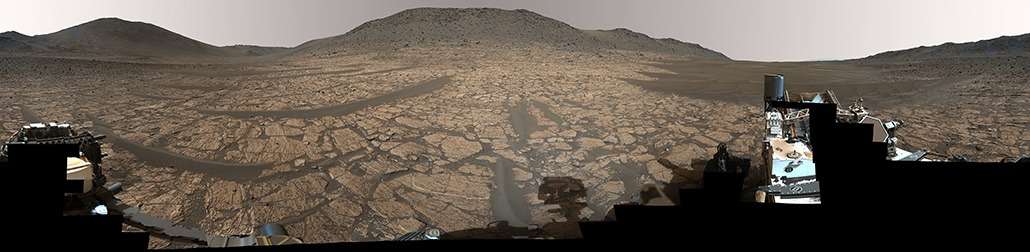
The rover’s expedition continues toward Witch Hazel Hill, identified by orbital data as a site rich in layered rocks. Planetary scientist Candice Bedford called the layers a geological “time capsule”: “Studying these layers feels like flipping through the pages of Mars’ history.”
This location promises to expand knowledge of Martian geology beyond the crater rim. The stratified rocks may offer fresh insights into the ancient environment of Mars and its ability to sustain life.
Upcoming Objectives:
- Analyzing rock layers: Understanding how these formations fit into Mars’ geological timeline.
- Collecting samples: Pinpointing prime candidates for future sample return efforts.
- Searching for life evidence: Probing varied ancient environments for signs of habitability.
Revealing Mars’ Ancient Mysteries
With each new finding, Perseverance enriches our understanding of Mars’ history. From uncovering rocks that outdate Earth’s oldest formations to the unexpected quartz discoveries, the rover is transforming our view of the Red Planet.
These discoveries extend beyond Mars itself. By examining these ancient materials, scientists seek answers to fundamental questions about planetary origins, conditions for life, and the evolutionary forces shaping the solar system.










0 comments
Sign in to Comment