
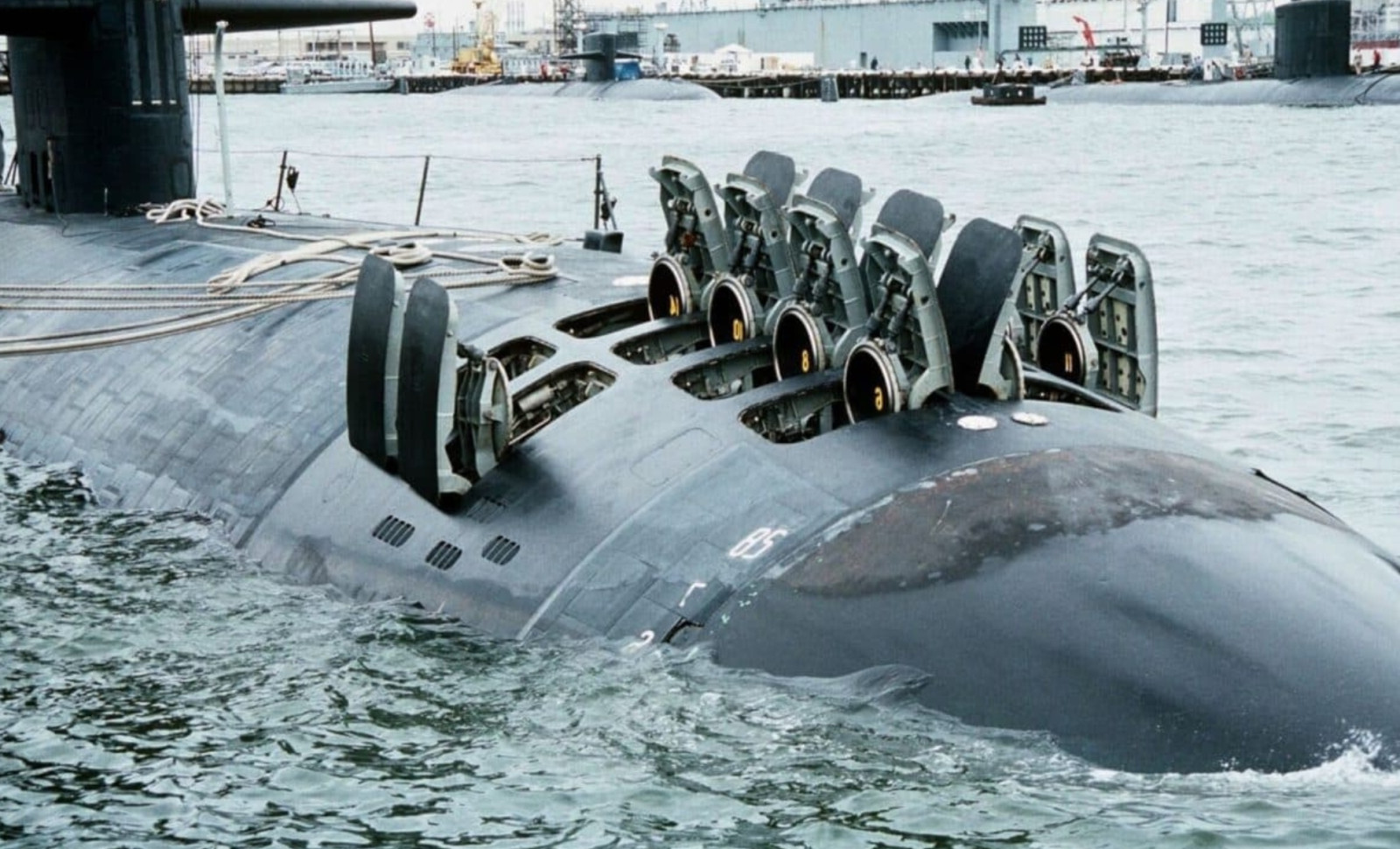
The U.S. Navy is grappling with an unexpected deficit of over 2,000 missile launch cells as the service prepares to retire four veteran Ohio-class guided-missile submarines. A March 2026 fleet modernization review uncovered a significant decline in strike capacity that won't be easily or promptly replenished.
The key number driving concern is 2,080. This figure accounts for the total Vertical Launch System (VLS) cells the fleet will lose once the four Ohio-class subs and twelve Ticonderoga-class cruisers are decommissioned.
The submarines alone provide 616 Tomahawk missile tubes, a capacity no other vessel within the fleet can match. This capability gap emerges amid shipyard labor shortages and backlog challenges that jeopardize the Navy's ability to deliver replacements on schedule.

The Potent Firepower of Four Ohio-Class Subs
The vessels at the core of this issue include the USS Ohio, USS Michigan, USS Florida, and USS Georgia. Initially designed as ballistic missile submarines, these four were retrofitted in the early 2000s to carry conventional Tomahawk cruise missiles. Each was outfitted with an impressive 154 launch cells, creating the densest aggregation of long-range strike weapons beneath the ocean's surface.
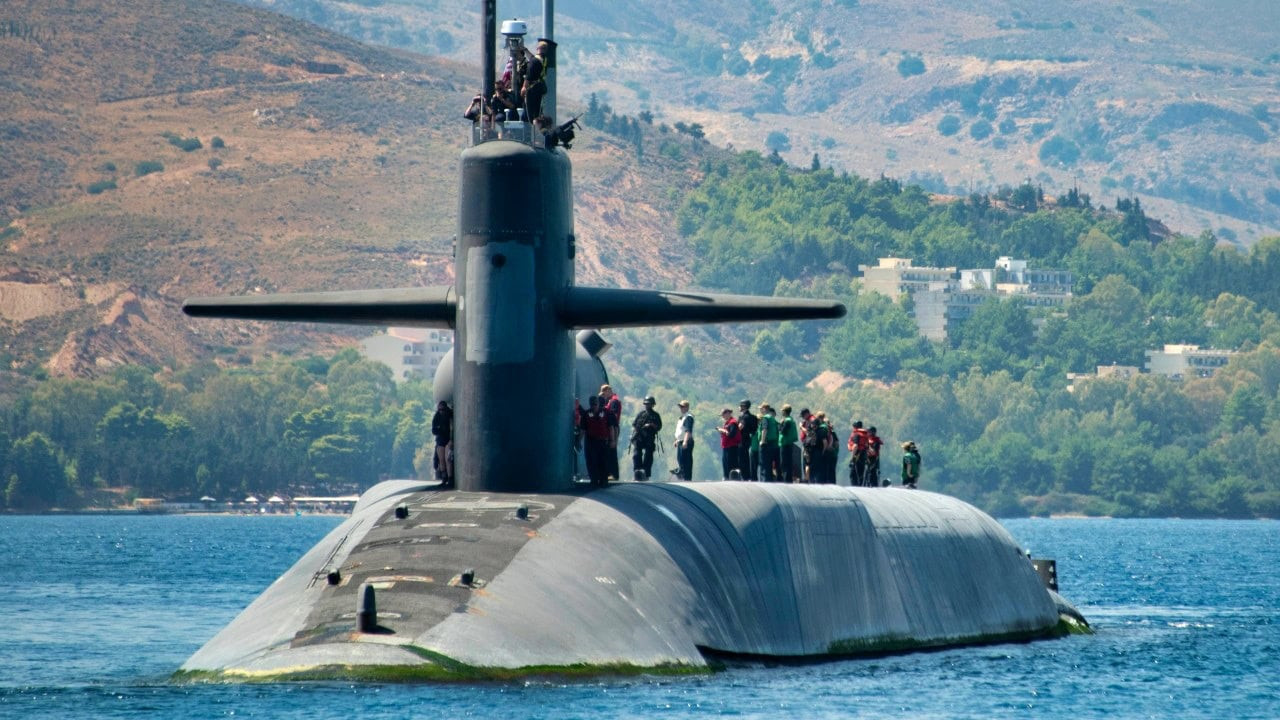
This concentration provides unique operational advantages. Unlike attack submarines, which offer stealth but carry limited armament, and surface vessels that pack firepower but lack undercover capability, these Ohio-class SSGNs can unleash large missile barrages from undetectable locations and vanish quickly. They operate submerged for extended periods without needing air or surface support.
Beyond missile strikes, these subs support special operations forces with specialized lock-in/lock-out chambers and mission bays added during conversion. According to the Commander of the U.S. Pacific Fleet Submarine Force, these vessels deploy unmanned underwater vehicles and collect intelligence during long forward deployments. Two forward tubes on each sub have been modified for covert insertion and extraction of Navy SEALs or other personnel.
Replacement Submarines Won't Fully Close the Gap
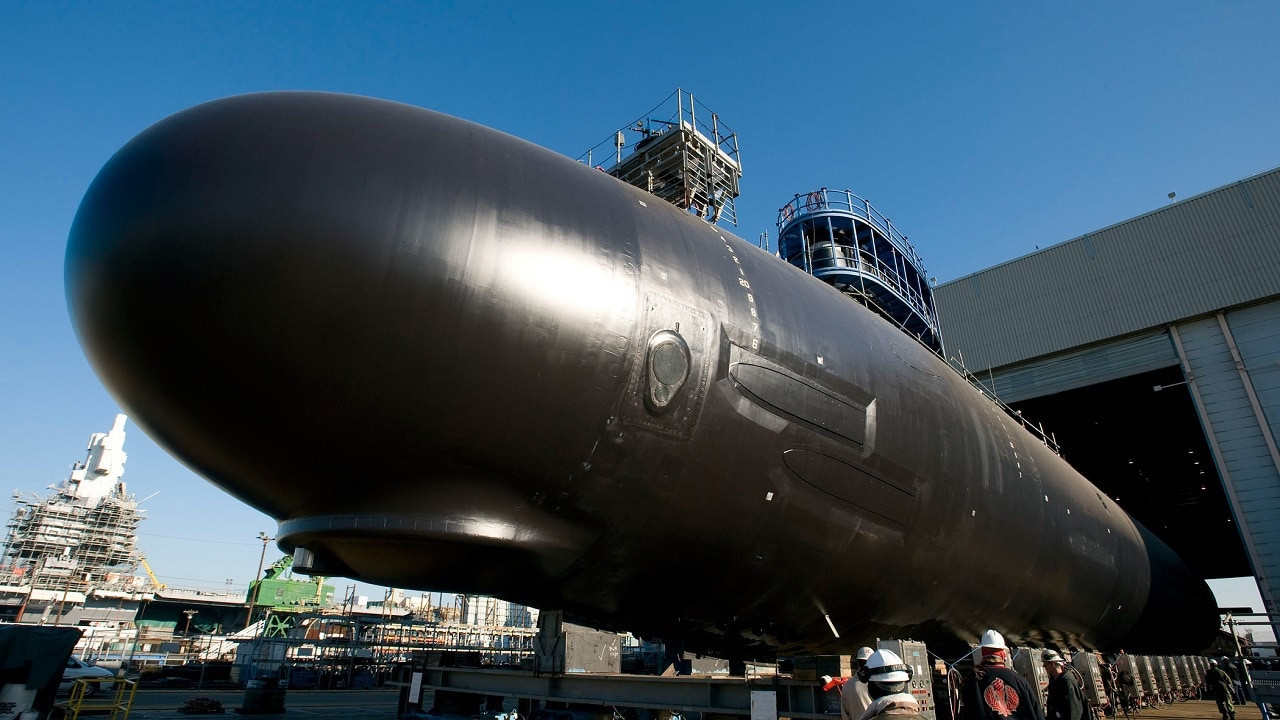
The Navy intends to substitute the retiring strike capacity with Block V Virginia-class submarines equipped with the Virginia Payload Module. This modification adds an 83-foot hull section, boosting missile capacity to 40 VLS tubes per submarine — making these subs the second-largest ever built by the U.S. Navy, after the Ohio class.
Nevertheless, the numerical disparity is considerable. Each Virginia-class sub carries 28 more Tomahawk tubes than previous versions, but falls far short of the Ohio-class SSGN’s 154 tubes. Bridging this gap would require accelerated production of multiple new attack submarines, a pace shipyards currently cannot maintain.
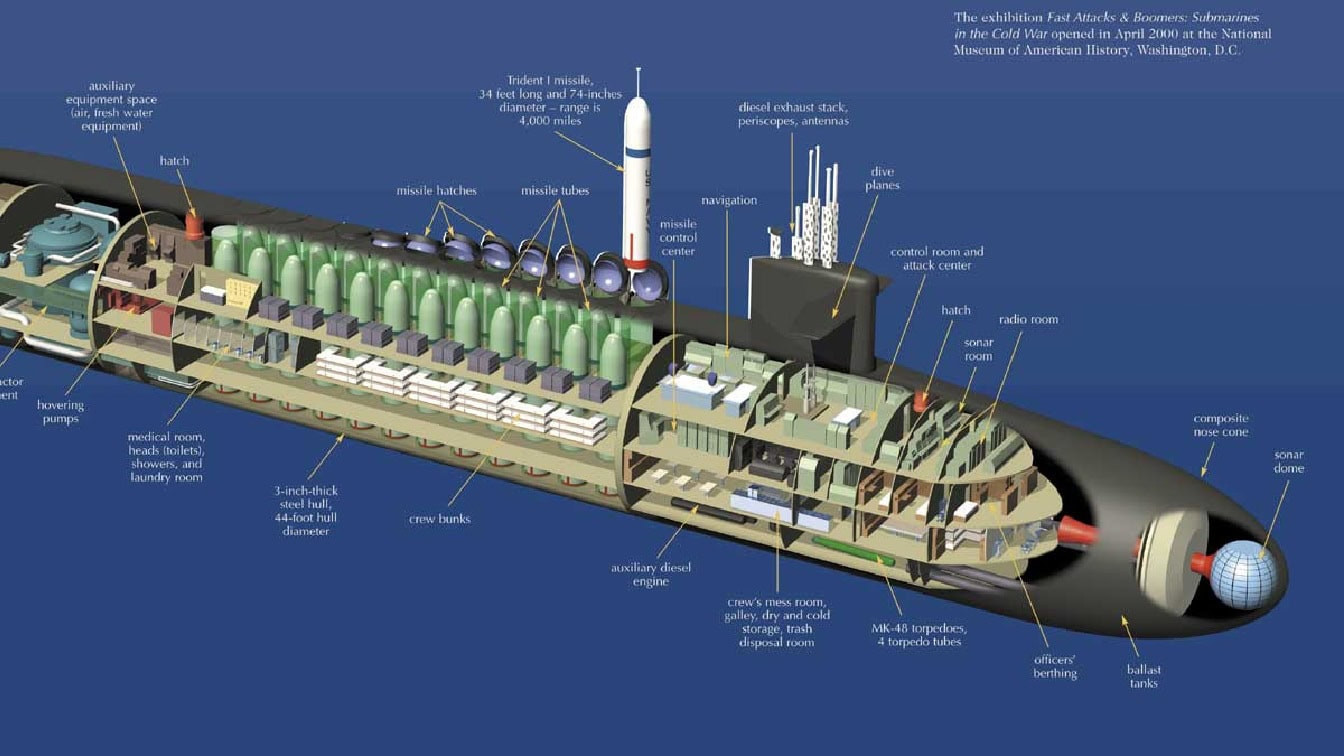
A report by 19FortyFive highlights enduring delays and cost overruns in the Columbia-class submarine project, valued at roughly $130 billion for 12 vessels. These boats are designated for nuclear deterrence roles and carry Trident ballistic missiles, not Tomahawks, so they won’t alleviate the conventional strike shortfall caused by retiring Ohio-class SSGNs.
The pressure mounts with timing. The first Columbia-class sub must arrive by 2030 to maintain continuous deterrence as Ohio-class ballistic missile subs retire starting in 2027. Pursuing Columbia- and Virginia-class build programs concurrently strains an already limited industrial workforce.
Shipyard Limitations Worsen Shortage
Since the Gulf War, American shipbuilding capacity has decreased by about 30%, according to the 19FortyFive analysis. Although the Navy is investing in improving submarine supplier infrastructure and expanding production, results are years away. Meanwhile, Ohio-class hulls surpass 30 years in age, with reactors nearing lifespan limits, and issues like metal fatigue necessitate vigilant monitoring.
General Anthony Cotton, U.S. Strategic Command Commander, is quoted by 19FortyFive urging an extension of the fleet beyond the planned 12 Columbia-class subs. This suggestion reflects the broader challenge of aging undersea assets outpacing their replacements.
As noted in the Indian Defence Review, Naval News correspondent Peter Ong tallied the combined VLS cell loss: “That gives a total of 1,464 VLS cells for the cruisers and 616 VLS cells for the SSGNs for a combined total of 2,080 VLS cells.” The cruisers' VLS cells support a broader missile mix—including Standard missiles and Evolved Sea Sparrows—enhancing their versatility compared to the submarines’ tubes.
Strategic Planning Adapts to Reduced Firepower
Naval strategists have begun adjusting their operational models to account for the disappearance of 2,080 VLS cells. This recalibration affects war game scenarios, deployment rotations, and ammunition load calculations across various theaters. These determinations impact how long forces can remain on station without rearming and how many strikes can be sustained.
The withdrawal of a single Ohio-class SSGN significantly alters regional firepower dynamics, often requiring multiple surface ships or attack subs to fulfill the same mission. Navy internal assessments now integrate the shortfall into long-term procurement plans and readiness estimates. In sum, the challenge isn’t technical deterioration but a straightforward shortage in missile capacity.
No official changes to the retirement timeline have been publicized. All four Ohio-class guided-missile submarines remain active, each still equipped with their signature 154 Tomahawk missiles that have defined their role since their conversion.
- Categories:
- News










0 comments
Sign in to Comment