

In December 2025, a Dutch naval frigate engaged with a drone swarm off the UK coastline. This undertaking was neither a conventional combat mission nor a standard training exercise. Spanning three days, the operation combined live-fire exercises, simulated threats, and multinational teamwork, making it one of NATO's most sophisticated maritime training exercises to date.
Organized by the UK defense innovation firm QinetiQ, Exercise Sharpshooter represents a growing focus on hybrid warfare preparedness. This event marked the inaugural involvement of a NATO ally in this format as military strategists strive to counter threats from autonomous platforms, multi-domain assaults, and saturation attacks.
Participants were challenged to detect, track, and neutralize multiple concurrent threats, both actual and simulated, in a fast-paced environment replicating modern combat scenarios. The exercise was designed to assess not only weapons accuracy but also crew effectiveness under heavy multi-directional pressure.

Dutch Warship Engages Multiple Active Targets in UK-Led Exercise
During the December drills, the Royal Netherlands Navy deployed its air defense command frigate, HNLMS Evertsen, operating approximately 20 miles from the Welsh shore. The exercise featured five Banshee Whirlwind aerial drones alongside two Hammerhead uncrewed surface vessels, both set up to emulate authentic drone assault tactics.
As reported by UK Defence Journal and Indian Defence Review, the Evertsen successfully intercepted all seven live targets through its onboard combat technologies. The threat environment also incorporated virtual threats such as cruise missiles, ballistic projectiles, and enemy aircraft, introduced using QinetiQ’s synthetic simulation systems. These simulated threats interacted with the ship’s real combat controls to test coordinated responses in real time.
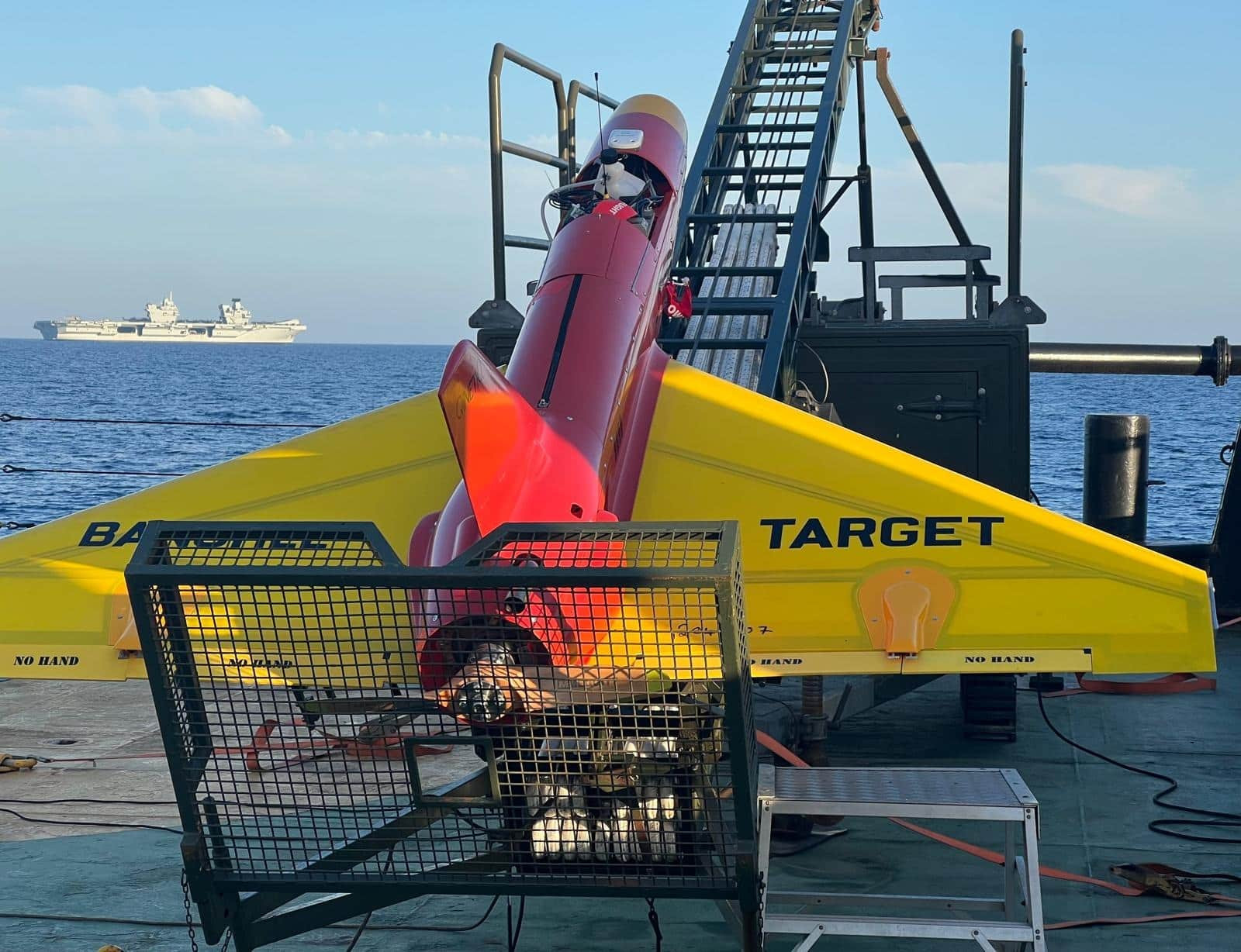
The full event was coordinated from the UK Ministry of Defence’s Aberporth Weapons Range, with tactical execution and system integration managed by Inzpire, a QinetiQ subsidiary specialized in synthetic combat training.
Exercise Praised by Naval and Industry Leaders
Commander Marcel Keveling from the Royal Netherlands Navy highlighted the exercise’s authenticity and operational benefits. In official comments released by QinetiQ, he remarked:
“To be able to fire at live targets and keep our crew in a higher state of readiness for multiple days has taught us many lessons we aim to take with us when sailing on an operational level.”
Will Blamey, UK Defence Chief Executive at QinetiQ, added that the drill enabled the UK and its allies to collaborate closely, exchanging tactics and insights to enhance overall preparedness. This marked the first occasion a non-UK NATO member combined synthetic and live naval threats in a single exercise.
Advanced Scenario Challenges Combat Systems and Crews
Exercise Sharpshooter pushes beyond traditional war games by merging live drone targets with simulated missile assaults. This fusion replicates the complex multi-domain combat environments that navies are increasingly encountering.
Crew members must simultaneously manage data from live, virtual, and surface threats, requiring swift decision-making and revealing any system latency or operational bottlenecks.
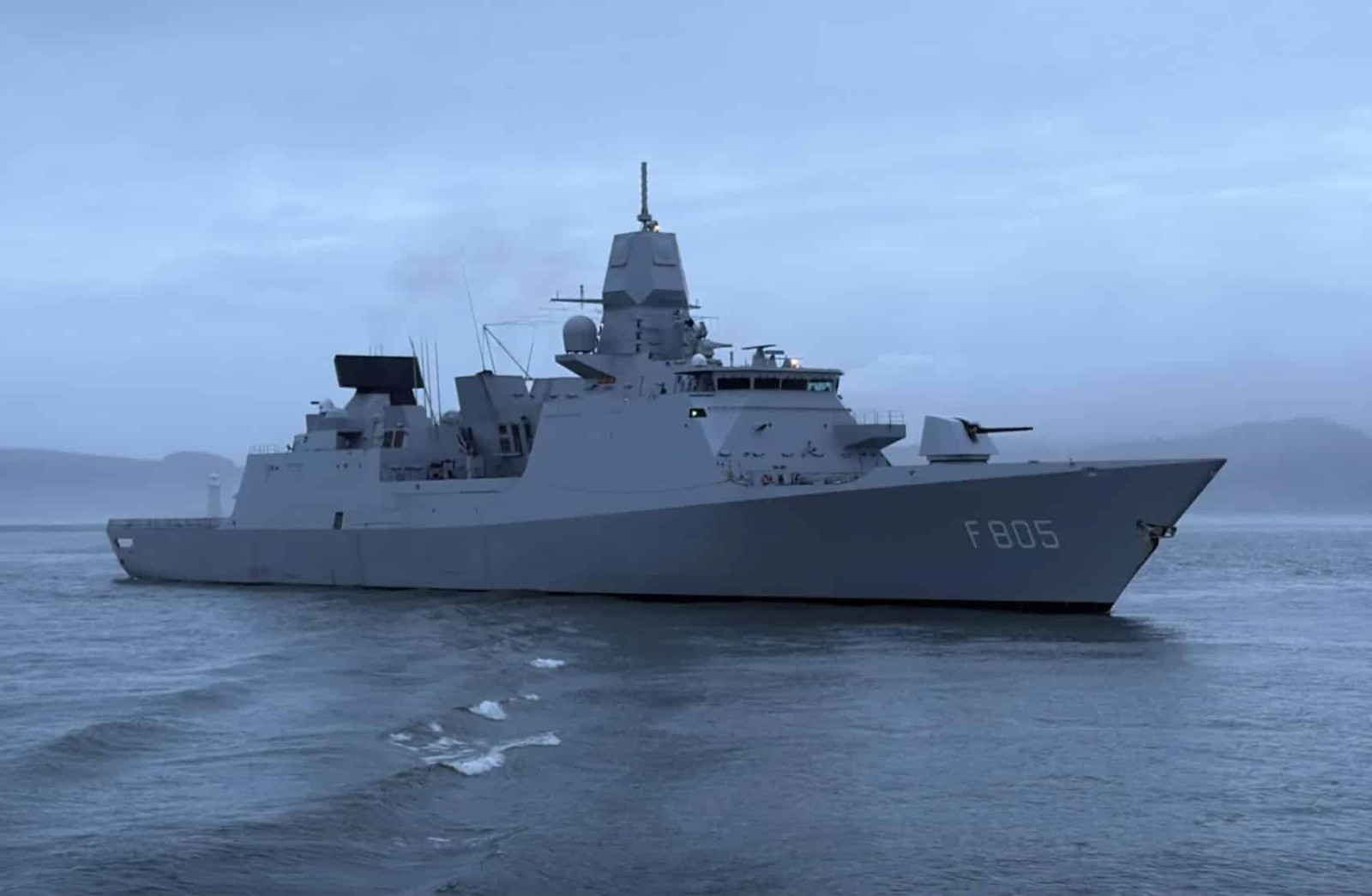
Experts from Inzpire were embedded aboard Evertsen and stationed at the control center to oversee synchronization and maintain exercise accuracy. There were no reported system malfunctions, and all live targets were effectively neutralized within the exercise timeframe.
The Royal Netherlands Navy has not disclosed a formal technical evaluation yet, but internal reviews are anticipated early next year. Critical performance data, such as sensor tracking efficacy, response delay, and firing sequences, remain confidential.
NATO Expansion Hindered by Costs and Compatibility Issues
Though Exercise Sharpshooter has demonstrated substantial technical success, broader NATO adoption remains limited. To date, only the UK and Netherlands have committed to full-scale drills combining physical and synthetic threat layers.
Financial constraints are a major consideration. Analysts cited by the Indian Defence Review estimate the cost of each exercise at several million British pounds, factoring in synthetic threat development, deployment logistics, and munitions expenses.
Past exercises involved Royal Navy destroyers and joint operations like Exercise Med Strike and Formidable Shield, which focused on missile defense and coalition exercises. Additional NATO members have not yet announced participation.
QinetiQ has confirmed planning further trials but has not released details on involved countries or scheduling.
Global Naval Conflicts Drive Demand for Advanced Drone Defense
NATO's naval strategists are closely monitoring the rise of drone swarm tactics seen in areas like the Red Sea and Eastern Mediterranean. These operations, often conducted by non-state forces, increasingly target commercial and military vessels using affordable, agile drones that evade detection and interception.
As unmanned platforms become more prevalent, exercises like Sharpshooter provide scalable training solutions to develop complex defensive responses without endangering personnel. The drills help measure and improve crew vigilance, interception timing, and command coordination in demanding scenarios.
With HNLMS Evertsen meeting its engagement goals and intercepting all live targets, the Netherlands has become the first NATO ally to complete the integrated synthetic-live exercise cycle within the UK’s Sharpshooter program.
- Categories:
- News












0 comments
Sign in to Comment