
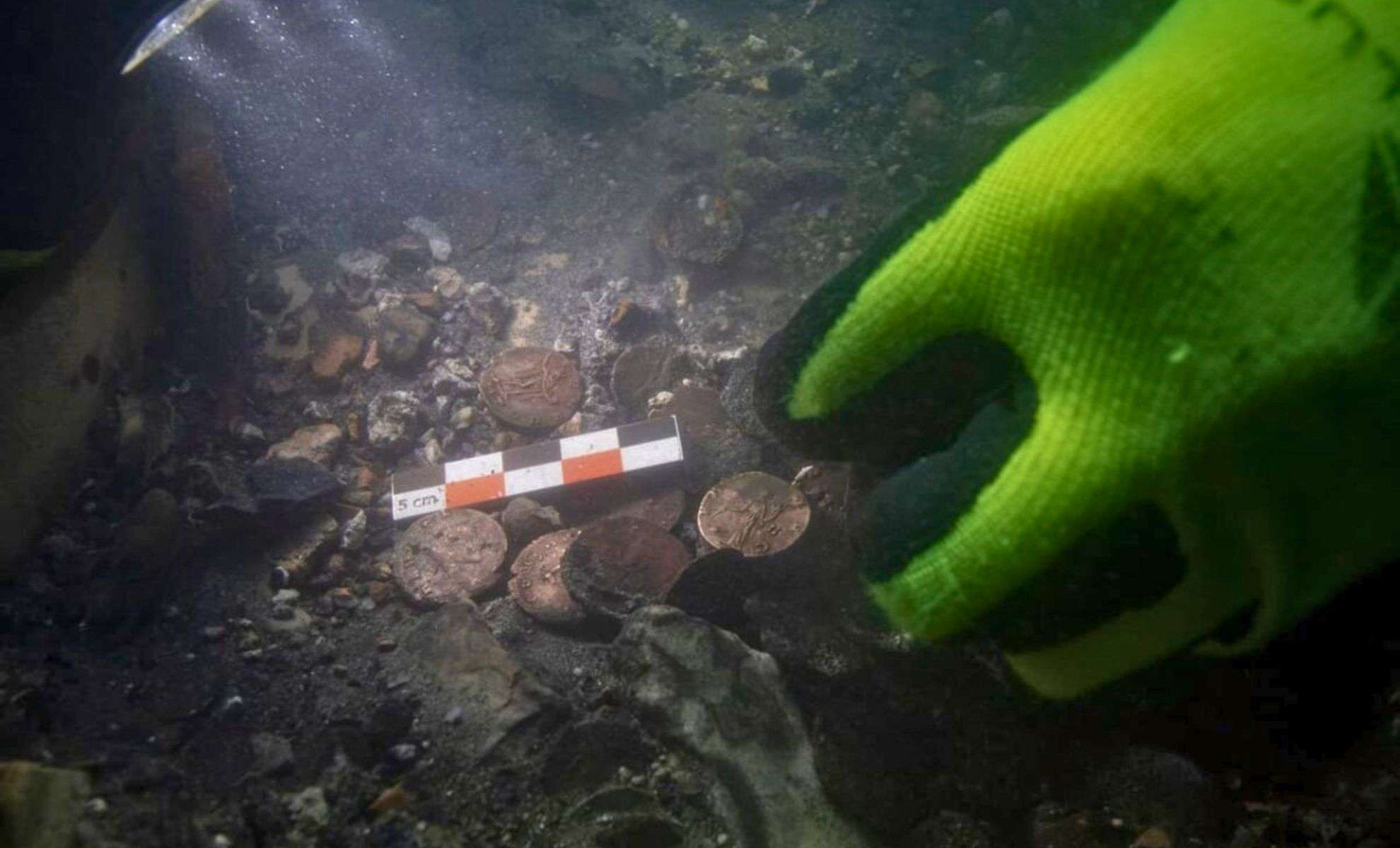
Archaeologists exploring the depths of southern France’s Rhône River have uncovered an extraordinary hoard of 847 Roman coins, preserved for almost two millennia. The find emerged from the Trinquetaille neighborhood in Arles, where a submerged Roman merchant ship, dating back to the empire’s commercial zenith, had been concealed beneath river sediments.
Unearthed during a recent deep-water archaeological mission, this remarkable collection promises to illuminate aspects of trade networks, imperial dynamics, and nautical life in Roman Gaul. The Musée Départemental Arles Antique, alongside multiple national research organizations, shared news of the breakthrough.
Discovering History in Layers Below the Rhône
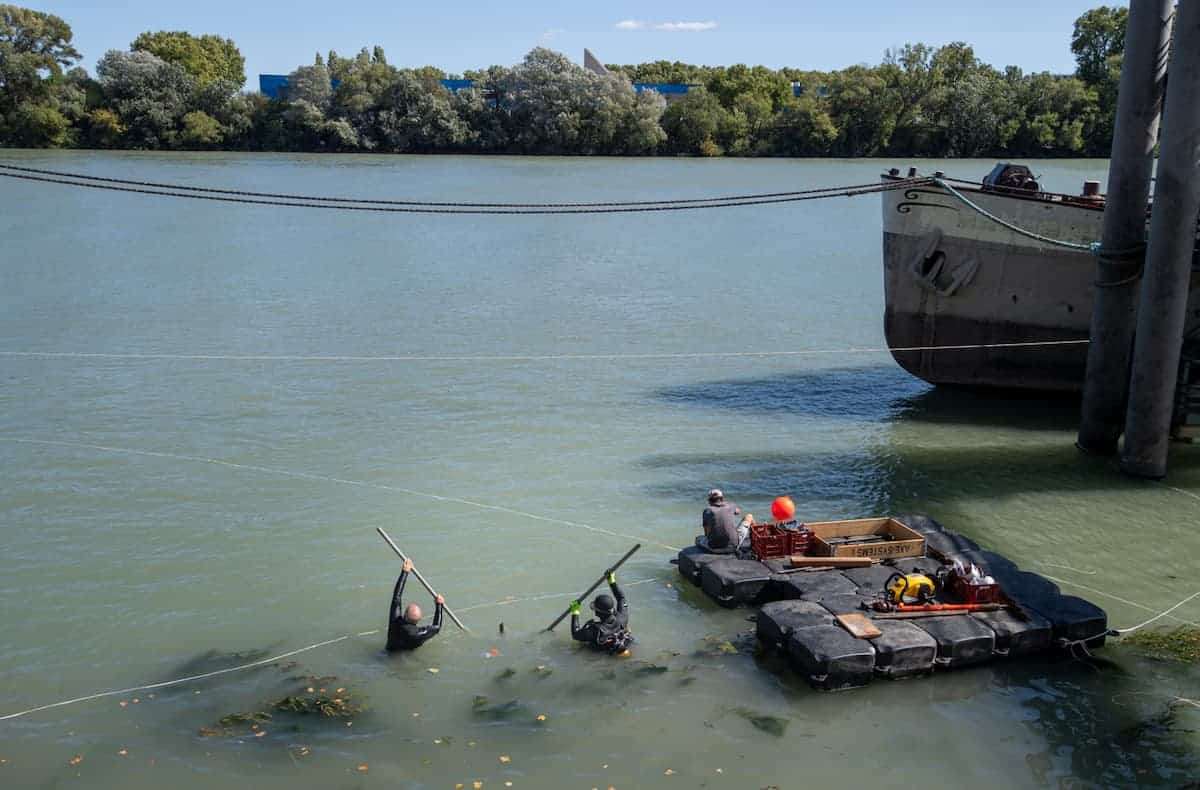
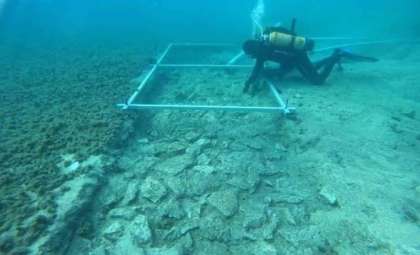
The expedition launched in late August and is anticipated to wrap up by early October. Featuring about fifteen experts—including archaeologists, ceramics analysts, conservators, and survey specialists—the team confronted challenging underwater conditions. Guided by underwater archaeologist David Djaoui, they executed dives in murky, fast-flowing currents to access the submerged site.

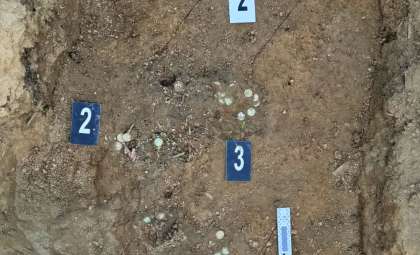
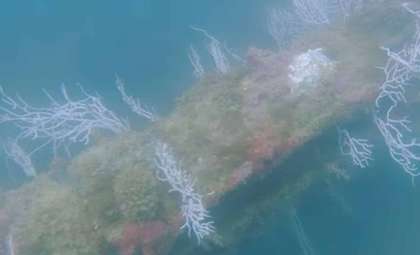
Initial dives produced early rewards: first a group of 60 coins, then another batch of 80. The breakthrough moment arrived when divers encountered a dense concentration exceeding 600 coins together. These coins rested just above the remains of a 20-meter Roman cargo vessel, its hull outline still discernible beneath the riverbed.
Though most coins date from the 3rd century AD, the team was astonished to identify one exceptional piece: an Emperor Trajan sestertius, minted in 116 AD. Experts hailed this coin as possessing “immeasurable historical significance,” linking directly to one of Rome’s most prominent emperors.
Preserved by Sediments and Oxygen Deprivation
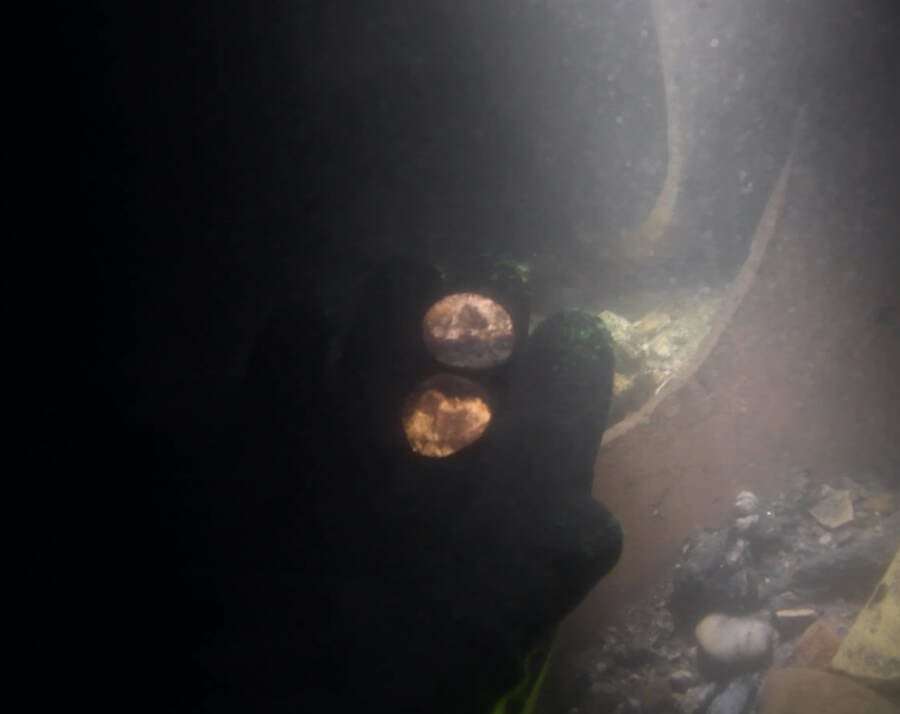
Encased in anaerobic sediment at the river’s bottom, the coins were shielded from oxygen exposure, significantly reducing corrosion. This preservation allowed intricate details to remain intact, ready for thorough examination by numismatists. Researchers plan to study the portraits of emperors, origins of the mints, and symbolic attributes to better understand the Roman Empire's economy during the period.
The circumstances of the coins’ entry into the watercourse remain uncertain. Djaoui’s team leans towards an accidental loss theory; the coins might have fallen during a river voyage or the ship’s sinking, possibly due to unforeseen mishaps or a larger undocumented incident. With no container like a chest or pouch found nearby, the exact situation surrounding the spill remains a mystery.
However, Djaoui expresses continuing hope: “What we are most eager to discover now is the actual vessel that carried these coins — surely a treasure chest straight from the stories.”
Decoding Ancient Life One Coin at a Time
The Rhône has a history of revealing important Roman artifacts, including the renowned Caesar bust discovered in 2007 and coin collections found in 2018. Once the site of Arelate, a Roman military settlement inhabited by veterans from Legio VI Ferrata, this region was a critical hub for commerce throughout Gaul. As such, the riverbed serves as a historical vault of the empire’s economic and cultural exchanges.
Following conservation and restoration, the coins are scheduled for public exhibition at the Musée Départemental Arles Antique within the next two years. They will expand an already extraordinary collection drawn from the Rhône’s depths.
For the archaeologists, exploration continues. Djaoui remarks, “The Rhône’s waters near Arles will keep yielding extraordinary finds for centuries, possibly millennia,” echoed by his team’s optimism that this river’s secrets are far from fully uncovered.
- Categories:
- News






0 comments
Sign in to Comment