
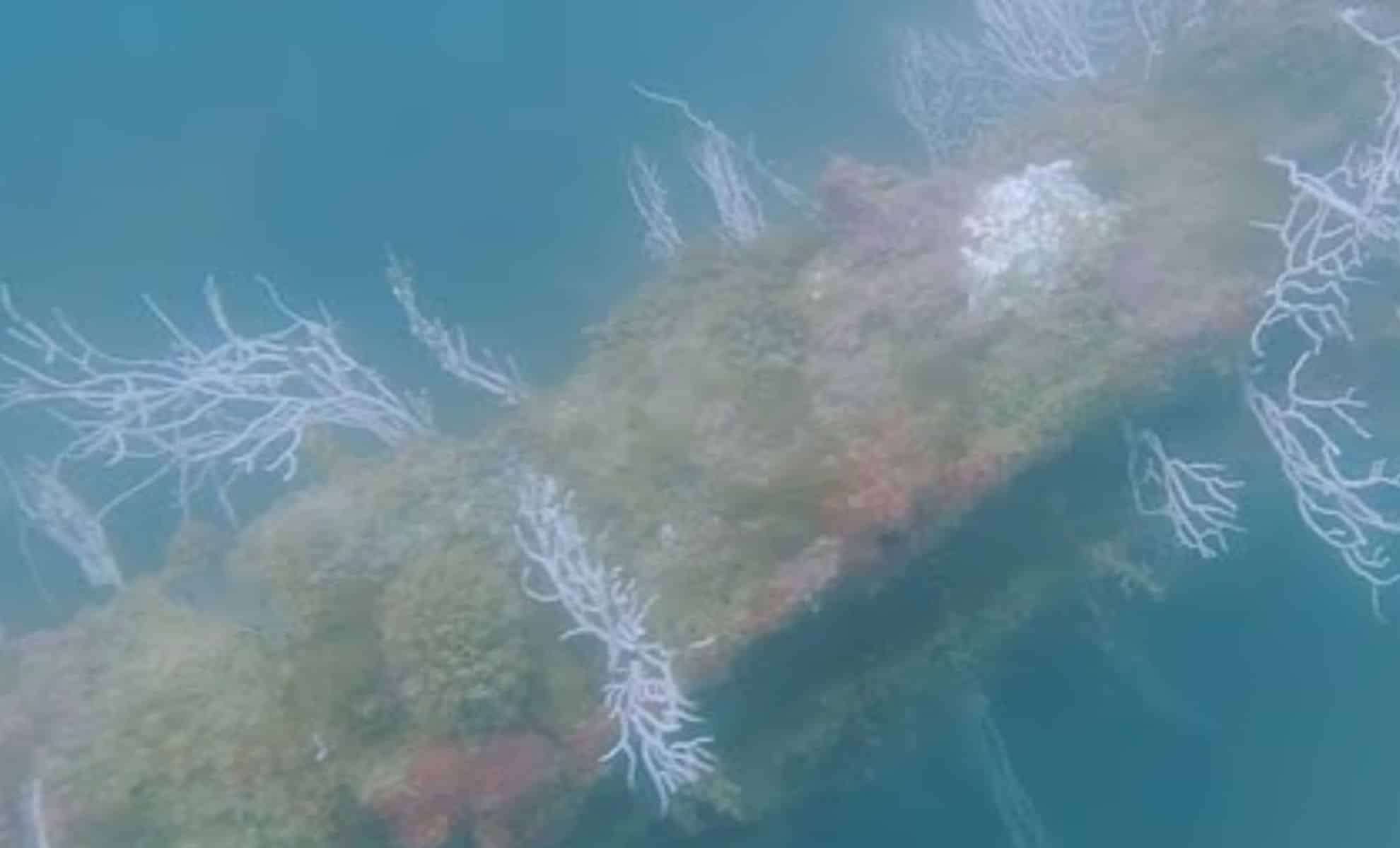
Archaeologist and filmmaker Michael Donnellan has renewed discussions about the fabled Atlantis by presenting compelling evidence that the remnants of this ancient civilization might be located just two miles off Cádiz, Spain—the continent’s oldest known city. Donnellan’s conclusions stem from eight years of dedicated research, which he shared at the recent Cosmic Summit in North Carolina, an event devoted to alternative historical findings.
Underwater Surveys Uncover Circular Structures and Waterways
Utilizing advanced sonar alongside LiDAR systems, Donnellan's team conducted detailed examinations of the underwater terrain near Andalusia. Their data exposed elongated, linear formations arranged into concentric circular barriers, each rising over 20 feet from the ocean floor. These monumental structures closely correspond with Plato’s 4th century BC descriptions of Atlantis found in the Timaeus and Critias dialogues.
The team observed that the outermost ring displayed severe damage, consistent with destruction by a massive tsunami originating from the sea. The second and third walls appeared fully displaced, with LiDAR revealing pronounced fractures. Interspersed between these walls were delicate, crafted canals, culminating in a central rectangular ruin Donnellan associates with the ancient temple of Poseidon.

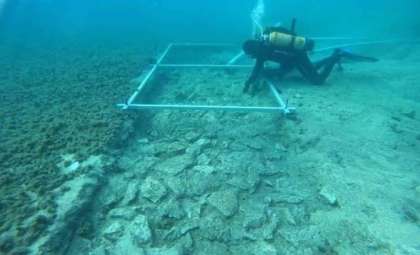
More than 20 diving expeditions uncovered displaced walls, carved passages, and scattered large stones—many uprooted from their original positions. Notably, the presence of enormous rectangular blocks, roughly half the size of a small automobile, resting on the seabed suggests an architectural style unfamiliar to the Roman or Venetian frameworks typically found in this region. Donnellan argues this points to a civilization far older than previously documented.
Could a Forgotten Civilization Have Existed Past Gibraltar?
The location aligns seamlessly with Plato’s geographical references, which placed Atlantis beyond the Pillars of Heracles, now known as the Strait of Gibraltar. According to these texts, the Atlanteans created a sophisticated urban environment comprised of ports, palaces, temples, and canals, before an overwhelming disaster obliterated the island “in a day and a night of earthquakes and floods.”
Donnellan states, “The evidence matches Plato’s account exactly. We know without doubt that Gades corresponds to present-day Cádiz.” His underwater imaging detects a central rectangular structure perfectly aligned to the cardinal directions, reflecting Plato’s mention of the acropolis as a “rectangular area, mostly straight and elongated, oriented north to south.”
Close to this acropolis, sonar scans uncovered what appear to be architectural remains featuring sharp right angles, flat planar surfaces, and consistent widths, indicative of cut stones laid methodically—strengthening the argument for a deliberately designed ancient city.
Dimensions and Historical Context Correspond with Ancient Texts
The ancient accounts convey that Atlantis spanned approximately 3,000 by 2,000 stadia, equating to about 341 by 227 miles—roughly the size of the US state of Nevada. Donnellan has explored only around 25 percent of the proposed site, yet he asserts the area measured thus far corresponds well with these ancient dimensions. Despite skepticism from mainstream academics who often interpret Atlantis as a myth, Donnellan’s work invites a reconsideration of this stance.
Plato described the destruction of Atlantis as sudden and catastrophic. Donnellan proposes that this event may be linked to the Younger Dryas, a disputed period marking rapid climate shifts and possible widespread upheaval around 11,600 BC—coincidentally aligning with Plato’s timeline for Atlantis’s demise.
An Entry Point into a Vast Ancient Atlantic Civilization?
Though further validation is necessary, Donnellan’s discovery sheds new light on one of history’s most captivating enigmas. He describes the submerged site as a fragment of an expansive “great ancient Atlantic civilization,” a concept that might eventually encourage wider acceptance of the Atlantis narrative. “This discovery could help people gradually take the idea of Atlantis more seriously,” he remarked.
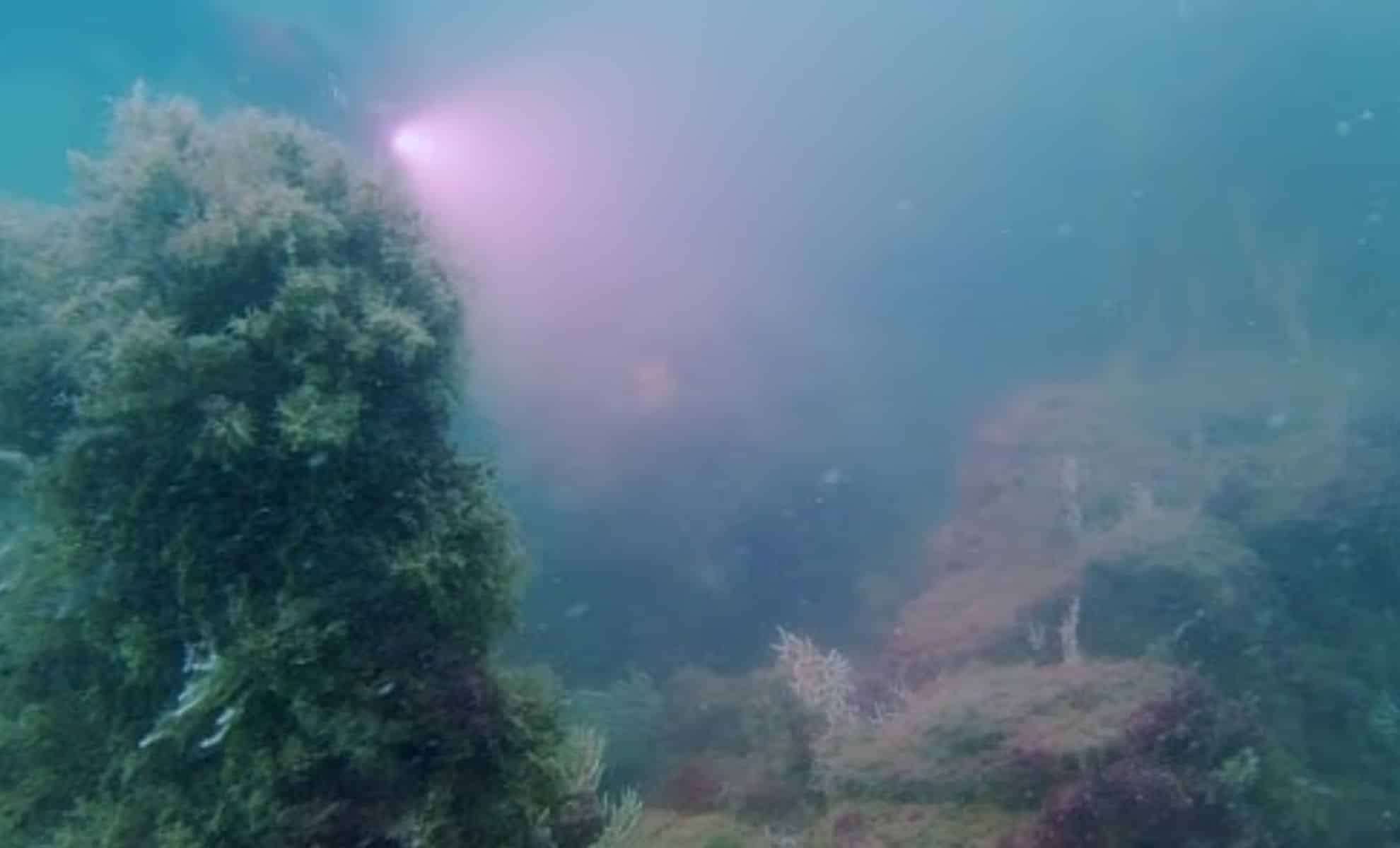
Documentary footage from Donnellan’s forthcoming release shows divers navigating murky underwater terrain and encountering sunken walls firsthand. Their exploration has revealed numerous artifacts, supporting the vision of an ancient urban center hidden beneath the southern Spanish waters, potentially lost until now.
- Categories:
- News






0 comments
Sign in to Comment