
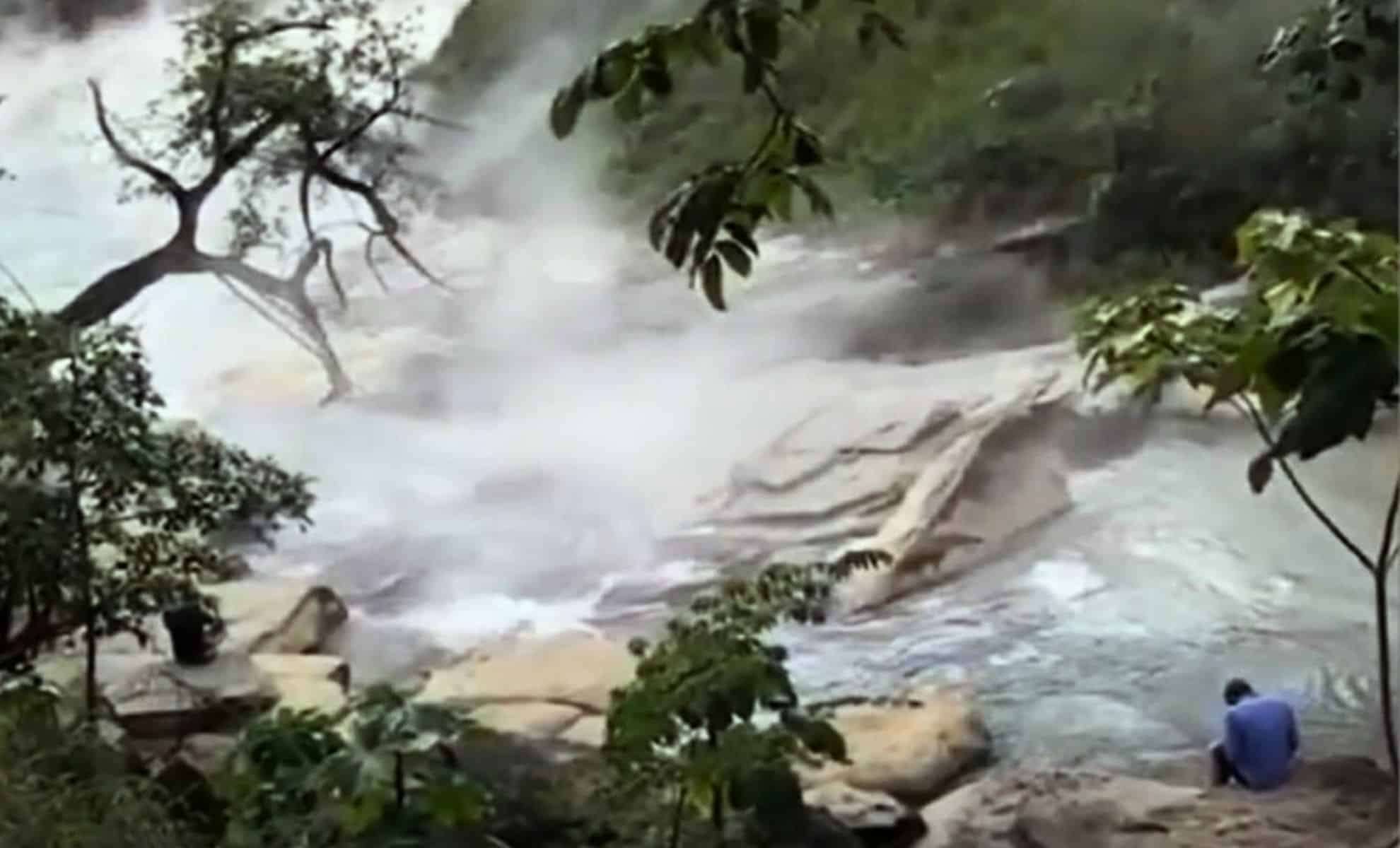
Deep within the Peruvian Amazon, a remarkable river defies conventional scientific understanding by heating to temperatures near 100°C (212°F), sufficient to sear small animals alive. Locally known as Shanay-Timpishka, or “boiled with the sun’s heat,” this extraordinary waterway has puzzled researchers ever since geothermal expert Andrés Ruzo introduced it to the scientific community in his 2016 book The Boiling River.
Ruzo, educated at Southern Methodist University, discovered the river after hearing tales from his Peruvian grandfather. Unlike typical geothermal rivers found near tectonic activity, like those in Yellowstone National Park or Iceland, this river lies more than 700 kilometers away from any volcanic activity. Its remote position challenges existing theories about geothermal phenomena, establishing the Shanay-Timpishka as a compelling natural mystery.
Understanding the Source of Extreme Heat
Recorded temperatures along the river fluctuate between 80°C and 95°C, sometimes reaching a full boil. The water is inhospitable to living creatures, delivering immediate and fatal thermal injuries. As Ruzo shared with The Sun, “Touch the water, and you risk third-degree burns within moments.”

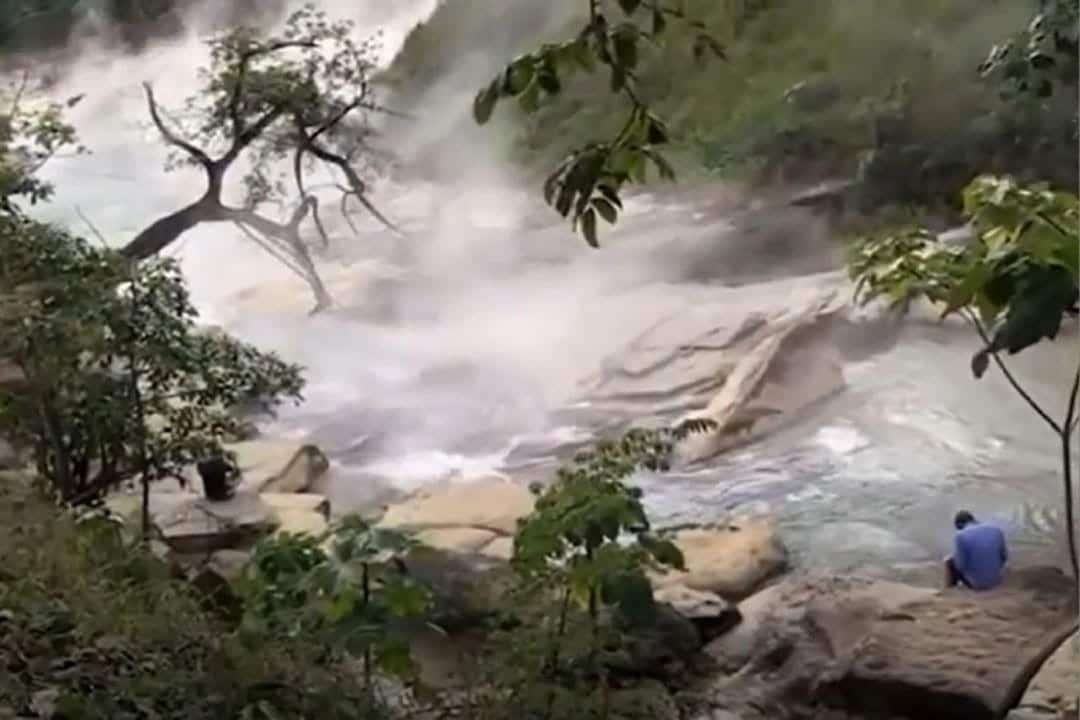
This intense heat arises from deep hydrothermal processes. Rainwater infiltrates the Earth’s crust through geological faults, descending to depths where geothermal heat increases significantly. The heated water then quickly resurfaces as a scalding river, independent of any volcanic source.
A 2022 expedition led by Riley Fortier, a PhD candidate at the University of Miami, confirmed this mechanism. By deploying ground sensors and infrared cameras, Fortier’s team noted a strong link between the absence of plant life near the hottest areas and elevated soil and surface temperatures, indicating a persistent underground heat source rather than atmospheric warming.
A Lethal Environment for Wildlife
The extreme temperatures not only interest scientists but also create a deadly hazard for animals in the vicinity. Fatal encounters documented by researchers reveal a rapid and gruesome demise. Ruzo described, “The eyes cloud over with a milky white shade almost immediately. Animals struggle, but they are cooked from the outside inward as the hot water invades their bodies.”
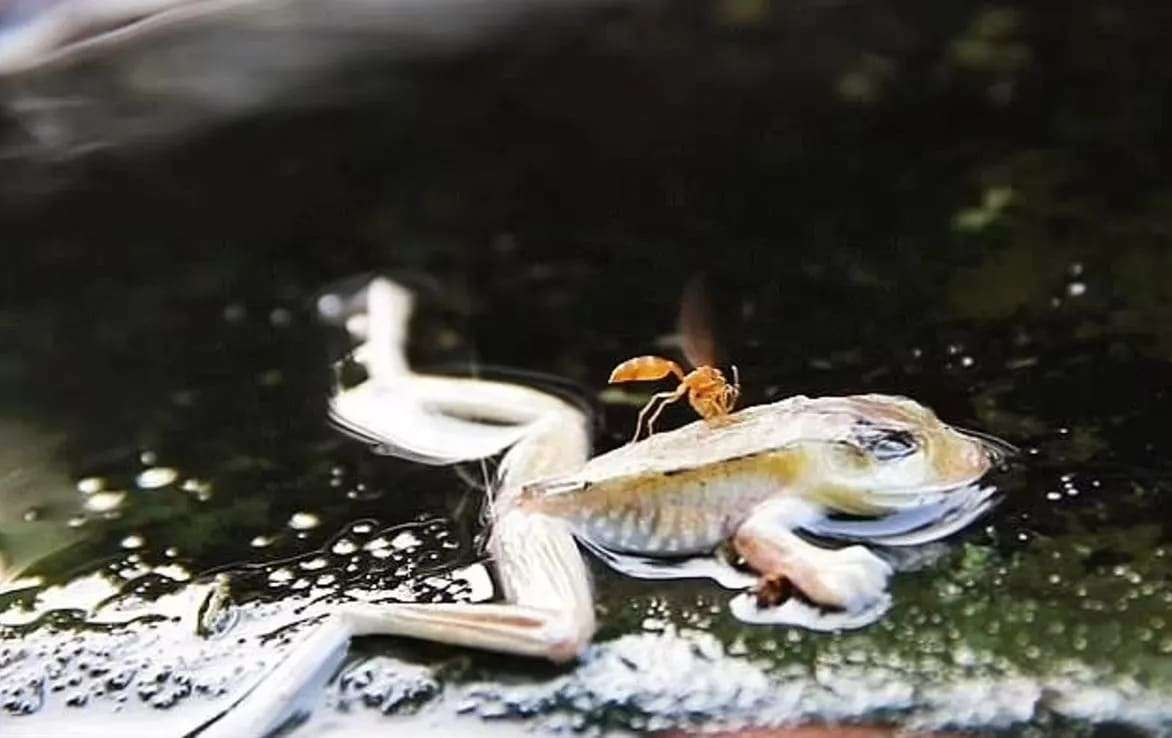
This lethal effect extends beyond mammals and reptiles. Fish and other aquatic life have vanished from parts of the river, unable to withstand the searing temperatures. Some stretches reveal barren landscapes—steaming soil, fragmented earth, and dead trees—painting a chilling portrait of warming-driven habitat loss on a microscopic scale.
An Unintentional Model for Climate Change Effects
Researchers investigating climate change impacts on tropical forests see the Shanay-Timpishka region as a unique natural laboratory. Fortier noted the surrounding forest appeared “more brittle, shrubby, and clearly under stress,” with diminished biodiversity and lower retained moisture. “The dry, crackling leaf litter isn’t what you expect from a rainforest environment.”
Thanks to these unusual circumstances, scientists consider the area a living proxy for the potential future of the Amazon under global warming. This corresponds with results from studies published in Nature Climate Change, which warn about drastic losses of tree density and wildlife if temperatures climb above 2°C.
Thus, the boiling river transcends mere geological curiosity—serving as an urgent environmental signal, revealing possible dire consequences awaiting the world’s largest tropical rainforest.








0 comments
Sign in to Comment