
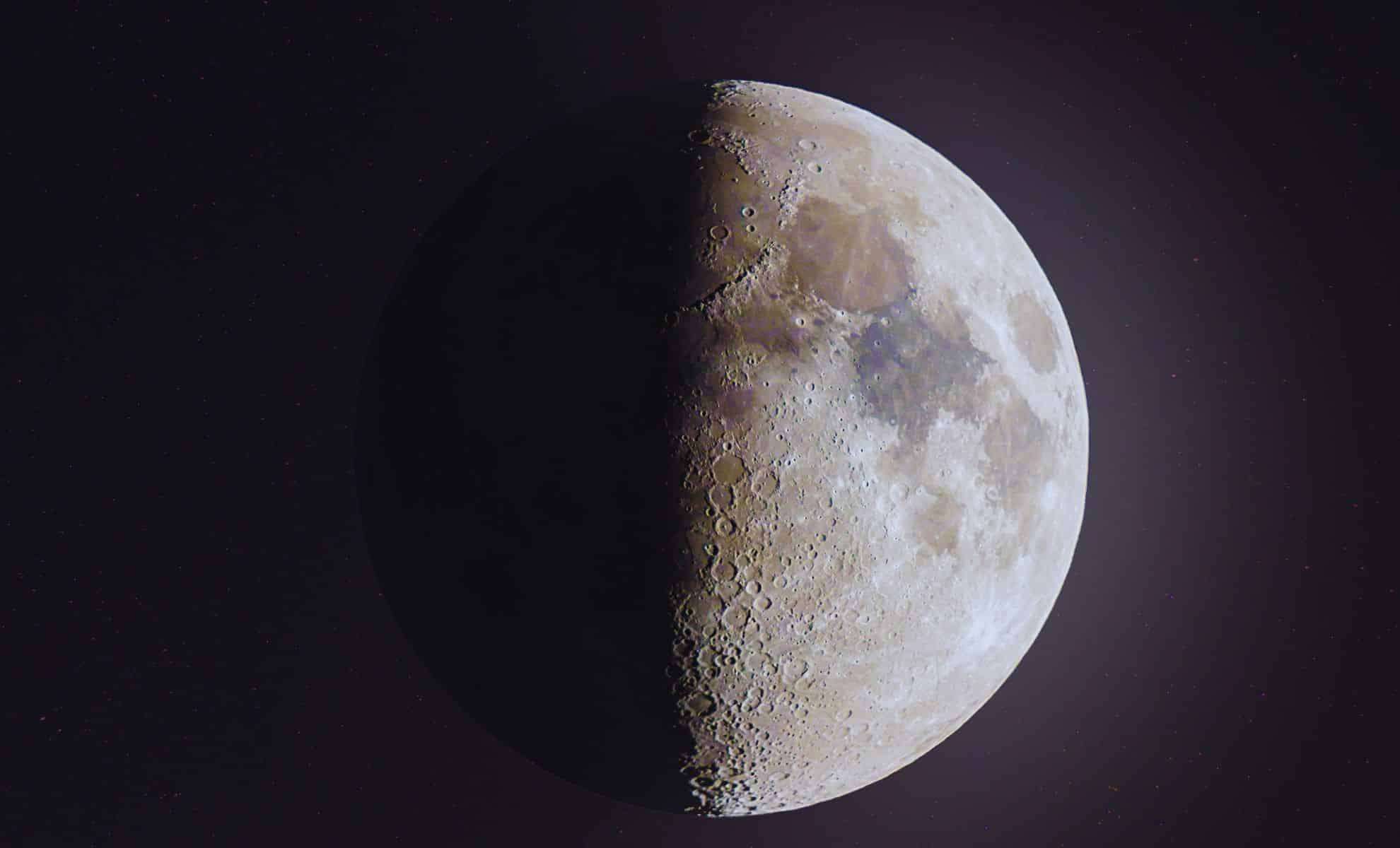
Gazing up at the Moon, many of us feel a sense of familiarity with its steady glow. Yet, despite its constant presence, the Moon continues to conceal fascinating secrets, particularly regarding its two distinct hemispheres—the side we always see, known as the near side, and the far side, which remained largely unexplored until recent decades. Recent findings, featured in Nature Geoscience, highlight the striking contrasts between these lunar realms, offering insights that challenge previous assumptions.
Thanks to valuable new lunar samples collected from the far side, researchers are unveiling a cooler and more enigmatic lunar interior than expected. This breakthrough allows an unprecedented glimpse below the moon’s surface layers.
Chang’e 6 Mission Opens New Doors in Lunar Study
In June 2024, China’s Chang’e 6 spacecraft achieved a historic milestone by bringing back the first physical specimens from the far side of the Moon. Extracted from the South Pole-Aitken (SPA) basin, one of the solar system’s largest and oldest impact craters, these samples date back approximately 2.8 billion years and offer valuable clues about the Moon’s inner makeup.

Upon examination, scientists discovered a remarkable thermal disparity: the far side samples originated at roughly 2,012°F (1,100°C), about 180°F (100°C) cooler than lunar rocks from the near side, which Apollo missions previously collected.
“The near side and far side of the Moon are very different at the surface and potentially in the interior. It is one of the great mysteries of the Moon,” said Yang Li, co-author of the study.
This discovery marks a groundbreaking step, indicating that temperature contrasts run deeper than just the surface and may extend into the Moon’s internal structure.
Surface Characteristics Mirror the Moon’s Internal Diversity
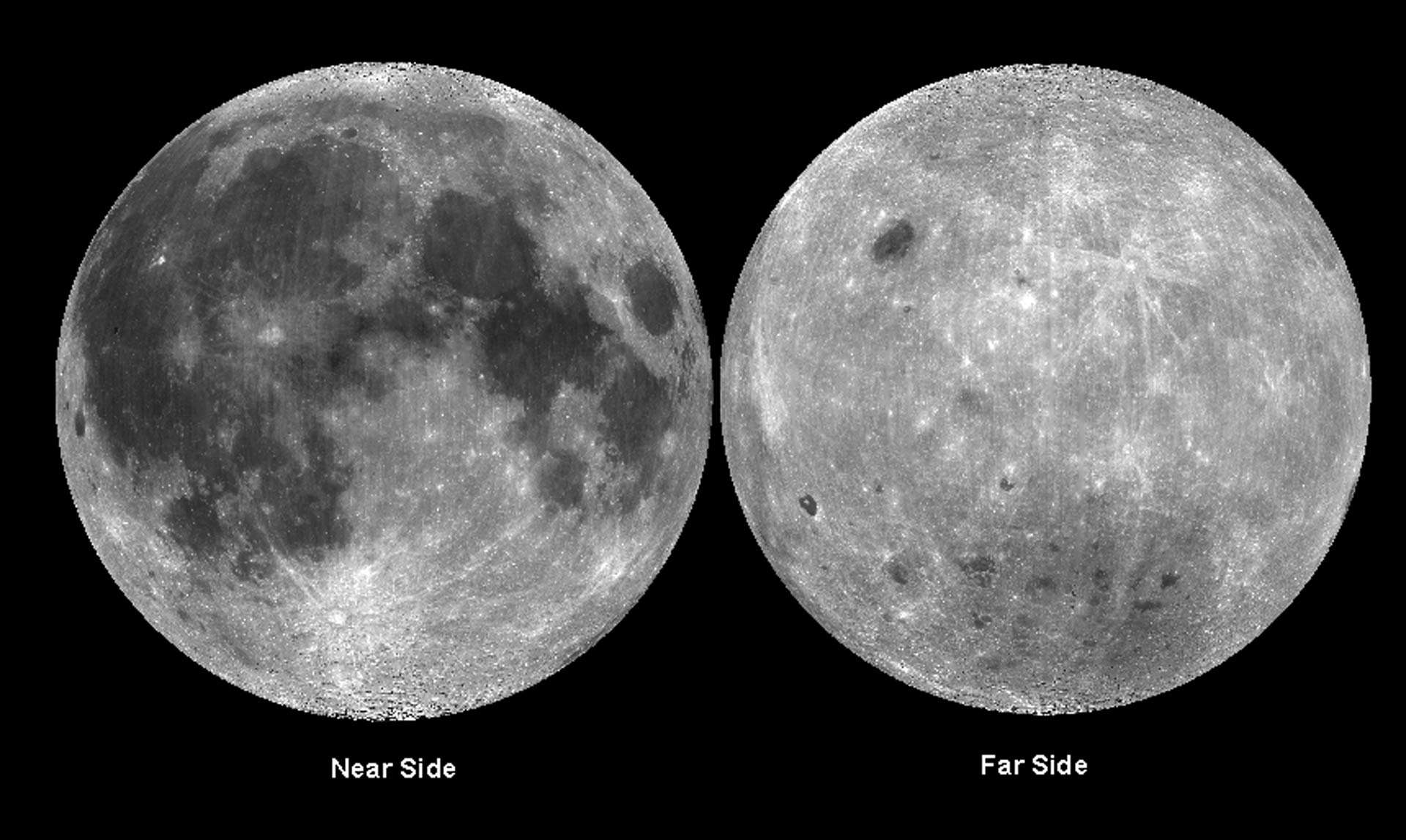
The distinction between the lunar near and far sides is pronounced at the surface. The near side features expansive dark plains called maria, formed by ancient lava flows, whereas the far side is heavily cratered with a thicker crust and far fewer maria. For years, these disparities sparked curiosity, but the recent research suggests they reflect deeper internal differences.
It appears that the far side contains lower concentrations of heat-producing elements like uranium, thorium, and potassium. Collectively known as KREEP, these elements generate heat through radioactive decay, and their uneven distribution—more abundant on the near side—may explain why it displays higher thermal activity and volcanic history.
The Chang’e 6 sample data corroborates this idea, suggesting the cooler interior of the far side could stem from an ancient redistribution of these elements, possibly triggered by an asteroid collision or an encounter with a Moon-sized celestial body in the Moon’s deep past.
Implications for Future Lunar Missions
Decoding the thermal and geological contrasts between the Moon’s two hemispheres is critical for defining priorities in upcoming lunar explorations. The far side, with its robust crust and unique composition, could shed light on the Moon’s origin story and early evolution, as well as broader solar system history.
While the study didn’t specify current internal temperature measurements, the ongoing thermal divide likely endured for billions of years, shaping lunar surface conditions throughout time. As exploration progresses, ongoing research promises to illuminate more astonishing lunar revelations.
- Categories:
- News








0 comments
Sign in to Comment