
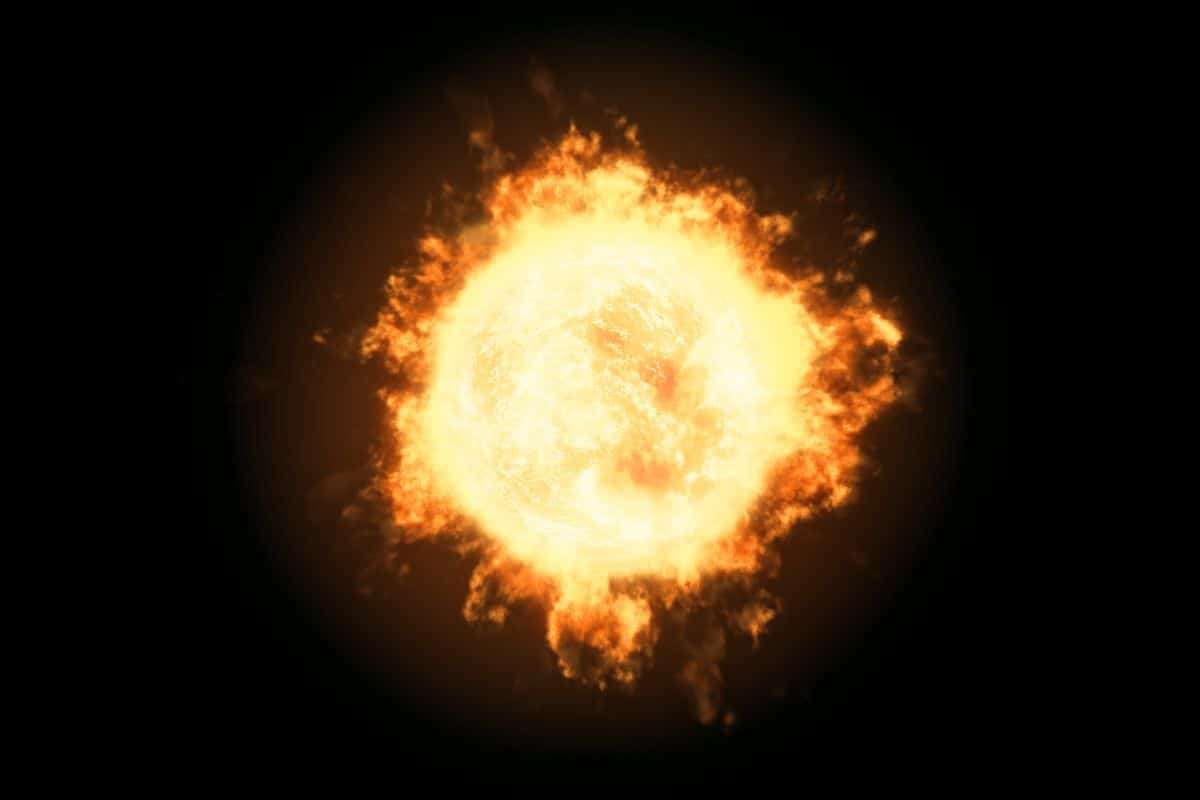
For years, earthquakes have been notoriously difficult to forecast. However, recent findings from the University of Tsukuba in Japan indicate that variations in solar activity might influence the timing of seismic events. This study uncovers a connection between sunspot cycles and the frequency of earthquakes, shedding light on how solar dynamics could impact Earth's geology.
The Solar Influence on Earth's Seismic Behavior
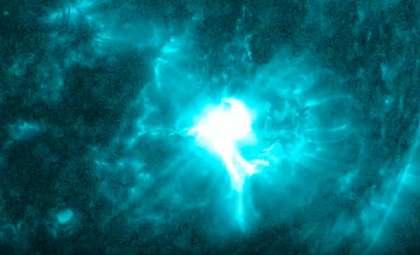
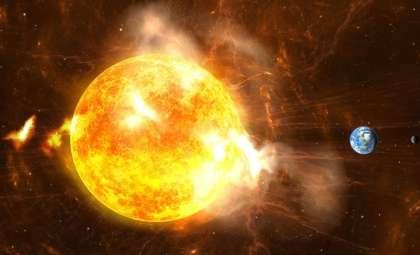
The sun undergoes an 11-year cycle characterized by fluctuating sunspot numbers, powerful solar flares, and changes in its magnetic environment. At the peak of this cycle, during the solar maximum, heightened solar radiation affects our planet's atmosphere and climate systems.
Emerging evidence now suggests that these solar-driven effects reach beneath the surface as well. Changes in temperature caused by solar radiation can modify the characteristics of subterranean rocks and alter groundwater movements, potentially weakening Earth's crust.
In zones under considerable tectonic stress, these solar-induced variations might act as catalysts for earthquakes.

Investigating The Solar-Earthquake Link
The proposition that the sun’s activity might sway earthquake occurrences was initially presented in a 2022 publication by Matheus Henrique Junqueira Saldanha and Yoshito Hirata from the University of Tsukuba. Although they found a statistical association between the timing of earthquakes and sunspot activity, the exact mechanisms driving this connection were still uncertain.
To delve deeper, the team constructed a computational framework integrating historical sunspot observations, surface temperature datasets, and seismic event records.
Results pointed to increased surface temperatures—propelled by solar radiation—as a factor elevating the likelihood of shallow earthquakes occurring near the Earth’s surface.
Mechanisms Behind Solar Heat Affecting Seismic Events
Earth’s crust responds strongly to shifts in thermal and pressure conditions. The expansion and contraction caused by elevated solar heat can gradually weaken rock formations, predisposing them to breaks.
Furthermore, solar cycles influence rainfall and snowmelt patterns, which can redistribute stresses along fault zones, subtly raising the chance of tremors.
While tectonic movements remain the dominant earthquake drivers, researchers propose that these solar-induced factors may trigger earthquakes in areas where geological tension is already present.
Advancing Earthquake Forecasting Techniques
Predicting earthquakes accurately continues to challenge geoscientists. Although seismologists can identify fault zones prone to earthquakes, determining the precise timing remains elusive due to the complexity of contributing elements.
Incorporating variables linked to solar activity and temperature dynamics into seismic risk models could enhance forecasting precision.
This approach holds particular promise for regions experiencing frequent shallow seismic events, which seem most sensitive to these environmental changes.
Nevertheless, experts caution that solar influences represent only one aspect of earthquake genesis, principally controlled by tectonic forces. Integrating these external effects may refine rather than revolutionize predictive capabilities.
Exploring The Intersection of Solar Physics and Seismology
The study reveals the intricate interplay between our planet and the sun, emphasizing that even subtle changes in solar output can impact geological phenomena. While further investigation is necessary to complete the picture, this research introduces a new paradigm combining space weather and earthquake science.








0 comments
Sign in to Comment