
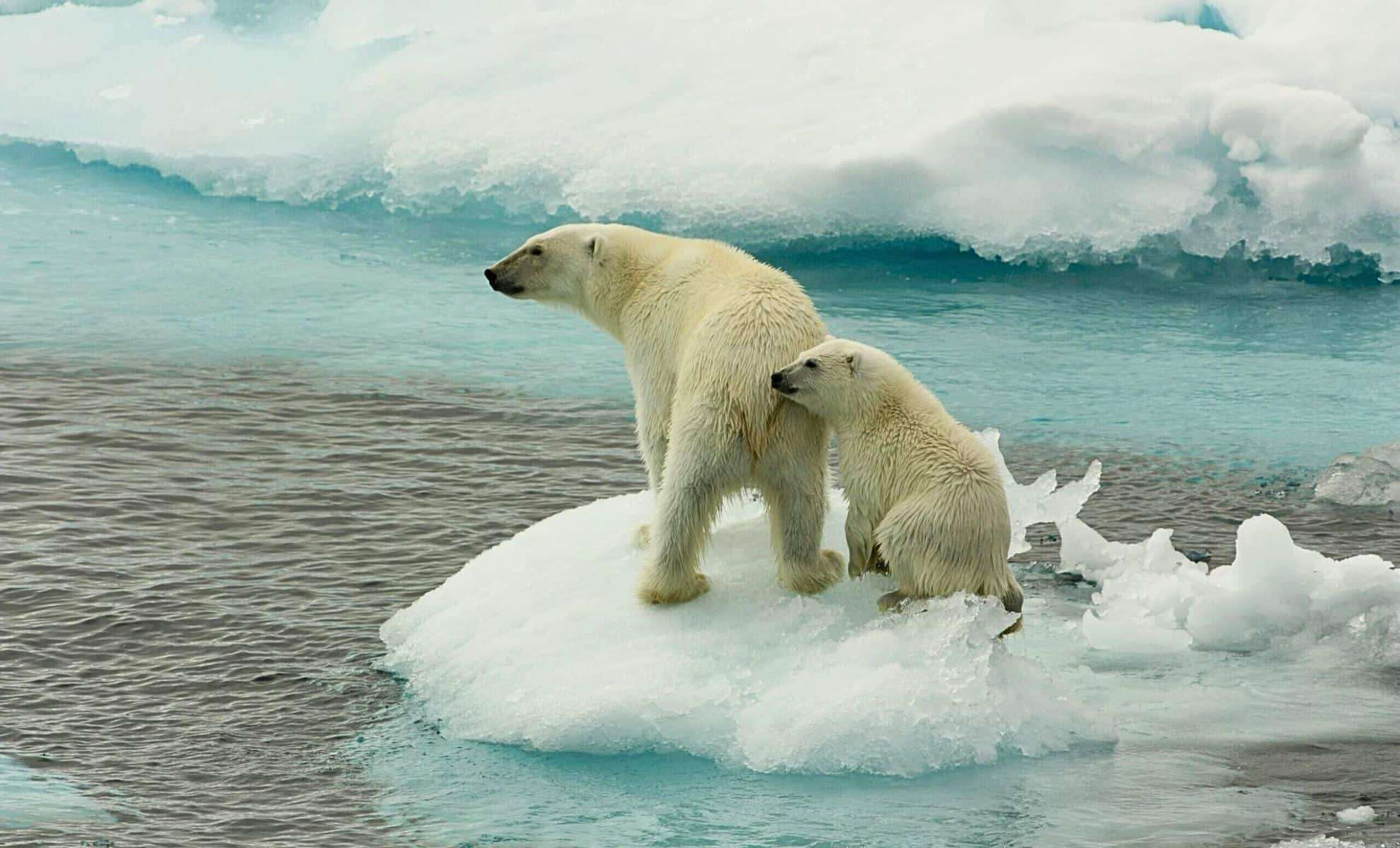
Researchers at the University of Toronto Scarborough have identified a direct connection between climate-driven sea ice reduction and the dramatic decline in polar bear populations within Western Hudson Bay. Their findings clarify how shortened access to hunting grounds on sea ice is causing critical energy shortages that impair reproduction and threaten the survival of this iconic Arctic predator.
Loss of Sea Ice Shrinks Both Habitat and Numbers
Polar bears depend on sea ice as a hunting platform to prey on seals, their main food source. Yet, rising global temperatures have accelerated the melting of Arctic sea ice. In the extensively studied Western Hudson Bay population, this habitat loss corresponds with nearly a 50% drop in population from 1979 to 2021.
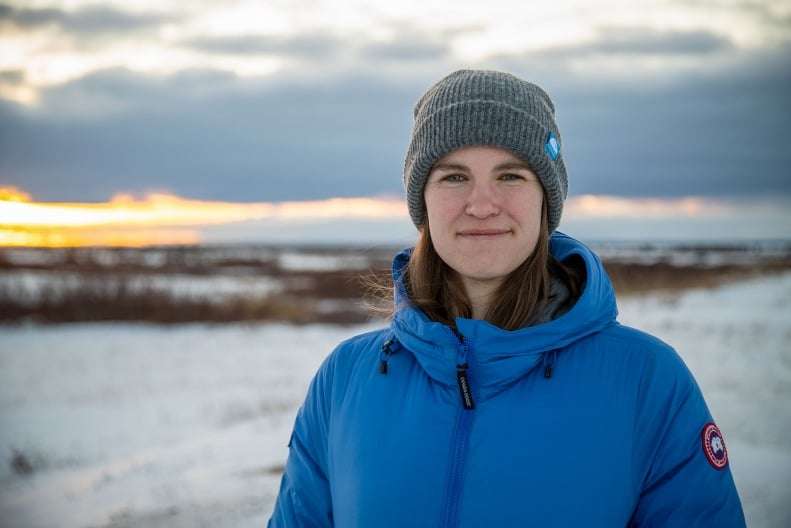
Published in Science, the study attributes this decline to the bears’ reduced ability to fulfill their energy requirements as hunting opportunities diminish. “As sea ice diminishes, bears have less time to hunt seals and endure longer fasting periods on land,” says Louise Archer, the study’s lead author and a postdoctoral researcher at U of T Scarborough. “This imbalance impacts their reproductive success, cub survival, and drives population decreases.”

Tracking Energy Deficits Through a Bio-Energetic Framework
The team developed a pioneering bio-energetic model to monitor energy flows in individual polar bears from cubhood through adulthood. By aligning model predictions with over 40 years of field data, the results show a striking agreement between predicted and actual population trends.
“Our model goes beyond linking ice decline to population drops — it elucidates the exact biological pathways,” explains co-author Péter Molnár, associate professor at U of T Scarborough. “The energy calculations match the real-world observations precisely.”
The model highlights how increased fasting periods lead bears to deplete fat reserves, leaving inadequate energy for growth, reproduction, and caring for cubs. This energy shortage results in smaller adults, fewer offspring, and declining survival rates.
Young Bears Hit Hardest by Energy Shortfalls
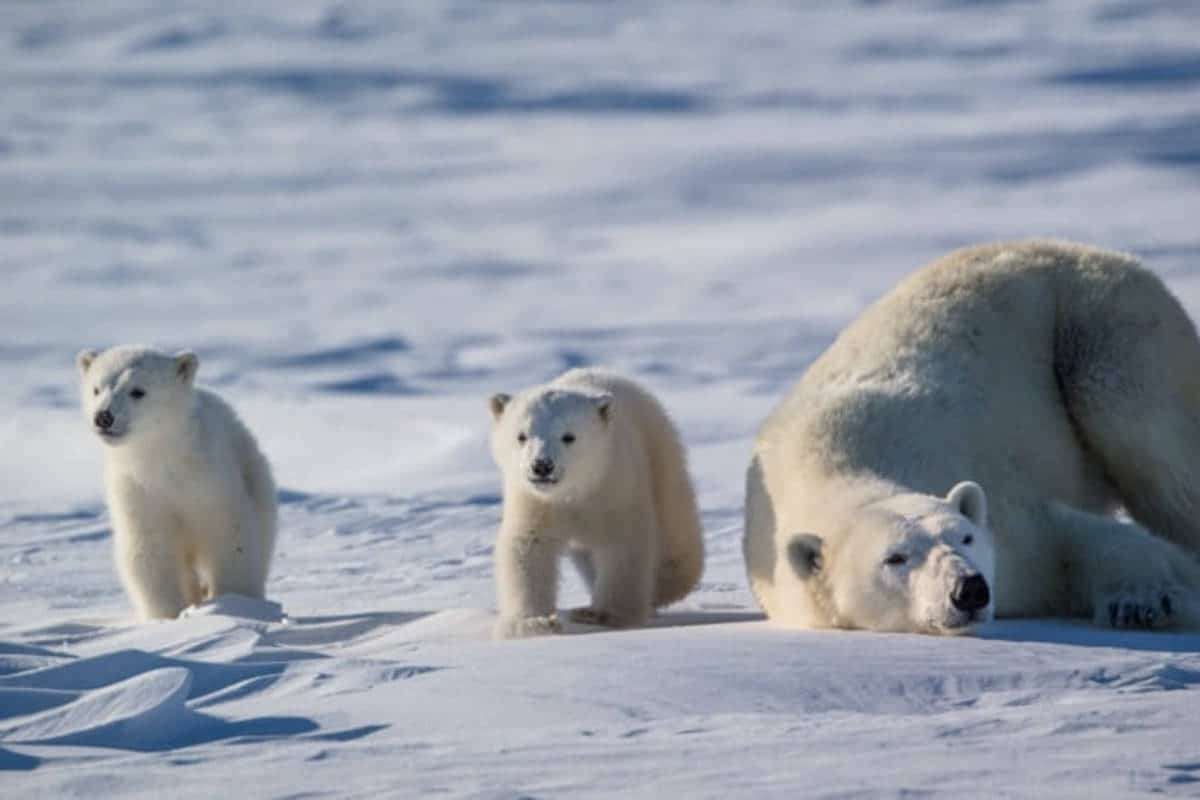
Cub survival suffers significantly under these stressful conditions. Data shows that female adult mass has fallen by 39 kg (86 lbs) and one-year-old cubs are 26 kg (57 lbs) lighter over nearly four decades. Nutritionally stressed mothers produce less milk, threatening cub development during long fasting spells. Additionally, litter sizes have shrunk by 11%, and cubs remain with their mothers longer as they struggle to gain independence.
“Cub mortality directly impacts overall population viability,” Archer stresses. “Without enough surviving cubs, the species cannot sustain its numbers.”
Implications Extend to Polar Bears Across the Arctic
The Western Hudson Bay population serves as an indicator for other polar bear groups globally. As one of the southernmost populations, its extensive monitoring provides a predictive framework for how others may fare under warming trends. With the Arctic warming at approximately four times the global average, researchers warn that similar population declines could already be underway or imminent in other regions.
“This isn’t solely about Western Hudson Bay — it’s a preview of the potential future for polar bears everywhere,” Molnár explains. “Projected sea ice losses suggest this pattern could become widespread without intervention.”
Urgency for Climate Action to Preserve Species
The findings highlight the critical need to tackle greenhouse gas emissions worldwide. Protecting polar bears means safeguarding their shrinking Arctic habitat, but the fundamental cause stems from human-driven emissions warming the Arctic. Without drastic carbon reduction measures, the survival of polar bears and countless other species hangs in the balance.
“Our work offers a detailed understanding of climate change’s effect on wildlife,” Archer notes. “But more importantly, it’s a call to act — we can forecast these consequences, but now must find the resolve to prevent them.”
A Powerful Message About Ecosystem Health
The alarming status of Western Hudson Bay polar bears goes beyond loss of a single species. It reveals the fragile interconnections within Arctic ecosystems and the far-reaching impacts of climate change. As apex predators, polar bears are crucial for ecosystem balance, and their decline signals broader disruptions that could cascade through the environment.
By uncovering the biological mechanisms behind declining polar bear numbers, this research stresses the imperative of reducing carbon emissions immediately. For both polar bears and humanity, the window to act is rapidly closing.
Source: Materials provided by University of Toronto. Original written by Don Campbell. Note: Content may be edited for style and length.
- Categories:
- Science











0 comments
Sign in to Comment