

As greenhouse gases continue to build up in Earth's atmosphere, their impact extends beyond climate change, affecting conditions in outer space as well.
Recent findings from aerospace researchers at MIT reveal a concerning link between increased carbon emissions and the rise of orbital debris, posing serious risks for satellite operations ahead.
Decreasing Space: How Greenhouse Gases Affect the Upper Atmosphere
The thermosphere, home to satellites such as the International Space Station, is undergoing substantial changes driven by elevated concentrations of greenhouse gases, notably carbon dioxide.
These gases cause the thermosphere to cool and shrink, leading to lower air density. This cooling modifies the environment of low-Earth orbit (LEO), directly influencing satellite trajectories.

Reduced atmospheric drag results in space debris remaining in orbit for a longer time, amplifying collision risks. This issue becomes more critical due to the rapid increase in satellite constellations such as SpaceX’s Starlink, composed of thousands of satellites.
The Perils of Crowded Orbits
The changing conditions in the upper atmosphere threaten the viability of maintaining satellites safely in LEO. MIT’s research predicts that if greenhouse gas emissions follow the current trajectory, the usable satellite space could shrink by up to 66% by the year 2100.
Today, over 10,000 satellites orbit Earth, with numbers rising sharply. The past half-decade has seen more launches than in all previous decades combined, forcing satellite operators to perform constant collision-avoidance maneuvers to protect their assets.
Climate Impact on How We Use Space
Human emissions, primarily from fossil fuels on Earth, are impacting future satellite missions.
As MIT’s Richard Linares explains, “Our greenhouse gas emissions over the last century are shaping satellite operations for the next hundred years.”
With the atmospheric equilibrium disrupted by climate change and the accelerating number of satellites, the risk to orbital sustainability grows.
Should these trends persist, the available space for satellites in low-Earth orbit could be severely limited by 2100.
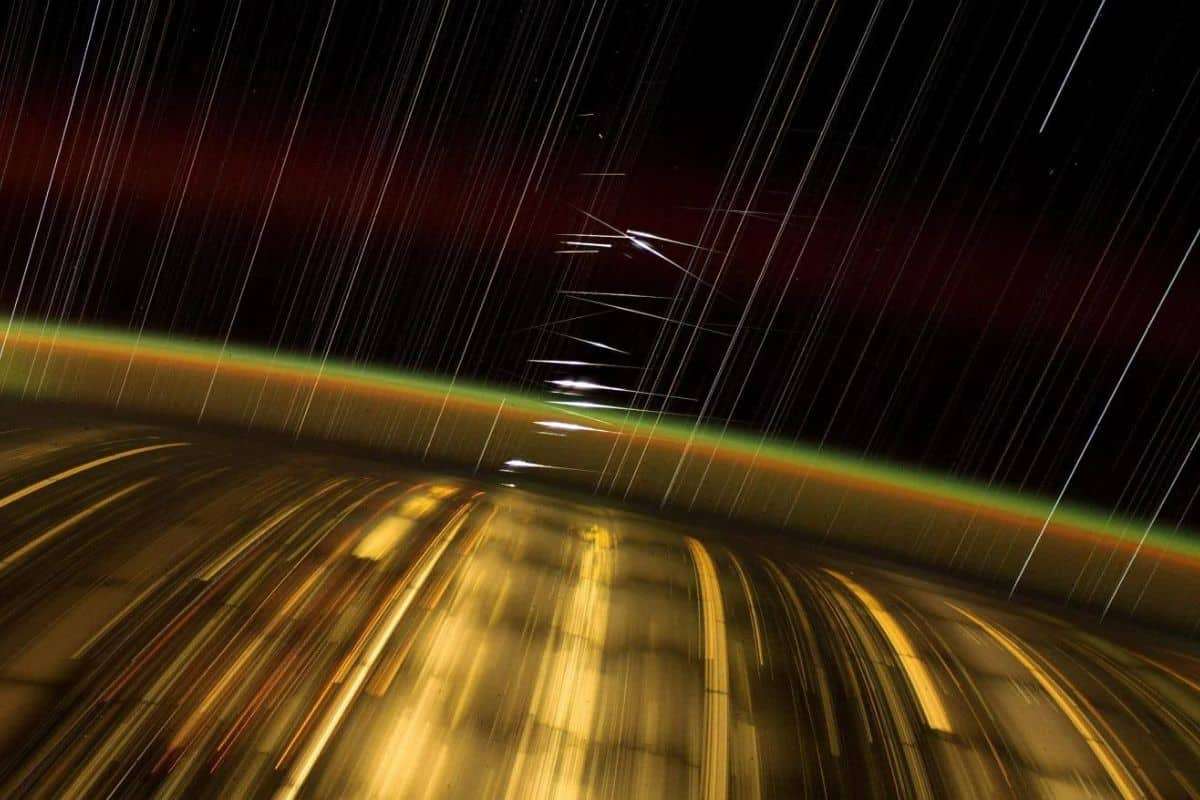
The Escalating Danger of Collision Cascades
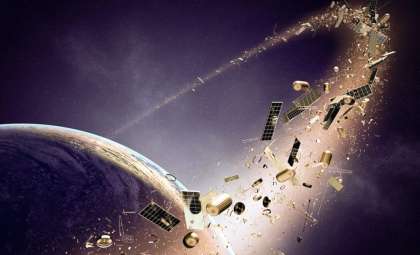
MIT’s study also highlights a potential cascade effect, a "runaway instability," where even minor increases in satellite numbers might trigger a chain reaction of collisions. This would create vast clouds of debris, rendering parts of low-Earth orbit unusable for satellites.
This scenario not only threatens the feasibility of future space endeavors but also risks severely restricting access to critical orbital regions.
“The sky is essentially deteriorating — albeit over decades,” remarks William Parker, a principal investigator of the study. “This decay is evident in the changing atmospheric drag affecting our satellites.”
- Categories:
- Space







0 comments
Sign in to Comment